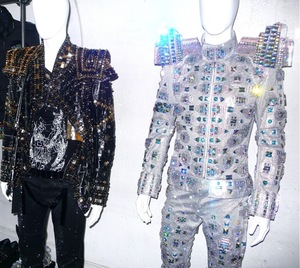
マイケルの裁判についてのアフロディーテ・ジョーンズへのインタビュー
Fox Newsの記者でベストセラーの現実的な犯罪本の著者であるアフロディーテ・ジョーンズは、2005年のマイケル・ジャクソンの裁判をFOXで取材した。
他の多くの記者やメディア関係者と同様に、最初は彼女もマイケルが有罪であると信じていた。しかし、法廷に出席し、公聴会に同席した後、彼女は自分と同僚が誤った方向に導かれていたこと、そしてマイケルが間違いなく無実であることに気づきました。
マイケルが無罪と宣言された後、彼女は真実を調査できるよう裁判官に事件ファイルと法廷文書を提供するよう求めた。彼女はマイケルについての真実を確実に語ろうと、研究と研究の結果を「マイケル・ジャクソンの陰謀」というタイトルの本で2007年に出版した。
今年4月、彼女はこの問題に関するドキュメンタリーをテレビで放送する予定だ。以下は、reflectionsonthedance.com からのデボラ・キーオンとの独占インタビューです。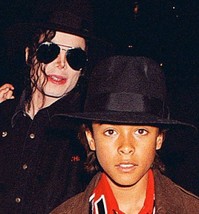

 D.K: Many people said that enduring the accusations and the trial was very hard for him. When I saw the photos of his comings and goings to court during that period, it looked like the sparkle that had been in his eyes earlier had disappeared.
A.J: The trial was very difficult for him because he had to sit there and watch how people who had once helped him were saying those things about him. There were also people who said good things about him, but it wasn’t recorded. But in court, it was said.
He had different days, and the trial process was very long. I don’t know how someone can sit in court for five or six days and watch their life story parade in front of their eyes, and then endure hearing what those people say about them.
I could see the expressions on his face. He looked at people who were lying from the witness stand and he would just shake his head. It was as if he was saying, “You’re a liar,” but he never said it out loud. He was truly a classy person. He was truly articulate and eloquent. Very tasteful and dignified.
He always stood up when the jury entered.
He always clasped his hands together in a way that hands take on when someone is reading a prayer or praising someone. It was as if he was telling the media, “Please don’t hurt me.” His behavior was respectful toward everyone. I don’t think it was something he was told to do. Sometimes a defendant or a witness is told to have a certain behavior or wear certain clothes. But Michael wasn’t told anything like that. That was truly his own character.
D.K: Many people said that enduring the accusations and the trial was very hard for him. When I saw the photos of his comings and goings to court during that period, it looked like the sparkle that had been in his eyes earlier had disappeared.
A.J: The trial was very difficult for him because he had to sit there and watch how people who had once helped him were saying those things about him. There were also people who said good things about him, but it wasn’t recorded. But in court, it was said.
He had different days, and the trial process was very long. I don’t know how someone can sit in court for five or six days and watch their life story parade in front of their eyes, and then endure hearing what those people say about them.
I could see the expressions on his face. He looked at people who were lying from the witness stand and he would just shake his head. It was as if he was saying, “You’re a liar,” but he never said it out loud. He was truly a classy person. He was truly articulate and eloquent. Very tasteful and dignified.
He always stood up when the jury entered.
He always clasped his hands together in a way that hands take on when someone is reading a prayer or praising someone. It was as if he was telling the media, “Please don’t hurt me.” His behavior was respectful toward everyone. I don’t think it was something he was told to do. Sometimes a defendant or a witness is told to have a certain behavior or wear certain clothes. But Michael wasn’t told anything like that. That was truly his own character.
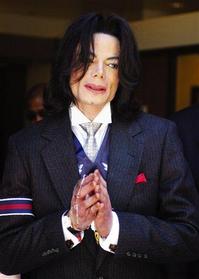


アフロディーテ・ジョーンズ
デボラ・キーオン:DK
アフロディーテ・ジョーンズ:A.JD.K: 2005年にFOXで裁判のニュースを報道していたとき、マイケルは有罪だと思いましたか?
A.J: はい。
D.K: 最初、あなたやメディアの同僚が彼が有罪だと思ったのはなぜですか?それは彼について言われていたことが原因でしょうか?
A.J: いや、いや。 2 つの問題が関係していました。
最初は、ジョーディ・チャンドラー(1993年の原告)との法廷外での和解であった。私の印象では、誰かが合意に達するためにこれほどの金額を支払うのであれば、そこには何かがあるに違いありません。私も他の人と話した人たちと同じ意見でした。私はアメリカ系アフリカ人の女性ジャーナリスト、報道関係者の女性を知っていましたが、彼女は当時は問題があったと思っていたが、今回の事件が真実だとは思っていなかったと言っていました。何とかマイケルを支えてくれたのは彼女だけだった。私は有罪を証明すること以外に何も求めていませんでした。理由は、ダイアン・ダイアモンドのようなストーリーテリングの才能のある人たちに影響を受けたからです。 1993年からそれまでの彼女の物語の中で、マイケルは腐敗した恐ろしい人物であり、ダイアンは自分自身を真実を明らかにする人物だと考えていました。ダイアン・ダイアモンドの後には、ダイアンの足跡をたどったナンシー・グレースが登場しました。私は非常に一方的でしたし、ほとんどのメディア関係者も同様だったと思います。そしてプロデューサーたちも同様だ――フォックスだけでなく、全米のすべてのプロデューサーたちだ。カナダのネットワークはもう少し穏健なものでした。しかし、ロンドンからフランス、特に米国に至るまで、私が話を聞いた人々は皆、マコーレー・カルキン(『ホーム・アローン』の俳優でマイケルの若い友人)が法廷で証言する日を待っていた。それは彼らのスキャンダルへの欲望を満たすだけでなく、彼らにとって刺激的でスリリングでもありました。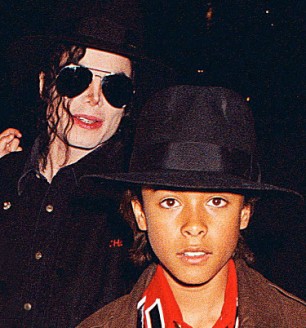
Michael with Jordan Chandler — Jordan’s father accused Michael in 1993
They wanted to hear what Michael was doing. They wanted to hear anything that seemed strange, stupid, or exciting. And in reality, they didn’t care about knowing the truth.
It was like that old saying: “Don’t bore me with the facts.” That mindset was dominant, and I think unfortunately that kind of atmosphere still exists in many media outlets. Because they want ratings. Newspapers are the same way. Headlines have to pull the audience in. They have to put whatever attracts people into their papers.
What grabbed people’s attention at that time was that they finally had Michael trapped. I was one of their buyers.
D.K: What made you change your thinking?
A.J: It was very strange. On the day the verdict was announced, I walked into court with the belief that he would be found guilty. When the verdict of “not guilty” was read, it was like someone poured ice water over my face. Me and the rest of the media people were all shocked.
Everyone’s mouth was left open. Fans were crying with joy, but they weren’t allowed to say anything or make any gestures.
In that particular moment, I remembered the story of “The Emperor’s New Clothes,” and I realized that prosecutor Tom Sneddon was exactly that emperor. All he wanted was to smear マイケル・ジャクソン. And I remembered that one of the investigators on the prosecutor’s team had told me that even if they didn’t win, they had managed to prove something. In other words, they wanted to stain Michael’s credibility and reputation.
When I heard that, I didn’t understand their purpose. But when I heard those “not guilty” verdicts, everything became clear to me. The puzzle pieces fit together. I was struck.
I recognized the man because I had been sitting with the jury for months, and I knew they were ordinary, average people. They were not stupid. They were a very good jury. Even the judge had left the door open for them to deliver a guilty verdict at least in one case by approving a minor charge—“giving alcohol to a minor.” But they didn’t do that.
That’s when I remembered that I had asked them what their agenda was, and they told me that they would win anyway. And then I thought to myself: what did they mean by that?

The Arvizo family
D.K: Yes, that’s a strange statement.
A.J: And then I realized that the media only wanted to stain his reputation. And they succeeded.
D.K: What was their motivation for tarnishing his reputation?
A.J: Because in their minds, he was guilty. In their minds, he had molested a boy in 1993 and then fled the scene. Even if they couldn’t prove it, they wanted to drag him through the mud.
Tom Sneddon passed a law for the state of California—and in fact for マイケル・ジャクソン—so that Sneddon could attach previous cases along with the new charges, and usually such permission is not granted in court.
You’re not allowed to mix past cases with today’s proceedings. Especially cases where guilt hasn’t been proven. An allegation was made and an agreement was reached. But Sneddon passed a law that allowed him to revive old cases in the current trial. He was that serious.
When I realized this, that was when I decided to write my book. Because I understood that he had even gone as far as to travel to Australia, to go around the world to find someone who had been abused and victimized by Michael. This case was a mission for him. It wasn’t just revenge—it was truly a mission.
This really shocked me.
He didn’t spend as much energy trying to catch serial killers as he did trying to destroy マイケル・ジャクソン. He had an odd desire to ruin マイケル・ジャクソン.
The prosecutor was also, in a way, complicit with some media outlets.
I won’t name names. But people were allowed to film from that location during the police raid on Neverland (Michael’s ranch) and the search of his home—and that couldn’t have happened unless the prosecutor’s office had given permission. Long before the trial was formed, there was some kind of information exchange between the prosecutor and parts of the media, and that fueled the fire. Because when the media heard the story directly from the prosecutor, they thought they already knew the truth.
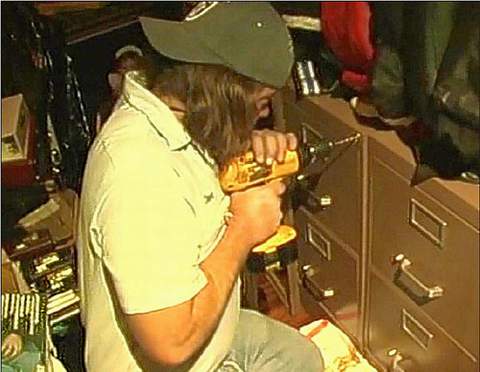
Photo of the police raid on Neverland
D.K: During the court sessions, was the atmosphere the same, or did it change every day?
A.J: We weren’t allowed to be swept up by emotions in court. Everything was extremely serious and formal. I mean, マイケル・ジャクソン was on the edge of life and death there. The judge wasn’t lenient.
But what I noticed was that people talked about マイケル・ジャクソン—whether he wore a wig, whether he was addicted, and the negative things the media said that had pushed Michael close to destruction.
D.K: On the day the verdict was read, you said you were shocked. But did you notice Michael’s reaction—or his family’s reaction—or the reactions of others in the courtroom to this verdict?
A.J: Michael was very grateful. He thanked the jury under his breath. In court, some people were crying. Michael’s family was very calm. Michael was very calm and composed.
When it was time to enter the courtroom and I passed through the security coverage, I faced him directly. At first, it seemed like he was very afraid. I don’t think it was fear of being convicted. I think it was fear of the jury’s decision. They could have done anything to him. He was coming to have his fate read to him. And although he hadn’t committed any crime, how could he know what the jury had decided for him? He was walking into a room full of strangers—people he knew would believe the controversy.
To be honest, I thought he might not even come to hear the verdict. His defense attorney (Tom Mesereau) clearly knew, and later told me as well, that he had assured Michael that they had won.
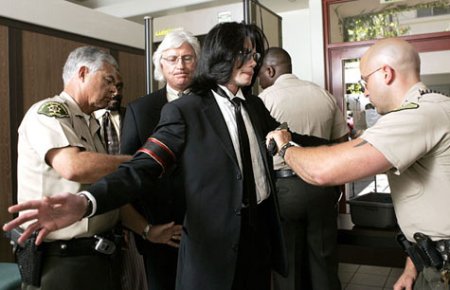 D.K: Many people said that enduring the accusations and the trial was very hard for him. When I saw the photos of his comings and goings to court during that period, it looked like the sparkle that had been in his eyes earlier had disappeared.
A.J: The trial was very difficult for him because he had to sit there and watch how people who had once helped him were saying those things about him. There were also people who said good things about him, but it wasn’t recorded. But in court, it was said.
He had different days, and the trial process was very long. I don’t know how someone can sit in court for five or six days and watch their life story parade in front of their eyes, and then endure hearing what those people say about them.
I could see the expressions on his face. He looked at people who were lying from the witness stand and he would just shake his head. It was as if he was saying, “You’re a liar,” but he never said it out loud. He was truly a classy person. He was truly articulate and eloquent. Very tasteful and dignified.
He always stood up when the jury entered.
He always clasped his hands together in a way that hands take on when someone is reading a prayer or praising someone. It was as if he was telling the media, “Please don’t hurt me.” His behavior was respectful toward everyone. I don’t think it was something he was told to do. Sometimes a defendant or a witness is told to have a certain behavior or wear certain clothes. But Michael wasn’t told anything like that. That was truly his own character.
D.K: Many people said that enduring the accusations and the trial was very hard for him. When I saw the photos of his comings and goings to court during that period, it looked like the sparkle that had been in his eyes earlier had disappeared.
A.J: The trial was very difficult for him because he had to sit there and watch how people who had once helped him were saying those things about him. There were also people who said good things about him, but it wasn’t recorded. But in court, it was said.
He had different days, and the trial process was very long. I don’t know how someone can sit in court for five or six days and watch their life story parade in front of their eyes, and then endure hearing what those people say about them.
I could see the expressions on his face. He looked at people who were lying from the witness stand and he would just shake his head. It was as if he was saying, “You’re a liar,” but he never said it out loud. He was truly a classy person. He was truly articulate and eloquent. Very tasteful and dignified.
He always stood up when the jury entered.
He always clasped his hands together in a way that hands take on when someone is reading a prayer or praising someone. It was as if he was telling the media, “Please don’t hurt me.” His behavior was respectful toward everyone. I don’t think it was something he was told to do. Sometimes a defendant or a witness is told to have a certain behavior or wear certain clothes. But Michael wasn’t told anything like that. That was truly his own character.
Michael with his lawyer, Tom Mesereau
He reached a point where he decided not to let anyone extort him again. And if it was necessary for him to enter court to make people understand that, then he would endure it—and he did. But did it cause him a lot of harm? Absolutely.
I don’t think he ever recovered from the harm the trial did to him. Many journalists shared that view too. One of my friends at The New York Times wrote in an article after Michael’s death that Michael never returned to how he used to be after the trial, and Tom Mesereau agrees.
Michael truly never recovered from that process.
Just imagine this. Debbie Rowe (Michael’s former wife and the mother of Prince and Paris, Michael’s children) came to court. The woman Michael had helped, who spent all that money on her. They called her friend, wife, and mother—and she came to testify against Michael. But suddenly, when she started in the witness stand, she began to cry to get attention and to regain her friendship and kindness. That’s ridiculous.
Many testimonies were like that. It was hard to believe what those people said. You would think to yourself: why did these people agree to testify in favor of the prosecution? Because what they said was either a lie, or in that moment they decided to change their story.
The same was true for what the complainant and his family said. You would think to yourself, “None of you are telling the truth. You just want money.” That’s what the jury members later told me. They thought those people—and also the family of Chandler (the 1993 complainant)—as well as Martin Bashir were after money.
D.K: When the main film by Martin Bashir (Living with マイケル・ジャクソン — 2003) aired on TV, I didn’t watch it. But after Michael’s death, I watched it online, and my first impression was that it was a fabricated film meant to make Michael look bad and trying to convince people that Michael sexually abused children.
A.J: It was completely staged.
D.K: I remember thinking when I watched the film, “Bashir is attacking him out of nowhere.”
A.J: In my opinion, it was completely staged. Without a doubt, without question.
D.K: That’s shameful. Because after years, he decided to finally trust someone to show the truth of his life.
A.J: And the result was that he was accused. That’s a lot. It wasn’t just media slander anymore. Now they were using the media against him in court, accusing him of conspiracy, kidnapping, and extortion. The accusations weren’t believable.
At first, they brought 10 charges against him, and then added 4 lesser charges—one of which was giving alcoholic beverages to a minor. The judge gave the jury the opportunity to find Michael guilty in at least one case based on that charge.
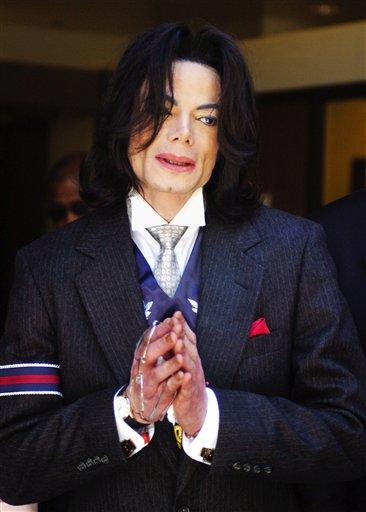
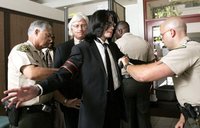
Michael leaving the courtroom
D.K: The Arvizo family (the 2005 complainants) brought this accusation against him and said that he gave alcohol to the children?
A.J: Yes.
D.K: Before deciding to write your book, did you ask the judge to provide you with all the evidence and transcripts from the court sessions to study?
A.J: Yes.
D.K: What in those documents caught your attention the most and convinced you that there was something going on behind the scenes?
A.J: Without a doubt, the main point was that the complainant was lying—and in the very first interrogation, when he told his “story” to the Santa Barbara police, he was prompted by them.
I realized he wasn’t telling the truth and the police were feeding him. They told him, “Don’t worry. We’ll help you tell your story. Everything is fine. We already know マイケル・ジャクソン is a bad man.” They were reading those things into his ears. And that boy didn’t pay attention to what they said at all—he just wanted to go outside and eat his snacks. Those things didn’t add up in my mind. I didn’t believe the boy.
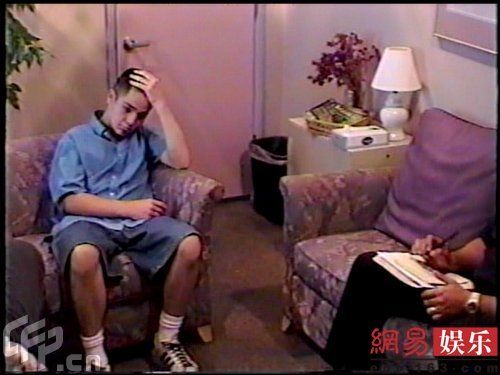
Gavin Arvizo being questioned by the Santa Barbara police
D.K: In court, there was a discussion about photos taken in 1993 of Michael’s accuser from the Tansley family. And permission to present them in the 2005 trial wasn’t granted. Is that correct?
A.J: Yes, they weren’t presented.
D.K: In your book, you wrote that the trial showed Michael’s life was different from what everyone thought. You wrote that in court you saw another aspect of his life that you didn’t expect.
A.J: Yes. We found out that he really loved chicken-something like that, and other things like that which we said, “Oh wow!” after we learned them—and we saw photos of his bedroom, which was very messy.
D.K: When you went to publishers to get your book printed, you realized that they didn’t want anything that would be in favor of Jackson. How did that make you feel? Especially since you’re also a New York Times bestselling author.
A.J: I was really hurt. I was confused and stunned. He had been acquitted, and because he was acquitted, no publisher wanted a book about it. Only books that smeared him were accepted. It was confusing for me because I never thought the world of publishing would be full of prejudice and bias. I really didn’t think that. I hadn’t lived with that kind of attitude.
D.K: So you never experienced anything like this with your previous books.
A.J: No.
D.K: Why do you think they treated you that way? Was it because of the media coverage?
A.J: I think they were against the truth—and that’s what they wanted.
D.K: Did Michael read your book “The マイケル・ジャクソン Conspiracy,” or did he know anything about it?
A.J: No. He never announced that he knew I was writing this book. I know he was aware of it because I could introduce myself to him through Grace (the nanny of Michael’s children) and others. Now that I think about it, I believe Michael really didn’t want to face the dark period of the trial again.
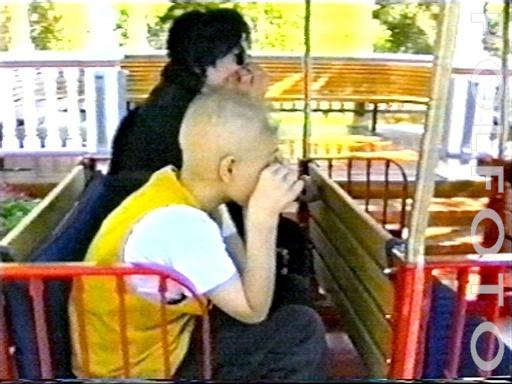
Gavin with Michael — Neverland
I think the trial killed him, and I truly believe he couldn’t deal with anything connected to that dark period.
I believe he was happy inside about writing this book, but on the other hand it reminded him of a very terrible chapter in his life—the days when he tried to help a sick child with cancer, and in the end he became the victim of that same child.
Source: eMJey / reflectionsonthedance.com
アーカイブから
関連記事
同じテーマやアーカイブの記事をもっと読む。
- This Is It DVD および Blu-ray について 記事を読む
- 『This Is It Tour』衣装デザイナーインタビュー 記事を読む
- A 3D Earth Song ビデオの一部が公開されました マイケルが This Is It ツアーコンサート中に展示するために作成した 3D ビデオ「Earth Song」の 記事を読む
- マイケルの弁護士が利益の分配を求める 記事を読む
- ジャクソン家の新しいセキュリティ対策 記事を読む
- マイケルの子供たちがグラミー賞に出席 記事を読む
- マイケルは今年のグラミー賞のステージに立ちたかった 記事を読む
- R今年のグラミー賞授賞式にまつわる噂 記事を読む
- Opus からの写真をもっと見る 記事を読む
- RedOne、マイケルの曲のリリースを追求 記事を読む
- プリンスとパリスがグラミー賞でスピーチ 記事を読む
- マーティン・ルーサー・キング牧師の祝賀会がマイケルの音楽で開幕 記事を読む