Interview with Aphrodite Jones About Michael’s Trial
Aphrodite Jones, a Fox News reporter and the author of best-selling realistic crime books, covered the 2005 Michael Jackson trial for Fox.
Like many other reporters and media members at first, she believed Michael was guilty. But after attending the court proceedings and sitting in on the hearings, she realized that she and her colleagues had been led astray and that Michael was definitely innocent.
After Michael was declared not guilty, she asked the judge to provide her with the case files and court documents so she could investigate the truth. She published the results of her studies and research in a book titled “The Michael Jackson Conspiracy” in 2007 to ensure she told the truth about Michael.
This April, she will air a documentary about the matter on television. Below is her exclusive interview with Deborah Keon from reflectionsonthedance.com.

 D.K: Many people said that enduring the accusations and the trial was very hard for him. When I saw the photos of his comings and goings to court during that period, it looked like the sparkle that had been in his eyes earlier had disappeared.
A.J: The trial was very difficult for him because he had to sit there and watch how people who had once helped him were saying those things about him. There were also people who said good things about him, but it wasn’t recorded. But in court, it was said.
He had different days, and the trial process was very long. I don’t know how someone can sit in court for five or six days and watch their life story parade in front of their eyes, and then endure hearing what those people say about them.
I could see the expressions on his face. He looked at people who were lying from the witness stand and he would just shake his head. It was as if he was saying, “You’re a liar,” but he never said it out loud. He was truly a classy person. He was truly articulate and eloquent. Very tasteful and dignified.
He always stood up when the jury entered.
He always clasped his hands together in a way that hands take on when someone is reading a prayer or praising someone. It was as if he was telling the media, “Please don’t hurt me.” His behavior was respectful toward everyone. I don’t think it was something he was told to do. Sometimes a defendant or a witness is told to have a certain behavior or wear certain clothes. But Michael wasn’t told anything like that. That was truly his own character.
D.K: Many people said that enduring the accusations and the trial was very hard for him. When I saw the photos of his comings and goings to court during that period, it looked like the sparkle that had been in his eyes earlier had disappeared.
A.J: The trial was very difficult for him because he had to sit there and watch how people who had once helped him were saying those things about him. There were also people who said good things about him, but it wasn’t recorded. But in court, it was said.
He had different days, and the trial process was very long. I don’t know how someone can sit in court for five or six days and watch their life story parade in front of their eyes, and then endure hearing what those people say about them.
I could see the expressions on his face. He looked at people who were lying from the witness stand and he would just shake his head. It was as if he was saying, “You’re a liar,” but he never said it out loud. He was truly a classy person. He was truly articulate and eloquent. Very tasteful and dignified.
He always stood up when the jury entered.
He always clasped his hands together in a way that hands take on when someone is reading a prayer or praising someone. It was as if he was telling the media, “Please don’t hurt me.” His behavior was respectful toward everyone. I don’t think it was something he was told to do. Sometimes a defendant or a witness is told to have a certain behavior or wear certain clothes. But Michael wasn’t told anything like that. That was truly his own character.
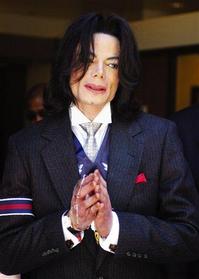


Aphrodite Jones
Deborah Keon: D.K
Aphrodite Jones: A.J
D.K: When you were reporting the trial news in 2005 for Fox, did you think Michael was guilty?
A.J: Yes.
D.K: At first, what made you and your media colleagues think he was guilty? Was it because of things that were being said about him?
A.J: No, no. Two issues were involved.
First was the settlement outside court with Jordy Chandler (the 1993 complainant). My impression was that when someone pays such an amount to reach an agreement, then there must be something there. I had the same view as others I spoke with. I knew an American-African female journalist, a woman of the press, who told me she thought there was an issue at the time, but she didn’t think the current case was real. She was the only one who somehow supported Michael.
I wasn’t looking for anything other than proving guilt. The reason was that I was influenced by people like Diane Diamond, who has a talent for storytelling. In her stories from 1993 up to that time, Michael was a corrupt and frightening person, and Diane saw herself as someone who was uncovering the truth. After Diane Diamond came Nancy Grace, who stepped into Diane’s footsteps.
I was very one-sided, and I think most media people were like that too. And producers as well—not just on Fox, but all producers across the United States.
Canadian networks were a bit more moderate. But the people I spoke with—from London to France, and especially in the United States—were all waiting for the day when Macaulay Culkin (the actor from Home Alone and Michael’s young friend) would testify in court. That not only satisfied their lust for scandal, but was also exciting and thrilling for them.
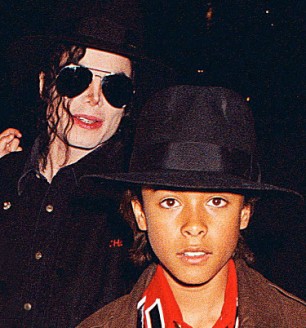
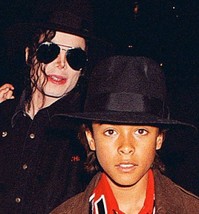
Michael with Jordan Chandler — Jordan’s father accused Michael in 1993
They wanted to hear what Michael was doing. They wanted to hear anything that seemed strange, stupid, or exciting. And in reality, they didn’t care about knowing the truth.
It was like that old saying: “Don’t bore me with the facts.” That mindset was dominant, and I think unfortunately that kind of atmosphere still exists in many media outlets. Because they want ratings. Newspapers are the same way. Headlines have to pull the audience in. They have to put whatever attracts people into their papers.
What grabbed people’s attention at that time was that they finally had Michael trapped. I was one of their buyers.
D.K: What made you change your thinking?
A.J: It was very strange. On the day the verdict was announced, I walked into court with the belief that he would be found guilty. When the verdict of “not guilty” was read, it was like someone poured ice water over my face. Me and the rest of the media people were all shocked.
Everyone’s mouth was left open. Fans were crying with joy, but they weren’t allowed to say anything or make any gestures.
In that particular moment, I remembered the story of “The Emperor’s New Clothes,” and I realized that prosecutor Tom Sneddon was exactly that emperor. All he wanted was to smear Michael Jackson. And I remembered that one of the investigators on the prosecutor’s team had told me that even if they didn’t win, they had managed to prove something. In other words, they wanted to stain Michael’s credibility and reputation.
When I heard that, I didn’t understand their purpose. But when I heard those “not guilty” verdicts, everything became clear to me. The puzzle pieces fit together. I was struck.
I recognized the man because I had been sitting with the jury for months, and I knew they were ordinary, average people. They were not stupid. They were a very good jury. Even the judge had left the door open for them to deliver a guilty verdict at least in one case by approving a minor charge—“giving alcohol to a minor.” But they didn’t do that.
That’s when I remembered that I had asked them what their agenda was, and they told me that they would win anyway. And then I thought to myself: what did they mean by that?

The Arvizo family
D.K: Yes, that’s a strange statement.
A.J: And then I realized that the media only wanted to stain his reputation. And they succeeded.
D.K: What was their motivation for tarnishing his reputation?
A.J: Because in their minds, he was guilty. In their minds, he had molested a boy in 1993 and then fled the scene. Even if they couldn’t prove it, they wanted to drag him through the mud.
Tom Sneddon passed a law for the state of California—and in fact for Michael Jackson—so that Sneddon could attach previous cases along with the new charges, and usually such permission is not granted in court.
You’re not allowed to mix past cases with today’s proceedings. Especially cases where guilt hasn’t been proven. An allegation was made and an agreement was reached. But Sneddon passed a law that allowed him to revive old cases in the current trial. He was that serious.
When I realized this, that was when I decided to write my book. Because I understood that he had even gone as far as to travel to Australia, to go around the world to find someone who had been abused and victimized by Michael. This case was a mission for him. It wasn’t just revenge—it was truly a mission.
This really shocked me.
He didn’t spend as much energy trying to catch serial killers as he did trying to destroy Michael Jackson. He had an odd desire to ruin Michael Jackson.
The prosecutor was also, in a way, complicit with some media outlets.
I won’t name names. But people were allowed to film from that location during the police raid on Neverland (Michael’s ranch) and the search of his home—and that couldn’t have happened unless the prosecutor’s office had given permission. Long before the trial was formed, there was some kind of information exchange between the prosecutor and parts of the media, and that fueled the fire. Because when the media heard the story directly from the prosecutor, they thought they already knew the truth.
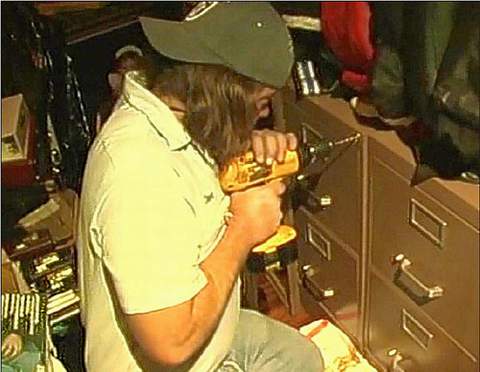
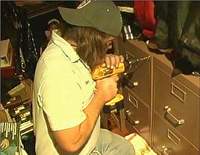
Photo of the police raid on Neverland
D.K: During the court sessions, was the atmosphere the same, or did it change every day?
A.J: We weren’t allowed to be swept up by emotions in court. Everything was extremely serious and formal. I mean, Michael Jackson was on the edge of life and death there. The judge wasn’t lenient.
But what I noticed was that people talked about Michael Jackson—whether he wore a wig, whether he was addicted, and the negative things the media said that had pushed Michael close to destruction.
D.K: On the day the verdict was read, you said you were shocked. But did you notice Michael’s reaction—or his family’s reaction—or the reactions of others in the courtroom to this verdict?
A.J: Michael was very grateful. He thanked the jury under his breath. In court, some people were crying. Michael’s family was very calm. Michael was very calm and composed.
When it was time to enter the courtroom and I passed through the security coverage, I faced him directly. At first, it seemed like he was very afraid. I don’t think it was fear of being convicted. I think it was fear of the jury’s decision. They could have done anything to him. He was coming to have his fate read to him. And although he hadn’t committed any crime, how could he know what the jury had decided for him? He was walking into a room full of strangers—people he knew would believe the controversy.
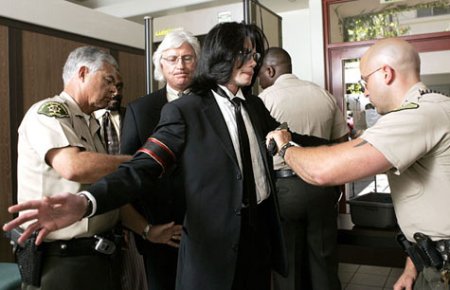
To be honest, I thought he might not even come to hear the verdict. His defense attorney (Tom Mesereau) clearly knew, and later told me as well, that he had assured Michael that they had won.
 D.K: Many people said that enduring the accusations and the trial was very hard for him. When I saw the photos of his comings and goings to court during that period, it looked like the sparkle that had been in his eyes earlier had disappeared.
A.J: The trial was very difficult for him because he had to sit there and watch how people who had once helped him were saying those things about him. There were also people who said good things about him, but it wasn’t recorded. But in court, it was said.
He had different days, and the trial process was very long. I don’t know how someone can sit in court for five or six days and watch their life story parade in front of their eyes, and then endure hearing what those people say about them.
I could see the expressions on his face. He looked at people who were lying from the witness stand and he would just shake his head. It was as if he was saying, “You’re a liar,” but he never said it out loud. He was truly a classy person. He was truly articulate and eloquent. Very tasteful and dignified.
He always stood up when the jury entered.
He always clasped his hands together in a way that hands take on when someone is reading a prayer or praising someone. It was as if he was telling the media, “Please don’t hurt me.” His behavior was respectful toward everyone. I don’t think it was something he was told to do. Sometimes a defendant or a witness is told to have a certain behavior or wear certain clothes. But Michael wasn’t told anything like that. That was truly his own character.
D.K: Many people said that enduring the accusations and the trial was very hard for him. When I saw the photos of his comings and goings to court during that period, it looked like the sparkle that had been in his eyes earlier had disappeared.
A.J: The trial was very difficult for him because he had to sit there and watch how people who had once helped him were saying those things about him. There were also people who said good things about him, but it wasn’t recorded. But in court, it was said.
He had different days, and the trial process was very long. I don’t know how someone can sit in court for five or six days and watch their life story parade in front of their eyes, and then endure hearing what those people say about them.
I could see the expressions on his face. He looked at people who were lying from the witness stand and he would just shake his head. It was as if he was saying, “You’re a liar,” but he never said it out loud. He was truly a classy person. He was truly articulate and eloquent. Very tasteful and dignified.
He always stood up when the jury entered.
He always clasped his hands together in a way that hands take on when someone is reading a prayer or praising someone. It was as if he was telling the media, “Please don’t hurt me.” His behavior was respectful toward everyone. I don’t think it was something he was told to do. Sometimes a defendant or a witness is told to have a certain behavior or wear certain clothes. But Michael wasn’t told anything like that. That was truly his own character.
Michael with his lawyer, Tom Mesereau
He reached a point where he decided not to let anyone extort him again. And if it was necessary for him to enter court to make people understand that, then he would endure it—and he did. But did it cause him a lot of harm? Absolutely.
I don’t think he ever recovered from the harm the trial did to him. Many journalists shared that view too. One of my friends at The New York Times wrote in an article after Michael’s death that Michael never returned to how he used to be after the trial, and Tom Mesereau agrees.
Michael truly never recovered from that process.
Just imagine this. Debbie Rowe (Michael’s former wife and the mother of Prince and Paris, Michael’s children) came to court. The woman Michael had helped, who spent all that money on her. They called her friend, wife, and mother—and she came to testify against Michael. But suddenly, when she started in the witness stand, she began to cry to get attention and to regain her friendship and kindness. That’s ridiculous.
Many testimonies were like that. It was hard to believe what those people said. You would think to yourself: why did these people agree to testify in favor of the prosecution? Because what they said was either a lie, or in that moment they decided to change their story.
The same was true for what the complainant and his family said. You would think to yourself, “None of you are telling the truth. You just want money.” That’s what the jury members later told me. They thought those people—and also the family of Chandler (the 1993 complainant)—as well as Martin Bashir were after money.
D.K: When the main film by Martin Bashir (Living with Michael Jackson — 2003) aired on TV, I didn’t watch it. But after Michael’s death, I watched it online, and my first impression was that it was a fabricated film meant to make Michael look bad and trying to convince people that Michael sexually abused children.
A.J: It was completely staged.
D.K: I remember thinking when I watched the film, “Bashir is attacking him out of nowhere.”
A.J: In my opinion, it was completely staged. Without a doubt, without question.
D.K: That’s shameful. Because after years, he decided to finally trust someone to show the truth of his life.
A.J: And the result was that he was accused. That’s a lot. It wasn’t just media slander anymore. Now they were using the media against him in court, accusing him of conspiracy, kidnapping, and extortion. The accusations weren’t believable.
At first, they brought 10 charges against him, and then added 4 lesser charges—one of which was giving alcoholic beverages to a minor. The judge gave the jury the opportunity to find Michael guilty in at least one case based on that charge.
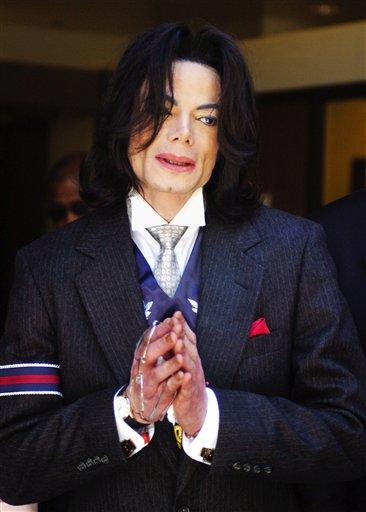
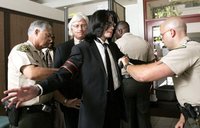
Michael leaving the courtroom
D.K: The Arvizo family (the 2005 complainants) brought this accusation against him and said that he gave alcohol to the children?
A.J: Yes.
D.K: Before deciding to write your book, did you ask the judge to provide you with all the evidence and transcripts from the court sessions to study?
A.J: Yes.
D.K: What in those documents caught your attention the most and convinced you that there was something going on behind the scenes?
A.J: Without a doubt, the main point was that the complainant was lying—and in the very first interrogation, when he told his “story” to the Santa Barbara police, he was prompted by them.
I realized he wasn’t telling the truth and the police were feeding him. They told him, “Don’t worry. We’ll help you tell your story. Everything is fine. We already know Michael Jackson is a bad man.” They were reading those things into his ears. And that boy didn’t pay attention to what they said at all—he just wanted to go outside and eat his snacks. Those things didn’t add up in my mind. I didn’t believe the boy.
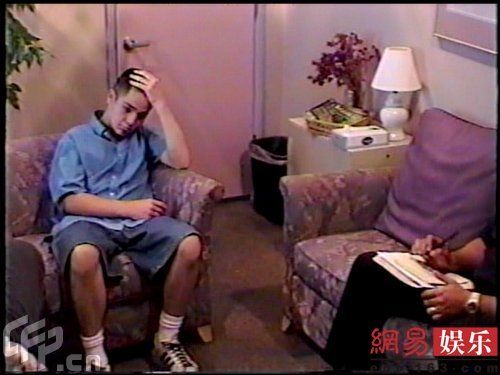
Gavin Arvizo being questioned by the Santa Barbara police
D.K: In court, there was a discussion about photos taken in 1993 of Michael’s accuser from the Tansley family. And permission to present them in the 2005 trial wasn’t granted. Is that correct?
A.J: Yes, they weren’t presented.
D.K: In your book, you wrote that the trial showed Michael’s life was different from what everyone thought. You wrote that in court you saw another aspect of his life that you didn’t expect.
A.J: Yes. We found out that he really loved chicken-something like that, and other things like that which we said, “Oh wow!” after we learned them—and we saw photos of his bedroom, which was very messy.
D.K: When you went to publishers to get your book printed, you realized that they didn’t want anything that would be in favor of Jackson. How did that make you feel? Especially since you’re also a New York Times bestselling author.
A.J: I was really hurt. I was confused and stunned. He had been acquitted, and because he was acquitted, no publisher wanted a book about it. Only books that smeared him were accepted. It was confusing for me because I never thought the world of publishing would be full of prejudice and bias. I really didn’t think that. I hadn’t lived with that kind of attitude.
D.K: So you never experienced anything like this with your previous books.
A.J: No.
D.K: Why do you think they treated you that way? Was it because of the media coverage?
A.J: I think they were against the truth—and that’s what they wanted.
D.K: Did Michael read your book “The Michael Jackson Conspiracy,” or did he know anything about it?
A.J: No. He never announced that he knew I was writing this book. I know he was aware of it because I could introduce myself to him through Grace (the nanny of Michael’s children) and others. Now that I think about it, I believe Michael really didn’t want to face the dark period of the trial again.
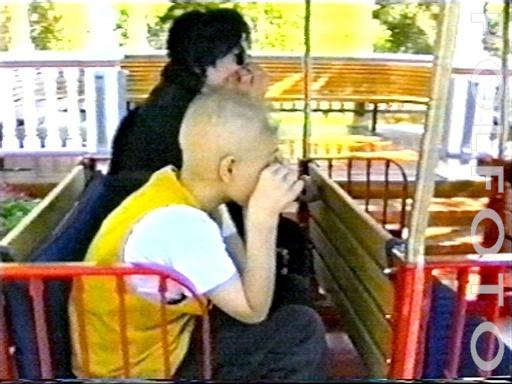
Gavin with Michael — Neverland
I think the trial killed him, and I truly believe he couldn’t deal with anything connected to that dark period.
I believe he was happy inside about writing this book, but on the other hand it reminded him of a very terrible chapter in his life—the days when he tried to help a sick child with cancer, and in the end he became the victim of that same child.
Source: eMJey / reflectionsonthedance.com