ネバーランド秘話(前編)
先月、この同じページで、マイケル・ジャクソンと彼のネバーランドに関する新しいドキュメンタリーについての記事を掲載しました。我々は持っていた。このドキュメンタリーは「マイケル・ジャクソン:ネバーランドの語られない物語」と呼ばれ、制作されました。ラリー・ニマーは、エンターテイメント番組や教育番組の制作に 30 年の経歴があり、非常に重要なエミー賞に何度もノミネートされています。
2005年、ラリー・ニマーはマイケル・ジャクソンを弁護する弁護団に雇われ、2003年に警察の強制捜査後に上映された映画と、検察チームによってネバーランドが陪審に悪印象を与えるために上映された映画を担当した。彼が制作を任されたドキュメンタリーは、マイケルのかつての家であるネバーランドの現実を示すものでした。ニマーの仕事は、陪審員がその映画に基づいてマイケルとネバーランドについて誤った印象を形成するのを防ぎ、検察チームのトリックを無力化することでした。
2005年、ラリー・ニマーがネバーランドについて製作した映画が、マイケル・ジャクソンの告訴の公判中に法廷で上映された。この映画は、マイケルの告発者の家族の供述の矛盾を浮き彫りにした。ラリー・ニマー氏は告発者の家族生活を調査した結果、彼らにきれいな過去がないことがわかった。ラリー・ニンマーは、アルヴィゾ一家のほかに、マイケル事件の他の2つの流れ、メディアとサンタバーバラ裁判所の所長、トーマス・スネドンの話も非難している。
現在、ラリー・ニマーはこのドキュメンタリーを放映してくれるネットワークを探しています。メディアはマイケル・ジャクソンに関するポジティブなニュースを報道したくないと彼は言う。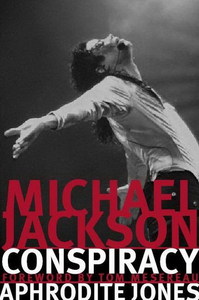 Then ideas for making a documentary came to me, and Aphrodite herself had also thought about it, but she hadn’t been able to move her idea forward. I wasn’t sure whether I was legally allowed to use the footage I had taken from Neverland. So I consulted my legal brother, and he told me that I could use them based on a set of legal principles. Then I started building the documentary using pieces of the footage. I really didn’t need to film more scenes; I just added some other things.
MJFC: Is the final version of your documentary ready?
Larry Nimmer: Right now I have a final version that is 40 minutes long. I could have made it longer, but we wanted to see whether a network would be willing to air it. I told all of them that if they wanted, I could make the documentary longer. But so far, every network I contacted either hasn’t decided yet or has rejected it. Aphrodite Jones had reached the same conclusion: if she made a documentary, nobody would buy it and many news agencies don’t want to show positive things about Michael. So maybe I’ll face the same reaction from the media. Of course, I know there are many people who think positively about Michael. In a few weeks, we’ll see. And if it’s not going to be aired on a network, then I’ll release it on DVD.
MJFC: Your documentary has been promoted as a Michael fan documentary. But in any case, especially after the disaster of Martin Bashir’s documentary (the insulting documentary Bashir made about Michael, and after which Bashir was chosen as the most hated figure of the year on British television), マイケル・ジャクソン fans are very alert and cautious about this kind of documentary film. Do you think fans will like your documentary?
Larry Nimmer: Yes, I think so. This documentary speaks for itself. I think Martin Bashir’s documentary also spoke for itself. I definitely have sympathy and compassion for Michael. I worked in his defense. I’m aware of what happened, from both the defense side and the prosecution side. But as the jury decided, the prosecution wasn’t very convincing. So I think fans will like this film. Fans probably would have liked me to include more scenes of his performances or interviews with him.
MJFC: Is it true that you used parts of Martin Bashir’s documentary in your film? What was the reason for that?
Larry Nimmer: During the trial, Thomas Mesereau asked me to edit the deleted scenes from Martin Bashir’s documentary and show that Martin Bashir in those scenes sympathizes with and agrees with Michael, but that he didn’t use them in his own documentary. The point was that Martin Bashir didn’t want to show Michael in the way he could have. That’s why I gained access to the deleted scenes from Martin Bashir’s film. These scenes were actually filmed by Michael’s personal cameraman (Hamid Mosahehi) with another camera. These weren’t professional scenes, because it seemed like the cameraman’s only intention was to record Michael’s statements.
MJFC: What can fans expect from your documentary that they haven’t seen or heard yet?
Larry Nimmer: In those deleted scenes, Michael talks about being famous, the consequences of it, and how people don’t treat him like an ordinary person. He talks about his loneliness and isolation. He talks about wanting to use the feeling of childhood in professional work. He talks about many things he has spoken about in other interviews. These are the topics he often talks about.
MJFC: Overall, what was your opinion of Gavin Arvizo and his family?
Larry Nimmer: It seemed like he really had cancer. They really were asking Michael for help. But then it seems they exploited him, and when they realized they couldn’t use Neverland or his credit cards the way they wanted to benefit themselves, they turned against him. It seems they made up those stories and were good actors—every child and their mother. In an interview video—which I think nobody has seen, but which was used in court—the Arvizo family praises Michael and says he is a great man and how much he helped them. But in court, they claimed that he had taken them hostage and the rest of those stories. So as it appears, they were all trying to trick Michael, and the media and the prosecution were so eager to equip their ammunition against Michael and portray him as a child molester that it caused everyone to believe their story.
MJFC: Do you think Michael is simply being attacked and exploited?
Larry Nimmer: Yes, I think so. All famous people are attacked and exploited easily—especially those who are strange. I believe Michael is a strange person. But I don’t think his strangeness is a problem at all. In fact, I think he is energizing and refreshing in many ways. One of the things Michael says in these films is that during the case of Jerdy Chandler (his 13-year-old accuser in 1993), the reason he agreed to a financial settlement was that he didn’t want a court like O.J. Simpson’s to happen to him. But if we look at the past, we can see that a settlement was a bad idea, because it made others think they could get money this way. I don’t believe he is a child molester. But I think because of the settlement in that case, he became more exposed to extortion by people.
MJFC: Many fans consider prosecutor Tom Sneddon the main cause of this case and the trial against Michael. Do you agree with them?
Larry Nimmer: I think the original source of this case was the Arvizo family. Probably Jannet Arvizo (the mother), or maybe Jannet and Gavin. Maybe when they met with their lawyer and psychologist, they found the courage to raise this issue and they also believed the story themselves. Then they sparked it. Tom Sneddon was also looking for evidence against Michael, and that’s how he got involved. I don’t know whether he was the original source of the whole thing, but he definitely fanned the flames.
MJFC: Do you think your documentary has the power to change people’s minds about these events and about Michael?
Larry Nimmer: Most of the people I showed this film to said that after watching it, they had a different opinion about the trial and about マイケル・ジャクソン. Most people have been convinced that the Arvizo family story was false. I think this film will definitely change people’s opinions about this family, and I’ve also heard that people have changed their views about the Chandler family as well. My documentary also examines the claims made by that family, and I analyze those claims too. People who have seen this film think those accusations were also fabricated. I think this documentary might change the picture people have of Michael and his accusations in their minds.
MJFC: What do you think about Michael’s concerts in London? Apparently, your documentary and these concerts have been happening at the same time.
Larry Nimmer: I think it’s amazing that he is putting on these concerts. For me, it’s good luck that this documentary is happening at the same time as them. I have to say that I feel guilty that I’m using マイケル・ジャクソン’s name for this documentary. Just like many others have used his name. Even the Arvizo and Chandler families. That’s why I feel guilty about using his name and maybe making money too. To be honest, I’m thinking of donating 10% of the profits to マイケル・ジャクソン’s charitable foundations. So I have mixed feelings about benefiting from him. But I think it’s great that he’s performing again. And the pure truth is that all the tickets for these concerts sold out by the end, and he still has a legendary fortress of fans.
For me, it was very interesting that, in the past week, since the news about this documentary was released and other blogs also wrote about it, it was fascinating for me that I received calls from all over the world from people who sympathized with Michael and were eager to hear my story. People from Iran, Norway, Italy, Scotland, France, and the United States contacted me. It’s really interesting what a strong fan base he has. And I think it’s because of the message he carries about love, peace, respecting children, and the nature of childhood.
I think it’s incredible. We’ll see how he handles all those concerts he’s going to perform, because I think he has a delicate body. But on the other hand, he has performed many shows in the past, and I’ve heard in his interviews how much he enjoys performing and how comfortable and calm he feels on stage. I think it’s a good idea, and it will be interesting to see how these shows go, who will perform with him, and which songs he will sing.
MJFC: Are you planning to do other projects related to マイケル・ジャクソン?
Larry Nimmer: I’d like to make a documentary about マイケル・ジャクソン’s fans around the world—how people in different cultures see him, and how his voice resonates in different places and cultures. Maybe one day I’ll make another documentary about him and his music, not about his court issues. But I don’t have any specific plans yet. Right now I’m involved in other documentaries.
Larry Nimmer told MJFC that he wants to allow fans around the world to publish their messages in his documentary, which will probably be released on DVD. MJFC promised that if Mr. Nimmer decides to do this, they will inform fans so they can send their messages for Michael to Larry Nimmer for inclusion in the DVD.
Source: eMJey / Larry Nimmer, MJFC-USA
Then ideas for making a documentary came to me, and Aphrodite herself had also thought about it, but she hadn’t been able to move her idea forward. I wasn’t sure whether I was legally allowed to use the footage I had taken from Neverland. So I consulted my legal brother, and he told me that I could use them based on a set of legal principles. Then I started building the documentary using pieces of the footage. I really didn’t need to film more scenes; I just added some other things.
MJFC: Is the final version of your documentary ready?
Larry Nimmer: Right now I have a final version that is 40 minutes long. I could have made it longer, but we wanted to see whether a network would be willing to air it. I told all of them that if they wanted, I could make the documentary longer. But so far, every network I contacted either hasn’t decided yet or has rejected it. Aphrodite Jones had reached the same conclusion: if she made a documentary, nobody would buy it and many news agencies don’t want to show positive things about Michael. So maybe I’ll face the same reaction from the media. Of course, I know there are many people who think positively about Michael. In a few weeks, we’ll see. And if it’s not going to be aired on a network, then I’ll release it on DVD.
MJFC: Your documentary has been promoted as a Michael fan documentary. But in any case, especially after the disaster of Martin Bashir’s documentary (the insulting documentary Bashir made about Michael, and after which Bashir was chosen as the most hated figure of the year on British television), マイケル・ジャクソン fans are very alert and cautious about this kind of documentary film. Do you think fans will like your documentary?
Larry Nimmer: Yes, I think so. This documentary speaks for itself. I think Martin Bashir’s documentary also spoke for itself. I definitely have sympathy and compassion for Michael. I worked in his defense. I’m aware of what happened, from both the defense side and the prosecution side. But as the jury decided, the prosecution wasn’t very convincing. So I think fans will like this film. Fans probably would have liked me to include more scenes of his performances or interviews with him.
MJFC: Is it true that you used parts of Martin Bashir’s documentary in your film? What was the reason for that?
Larry Nimmer: During the trial, Thomas Mesereau asked me to edit the deleted scenes from Martin Bashir’s documentary and show that Martin Bashir in those scenes sympathizes with and agrees with Michael, but that he didn’t use them in his own documentary. The point was that Martin Bashir didn’t want to show Michael in the way he could have. That’s why I gained access to the deleted scenes from Martin Bashir’s film. These scenes were actually filmed by Michael’s personal cameraman (Hamid Mosahehi) with another camera. These weren’t professional scenes, because it seemed like the cameraman’s only intention was to record Michael’s statements.
MJFC: What can fans expect from your documentary that they haven’t seen or heard yet?
Larry Nimmer: In those deleted scenes, Michael talks about being famous, the consequences of it, and how people don’t treat him like an ordinary person. He talks about his loneliness and isolation. He talks about wanting to use the feeling of childhood in professional work. He talks about many things he has spoken about in other interviews. These are the topics he often talks about.
MJFC: Overall, what was your opinion of Gavin Arvizo and his family?
Larry Nimmer: It seemed like he really had cancer. They really were asking Michael for help. But then it seems they exploited him, and when they realized they couldn’t use Neverland or his credit cards the way they wanted to benefit themselves, they turned against him. It seems they made up those stories and were good actors—every child and their mother. In an interview video—which I think nobody has seen, but which was used in court—the Arvizo family praises Michael and says he is a great man and how much he helped them. But in court, they claimed that he had taken them hostage and the rest of those stories. So as it appears, they were all trying to trick Michael, and the media and the prosecution were so eager to equip their ammunition against Michael and portray him as a child molester that it caused everyone to believe their story.
MJFC: Do you think Michael is simply being attacked and exploited?
Larry Nimmer: Yes, I think so. All famous people are attacked and exploited easily—especially those who are strange. I believe Michael is a strange person. But I don’t think his strangeness is a problem at all. In fact, I think he is energizing and refreshing in many ways. One of the things Michael says in these films is that during the case of Jerdy Chandler (his 13-year-old accuser in 1993), the reason he agreed to a financial settlement was that he didn’t want a court like O.J. Simpson’s to happen to him. But if we look at the past, we can see that a settlement was a bad idea, because it made others think they could get money this way. I don’t believe he is a child molester. But I think because of the settlement in that case, he became more exposed to extortion by people.
MJFC: Many fans consider prosecutor Tom Sneddon the main cause of this case and the trial against Michael. Do you agree with them?
Larry Nimmer: I think the original source of this case was the Arvizo family. Probably Jannet Arvizo (the mother), or maybe Jannet and Gavin. Maybe when they met with their lawyer and psychologist, they found the courage to raise this issue and they also believed the story themselves. Then they sparked it. Tom Sneddon was also looking for evidence against Michael, and that’s how he got involved. I don’t know whether he was the original source of the whole thing, but he definitely fanned the flames.
MJFC: Do you think your documentary has the power to change people’s minds about these events and about Michael?
Larry Nimmer: Most of the people I showed this film to said that after watching it, they had a different opinion about the trial and about マイケル・ジャクソン. Most people have been convinced that the Arvizo family story was false. I think this film will definitely change people’s opinions about this family, and I’ve also heard that people have changed their views about the Chandler family as well. My documentary also examines the claims made by that family, and I analyze those claims too. People who have seen this film think those accusations were also fabricated. I think this documentary might change the picture people have of Michael and his accusations in their minds.
MJFC: What do you think about Michael’s concerts in London? Apparently, your documentary and these concerts have been happening at the same time.
Larry Nimmer: I think it’s amazing that he is putting on these concerts. For me, it’s good luck that this documentary is happening at the same time as them. I have to say that I feel guilty that I’m using マイケル・ジャクソン’s name for this documentary. Just like many others have used his name. Even the Arvizo and Chandler families. That’s why I feel guilty about using his name and maybe making money too. To be honest, I’m thinking of donating 10% of the profits to マイケル・ジャクソン’s charitable foundations. So I have mixed feelings about benefiting from him. But I think it’s great that he’s performing again. And the pure truth is that all the tickets for these concerts sold out by the end, and he still has a legendary fortress of fans.
For me, it was very interesting that, in the past week, since the news about this documentary was released and other blogs also wrote about it, it was fascinating for me that I received calls from all over the world from people who sympathized with Michael and were eager to hear my story. People from Iran, Norway, Italy, Scotland, France, and the United States contacted me. It’s really interesting what a strong fan base he has. And I think it’s because of the message he carries about love, peace, respecting children, and the nature of childhood.
I think it’s incredible. We’ll see how he handles all those concerts he’s going to perform, because I think he has a delicate body. But on the other hand, he has performed many shows in the past, and I’ve heard in his interviews how much he enjoys performing and how comfortable and calm he feels on stage. I think it’s a good idea, and it will be interesting to see how these shows go, who will perform with him, and which songs he will sing.
MJFC: Are you planning to do other projects related to マイケル・ジャクソン?
Larry Nimmer: I’d like to make a documentary about マイケル・ジャクソン’s fans around the world—how people in different cultures see him, and how his voice resonates in different places and cultures. Maybe one day I’ll make another documentary about him and his music, not about his court issues. But I don’t have any specific plans yet. Right now I’m involved in other documentaries.
Larry Nimmer told MJFC that he wants to allow fans around the world to publish their messages in his documentary, which will probably be released on DVD. MJFC promised that if Mr. Nimmer decides to do this, they will inform fans so they can send their messages for Michael to Larry Nimmer for inclusion in the DVD.
Source: eMJey / Larry Nimmer, MJFC-USA
------------------------------------------------
数日前、米国のマイケル・ジャクソンのファンサイトMJFCはラリー・ニマーへのインタビューを実施しており、その翻訳全文は以下で読むことができる。
MJFC: ニンマーさん、2005 年の裁判中にどうしてあなたは『ネバーランド』の撮影を担当することになったのですか?
ラリー・ニマー: 私の職業では、ミュージック クリップやドキュメンタリー映画を制作するほかに、弁護士が法廷で上映する映画やコンピュータ アニメーションも制作していました。弁護団から最初に私に連絡をくれたのはボブ・サンガーでした。彼はこの分野における私の専門知識を知っていて、私を雇いました。そして、トーマス・メゼロー(マイケルの主任弁護士)がチームに加わったとき、ボブは私について知っていることをすべてトムに話し、それから私はトムに会って彼のために働き始めました。
MJFC: あなたが作ったネバーランドの映画と検察チームが作った映画の主な違いは何ですか?
ラリー・ニマー: 彼らの映画では、カメラが常に揺れていて、隅々まで動き回って、すべてがミステリアスに見えるよう努めています。まるで殺人現場のミステリアスな雰囲気のようです。そして部屋の多くは乱雑で混沌としており、これが警官によって行われたのか、それとも最初からそのようであったのかは不明です。私が知っているのは、ネバーランドに行ったとき、すべてが清潔で整然としていたということです。それが 2 つの映画の違いの 1 つです。要するに、彼らの映画では、その家があたかも犯罪と暴力の場所であるかのように描かれていました。でも私の映画では、この家は楽しくて美しい場所として描かれています。
MJFC: ネバーランドで撮影していた間、マイケルとの出会いはありましたか?
ラリー・ニマー: いいえ。面白いのは、私がそこで撮影していたとき (約 1 週間)、彼もそこに住んでいたということです。しかし、私はそこで彼を見たことがありませんでした。敷地はとても広いので、スタッフは私の映画に彼が登場する必要はないと感じたと思います。ネバーランドでの私の撮影に彼の立ち会いの許可を得ていたので、私自身は彼に会いませんでした。
何度かネバーランドに夜に撮影に行ったときは、車のヘッドライトの光が客室に入らないように注意するように言われました。私の理解では、警察官がネバーランドの自宅の寝室を破壊した後、マイケルはゲストルームに住んでいたということです。彼は自分の部屋に戻りたくなかった。 I was aware of his presence. And once again, when I went there near sunset, I saw that a lot of people were busy with dinner and gathered around a dining table. From the outside it was visible, but I didn’t want to stare and upset him, so I just drove past.
And then I met him in court. I saw him in the courthouse hallway and nodded my head to greet him a few times. And then in court, when I was giving testimony, I sat in front of him. He was there and he was looking at me.
MJFC: What did it feel like to be in マイケル・ジャクソン’s presence?
Larry Nimmer: I was surprised that he was taller than I thought. He seemed more normal and ordinary than what I had imagined. It seemed to me like he had plastic surgery, but he looked like a normal person. As I thought, he wasn’t acting or performing for sales. He was just a normal guy.
At first, before I went in to testify, I saw him from inside the courtroom waiting area. A scout with medals on his jacket was standing outside. Then I thought maybe a military person had come to court. I walked toward the window and saw マイケル・ジャクソン. Then I left the waiting room, waited in the hallway, and when he came out of the restroom, I greeted him.
He didn’t say anything and had his own quiet moment. I went into that quiet area once. He had a picnic basket and some other items there. I think he went into that room before going into the courtroom. It was a small room—maybe just a little bigger than a storage closet.
MJFC: How do you think Michael coped with all that immense pressure he was under?
Larry Nimmer: I think it was exactly like people imagine. I think coping was difficult for him and it was wearing down his body and soul. When he went to court in his pajamas, he wasn’t in good shape, and the judge summoned him to court. I think it was truly hard for him. But in the end, he managed to stand on his feet, even though it showed the pressure he was enduring.
At the end of the trial, exactly after the announcement of his acquittal, one of the assistants of the lawyers told me that maybe Michael would hold a thank-you party for the legal team. I was waiting for that celebration, but it didn’t happen. And I think he had emotionally broken down so much that he had to go into hibernation and couldn’t handle facing these issues anymore.
I think it must have been very hard and difficult for him, and I understand why. If he had been found guilty, he would have been sent to prison. And given the way he lived, it would have been extremely unbearable for him—especially if he had been thrown into prison while innocent. That would have been truly miserable and dark.
MJFC: How was your testimony in court?
Larry Nimmer: I testified about a few points. The lawyers asked me to film Neverland to show what it was like there from the perspective of a tourist. The lawyers wanted to take the jury members to Neverland so they could see it themselves. But the judge didn’t allow it, so my film was shown in court. In court, when the film was played, someone had to stand at the stand and provide explanations about it. The film had no sound, and I was saying sentences like, "This is the guard shack" or "This is the west or east side." One of the things I testified about was the warning bell that was installed in the hallway leading to Michael’s bedroom at Neverland. Star Arvizo (Gavin’s brother, the teenage accuser) said that he went up the stairs toward Michael’s room and saw Michael and his brother Gavin in the room. (He testified in court that he saw Michael molesting his brother in the room.) The lawyers believed that if Star had really taken that route, the warning bell would definitely have rung loudly (and it didn’t), because there are bells in that location that ring as soon as people pass by.
I conducted a warning bell test. I set up the camera and asked a female maid to walk through that path. In court, the jury members were able to hear the warning bell. That way, it would always be known if someone got close to Michael’s room.
I testified for two days because I couldn’t finish my work on the first day. On the second day, Larry King also came to testify, but the judge didn’t allow it.
MJFC: How did the idea of turning these films into the documentary "マイケル・ジャクソン: The Untold Story of Neverland" come about?
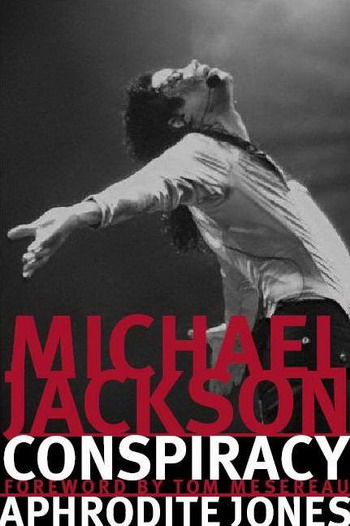
Larry Nimmer: Maybe six months earlier, I saw Aphrodite Jones (the author of the book マイケル・ジャクソン Conspiracy in 2007). Her book is about a media conspiracy against Michael and how they made him look bad to get more money from him in advance. I thought it was a well-written book and a great person. I made a video to promote her second book, showing her and Thomas Mesereau signing the book, and I uploaded it to Youtube. I thought it would be good to promote that book.
 Then ideas for making a documentary came to me, and Aphrodite herself had also thought about it, but she hadn’t been able to move her idea forward. I wasn’t sure whether I was legally allowed to use the footage I had taken from Neverland. So I consulted my legal brother, and he told me that I could use them based on a set of legal principles. Then I started building the documentary using pieces of the footage. I really didn’t need to film more scenes; I just added some other things.
MJFC: Is the final version of your documentary ready?
Larry Nimmer: Right now I have a final version that is 40 minutes long. I could have made it longer, but we wanted to see whether a network would be willing to air it. I told all of them that if they wanted, I could make the documentary longer. But so far, every network I contacted either hasn’t decided yet or has rejected it. Aphrodite Jones had reached the same conclusion: if she made a documentary, nobody would buy it and many news agencies don’t want to show positive things about Michael. So maybe I’ll face the same reaction from the media. Of course, I know there are many people who think positively about Michael. In a few weeks, we’ll see. And if it’s not going to be aired on a network, then I’ll release it on DVD.
MJFC: Your documentary has been promoted as a Michael fan documentary. But in any case, especially after the disaster of Martin Bashir’s documentary (the insulting documentary Bashir made about Michael, and after which Bashir was chosen as the most hated figure of the year on British television), マイケル・ジャクソン fans are very alert and cautious about this kind of documentary film. Do you think fans will like your documentary?
Larry Nimmer: Yes, I think so. This documentary speaks for itself. I think Martin Bashir’s documentary also spoke for itself. I definitely have sympathy and compassion for Michael. I worked in his defense. I’m aware of what happened, from both the defense side and the prosecution side. But as the jury decided, the prosecution wasn’t very convincing. So I think fans will like this film. Fans probably would have liked me to include more scenes of his performances or interviews with him.
MJFC: Is it true that you used parts of Martin Bashir’s documentary in your film? What was the reason for that?
Larry Nimmer: During the trial, Thomas Mesereau asked me to edit the deleted scenes from Martin Bashir’s documentary and show that Martin Bashir in those scenes sympathizes with and agrees with Michael, but that he didn’t use them in his own documentary. The point was that Martin Bashir didn’t want to show Michael in the way he could have. That’s why I gained access to the deleted scenes from Martin Bashir’s film. These scenes were actually filmed by Michael’s personal cameraman (Hamid Mosahehi) with another camera. These weren’t professional scenes, because it seemed like the cameraman’s only intention was to record Michael’s statements.
MJFC: What can fans expect from your documentary that they haven’t seen or heard yet?
Larry Nimmer: In those deleted scenes, Michael talks about being famous, the consequences of it, and how people don’t treat him like an ordinary person. He talks about his loneliness and isolation. He talks about wanting to use the feeling of childhood in professional work. He talks about many things he has spoken about in other interviews. These are the topics he often talks about.
MJFC: Overall, what was your opinion of Gavin Arvizo and his family?
Larry Nimmer: It seemed like he really had cancer. They really were asking Michael for help. But then it seems they exploited him, and when they realized they couldn’t use Neverland or his credit cards the way they wanted to benefit themselves, they turned against him. It seems they made up those stories and were good actors—every child and their mother. In an interview video—which I think nobody has seen, but which was used in court—the Arvizo family praises Michael and says he is a great man and how much he helped them. But in court, they claimed that he had taken them hostage and the rest of those stories. So as it appears, they were all trying to trick Michael, and the media and the prosecution were so eager to equip their ammunition against Michael and portray him as a child molester that it caused everyone to believe their story.
MJFC: Do you think Michael is simply being attacked and exploited?
Larry Nimmer: Yes, I think so. All famous people are attacked and exploited easily—especially those who are strange. I believe Michael is a strange person. But I don’t think his strangeness is a problem at all. In fact, I think he is energizing and refreshing in many ways. One of the things Michael says in these films is that during the case of Jerdy Chandler (his 13-year-old accuser in 1993), the reason he agreed to a financial settlement was that he didn’t want a court like O.J. Simpson’s to happen to him. But if we look at the past, we can see that a settlement was a bad idea, because it made others think they could get money this way. I don’t believe he is a child molester. But I think because of the settlement in that case, he became more exposed to extortion by people.
MJFC: Many fans consider prosecutor Tom Sneddon the main cause of this case and the trial against Michael. Do you agree with them?
Larry Nimmer: I think the original source of this case was the Arvizo family. Probably Jannet Arvizo (the mother), or maybe Jannet and Gavin. Maybe when they met with their lawyer and psychologist, they found the courage to raise this issue and they also believed the story themselves. Then they sparked it. Tom Sneddon was also looking for evidence against Michael, and that’s how he got involved. I don’t know whether he was the original source of the whole thing, but he definitely fanned the flames.
MJFC: Do you think your documentary has the power to change people’s minds about these events and about Michael?
Larry Nimmer: Most of the people I showed this film to said that after watching it, they had a different opinion about the trial and about マイケル・ジャクソン. Most people have been convinced that the Arvizo family story was false. I think this film will definitely change people’s opinions about this family, and I’ve also heard that people have changed their views about the Chandler family as well. My documentary also examines the claims made by that family, and I analyze those claims too. People who have seen this film think those accusations were also fabricated. I think this documentary might change the picture people have of Michael and his accusations in their minds.
MJFC: What do you think about Michael’s concerts in London? Apparently, your documentary and these concerts have been happening at the same time.
Larry Nimmer: I think it’s amazing that he is putting on these concerts. For me, it’s good luck that this documentary is happening at the same time as them. I have to say that I feel guilty that I’m using マイケル・ジャクソン’s name for this documentary. Just like many others have used his name. Even the Arvizo and Chandler families. That’s why I feel guilty about using his name and maybe making money too. To be honest, I’m thinking of donating 10% of the profits to マイケル・ジャクソン’s charitable foundations. So I have mixed feelings about benefiting from him. But I think it’s great that he’s performing again. And the pure truth is that all the tickets for these concerts sold out by the end, and he still has a legendary fortress of fans.
For me, it was very interesting that, in the past week, since the news about this documentary was released and other blogs also wrote about it, it was fascinating for me that I received calls from all over the world from people who sympathized with Michael and were eager to hear my story. People from Iran, Norway, Italy, Scotland, France, and the United States contacted me. It’s really interesting what a strong fan base he has. And I think it’s because of the message he carries about love, peace, respecting children, and the nature of childhood.
I think it’s incredible. We’ll see how he handles all those concerts he’s going to perform, because I think he has a delicate body. But on the other hand, he has performed many shows in the past, and I’ve heard in his interviews how much he enjoys performing and how comfortable and calm he feels on stage. I think it’s a good idea, and it will be interesting to see how these shows go, who will perform with him, and which songs he will sing.
MJFC: Are you planning to do other projects related to マイケル・ジャクソン?
Larry Nimmer: I’d like to make a documentary about マイケル・ジャクソン’s fans around the world—how people in different cultures see him, and how his voice resonates in different places and cultures. Maybe one day I’ll make another documentary about him and his music, not about his court issues. But I don’t have any specific plans yet. Right now I’m involved in other documentaries.
Larry Nimmer told MJFC that he wants to allow fans around the world to publish their messages in his documentary, which will probably be released on DVD. MJFC promised that if Mr. Nimmer decides to do this, they will inform fans so they can send their messages for Michael to Larry Nimmer for inclusion in the DVD.
Source: eMJey / Larry Nimmer, MJFC-USA
Then ideas for making a documentary came to me, and Aphrodite herself had also thought about it, but she hadn’t been able to move her idea forward. I wasn’t sure whether I was legally allowed to use the footage I had taken from Neverland. So I consulted my legal brother, and he told me that I could use them based on a set of legal principles. Then I started building the documentary using pieces of the footage. I really didn’t need to film more scenes; I just added some other things.
MJFC: Is the final version of your documentary ready?
Larry Nimmer: Right now I have a final version that is 40 minutes long. I could have made it longer, but we wanted to see whether a network would be willing to air it. I told all of them that if they wanted, I could make the documentary longer. But so far, every network I contacted either hasn’t decided yet or has rejected it. Aphrodite Jones had reached the same conclusion: if she made a documentary, nobody would buy it and many news agencies don’t want to show positive things about Michael. So maybe I’ll face the same reaction from the media. Of course, I know there are many people who think positively about Michael. In a few weeks, we’ll see. And if it’s not going to be aired on a network, then I’ll release it on DVD.
MJFC: Your documentary has been promoted as a Michael fan documentary. But in any case, especially after the disaster of Martin Bashir’s documentary (the insulting documentary Bashir made about Michael, and after which Bashir was chosen as the most hated figure of the year on British television), マイケル・ジャクソン fans are very alert and cautious about this kind of documentary film. Do you think fans will like your documentary?
Larry Nimmer: Yes, I think so. This documentary speaks for itself. I think Martin Bashir’s documentary also spoke for itself. I definitely have sympathy and compassion for Michael. I worked in his defense. I’m aware of what happened, from both the defense side and the prosecution side. But as the jury decided, the prosecution wasn’t very convincing. So I think fans will like this film. Fans probably would have liked me to include more scenes of his performances or interviews with him.
MJFC: Is it true that you used parts of Martin Bashir’s documentary in your film? What was the reason for that?
Larry Nimmer: During the trial, Thomas Mesereau asked me to edit the deleted scenes from Martin Bashir’s documentary and show that Martin Bashir in those scenes sympathizes with and agrees with Michael, but that he didn’t use them in his own documentary. The point was that Martin Bashir didn’t want to show Michael in the way he could have. That’s why I gained access to the deleted scenes from Martin Bashir’s film. These scenes were actually filmed by Michael’s personal cameraman (Hamid Mosahehi) with another camera. These weren’t professional scenes, because it seemed like the cameraman’s only intention was to record Michael’s statements.
MJFC: What can fans expect from your documentary that they haven’t seen or heard yet?
Larry Nimmer: In those deleted scenes, Michael talks about being famous, the consequences of it, and how people don’t treat him like an ordinary person. He talks about his loneliness and isolation. He talks about wanting to use the feeling of childhood in professional work. He talks about many things he has spoken about in other interviews. These are the topics he often talks about.
MJFC: Overall, what was your opinion of Gavin Arvizo and his family?
Larry Nimmer: It seemed like he really had cancer. They really were asking Michael for help. But then it seems they exploited him, and when they realized they couldn’t use Neverland or his credit cards the way they wanted to benefit themselves, they turned against him. It seems they made up those stories and were good actors—every child and their mother. In an interview video—which I think nobody has seen, but which was used in court—the Arvizo family praises Michael and says he is a great man and how much he helped them. But in court, they claimed that he had taken them hostage and the rest of those stories. So as it appears, they were all trying to trick Michael, and the media and the prosecution were so eager to equip their ammunition against Michael and portray him as a child molester that it caused everyone to believe their story.
MJFC: Do you think Michael is simply being attacked and exploited?
Larry Nimmer: Yes, I think so. All famous people are attacked and exploited easily—especially those who are strange. I believe Michael is a strange person. But I don’t think his strangeness is a problem at all. In fact, I think he is energizing and refreshing in many ways. One of the things Michael says in these films is that during the case of Jerdy Chandler (his 13-year-old accuser in 1993), the reason he agreed to a financial settlement was that he didn’t want a court like O.J. Simpson’s to happen to him. But if we look at the past, we can see that a settlement was a bad idea, because it made others think they could get money this way. I don’t believe he is a child molester. But I think because of the settlement in that case, he became more exposed to extortion by people.
MJFC: Many fans consider prosecutor Tom Sneddon the main cause of this case and the trial against Michael. Do you agree with them?
Larry Nimmer: I think the original source of this case was the Arvizo family. Probably Jannet Arvizo (the mother), or maybe Jannet and Gavin. Maybe when they met with their lawyer and psychologist, they found the courage to raise this issue and they also believed the story themselves. Then they sparked it. Tom Sneddon was also looking for evidence against Michael, and that’s how he got involved. I don’t know whether he was the original source of the whole thing, but he definitely fanned the flames.
MJFC: Do you think your documentary has the power to change people’s minds about these events and about Michael?
Larry Nimmer: Most of the people I showed this film to said that after watching it, they had a different opinion about the trial and about マイケル・ジャクソン. Most people have been convinced that the Arvizo family story was false. I think this film will definitely change people’s opinions about this family, and I’ve also heard that people have changed their views about the Chandler family as well. My documentary also examines the claims made by that family, and I analyze those claims too. People who have seen this film think those accusations were also fabricated. I think this documentary might change the picture people have of Michael and his accusations in their minds.
MJFC: What do you think about Michael’s concerts in London? Apparently, your documentary and these concerts have been happening at the same time.
Larry Nimmer: I think it’s amazing that he is putting on these concerts. For me, it’s good luck that this documentary is happening at the same time as them. I have to say that I feel guilty that I’m using マイケル・ジャクソン’s name for this documentary. Just like many others have used his name. Even the Arvizo and Chandler families. That’s why I feel guilty about using his name and maybe making money too. To be honest, I’m thinking of donating 10% of the profits to マイケル・ジャクソン’s charitable foundations. So I have mixed feelings about benefiting from him. But I think it’s great that he’s performing again. And the pure truth is that all the tickets for these concerts sold out by the end, and he still has a legendary fortress of fans.
For me, it was very interesting that, in the past week, since the news about this documentary was released and other blogs also wrote about it, it was fascinating for me that I received calls from all over the world from people who sympathized with Michael and were eager to hear my story. People from Iran, Norway, Italy, Scotland, France, and the United States contacted me. It’s really interesting what a strong fan base he has. And I think it’s because of the message he carries about love, peace, respecting children, and the nature of childhood.
I think it’s incredible. We’ll see how he handles all those concerts he’s going to perform, because I think he has a delicate body. But on the other hand, he has performed many shows in the past, and I’ve heard in his interviews how much he enjoys performing and how comfortable and calm he feels on stage. I think it’s a good idea, and it will be interesting to see how these shows go, who will perform with him, and which songs he will sing.
MJFC: Are you planning to do other projects related to マイケル・ジャクソン?
Larry Nimmer: I’d like to make a documentary about マイケル・ジャクソン’s fans around the world—how people in different cultures see him, and how his voice resonates in different places and cultures. Maybe one day I’ll make another documentary about him and his music, not about his court issues. But I don’t have any specific plans yet. Right now I’m involved in other documentaries.
Larry Nimmer told MJFC that he wants to allow fans around the world to publish their messages in his documentary, which will probably be released on DVD. MJFC promised that if Mr. Nimmer decides to do this, they will inform fans so they can send their messages for Michael to Larry Nimmer for inclusion in the DVD.
Source: eMJey / Larry Nimmer, MJFC-USA
アーカイブから
関連記事
同じテーマやアーカイブの記事をもっと読む。
- ボランティアダンサーインタビュー 記事を読む
- バージニア大学がスリラーダンスの記録破りに挑戦 記事を読む
- マイケル・ジャクソン アセット展示会のビデオ 記事を読む
- マイケルのダンスオーディションの詳細 記事を読む
- レオナ・ルイス、マイケルとの共演を希望 記事を読む
- A ブリテンズ ゴット タレントでのマイケルの曲の美しいパフォーマンス 記事を読む
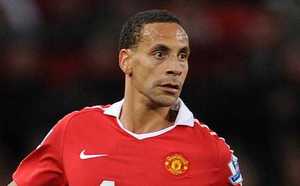
- Rリオ・フェルディナンドとマイケルをサポート 記事を読む
- スリラー ミュージカル拡張 記事を読む
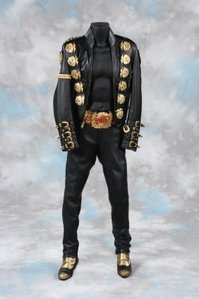
- BAD ツアー衣装がオークションに 記事を読む
- コンサートの詳細 記事を読む
- 音楽史上最高の男性アーティスト 記事を読む
- シアラの願い: マイケルのパフォーマンスを見ること 記事を読む