The Untold Story of Neverland (Part One)
Last month, on this same page, we had a story about a new documentary on Michael Jackson and his Neverland we had. This documentary is called "Michael Jackson: The Untold Story of Neverland" and it was produced by Larry Nimmer, who has a 30-year background in making entertaining and educational programs and has been nominated for the very important Emmy Award several times.
In 2005, Larry Nimmer was hired by the legal team defending Michael Jackson to take on a film that had been shown in 2003 after a police raid, and by the prosecution team, to make Neverland look bad to the jury. The documentary he was tasked with making would show the reality of Neverland, Michael’s former home. Nimmer’s job was to prevent the jury from forming an incorrect impression of Michael and Neverland based on that film, and to neutralize the prosecution team’s trick.
In 2005, the film Larry Nimmer made about Neverland was shown in court during the trial of Michael Jackson’s charges. The film highlighted contradictions in the statements made by Michael’s accuser’s family. After researching the accuser’s family life, Larry Nimmer found that they did not have a clean past. Besides the Arvizo family, Larry Nimmer also blames two other streams in the Michael case: the media and the head of the Santa Barbara court, the story of Thomas Sneddon.
At the moment, Larry Nimmer is looking for a network that is willing to air this documentary. He says the media does not want to cover positive news about Michael Jackson.
 Then ideas for making a documentary came to me, and Aphrodite herself had also thought about it, but she hadn’t been able to move her idea forward. I wasn’t sure whether I was legally allowed to use the footage I had taken from Neverland. So I consulted my legal brother, and he told me that I could use them based on a set of legal principles. Then I started building the documentary using pieces of the footage. I really didn’t need to film more scenes; I just added some other things.
MJFC: Is the final version of your documentary ready?
Larry Nimmer: Right now I have a final version that is 40 minutes long. I could have made it longer, but we wanted to see whether a network would be willing to air it. I told all of them that if they wanted, I could make the documentary longer. But so far, every network I contacted either hasn’t decided yet or has rejected it. Aphrodite Jones had reached the same conclusion: if she made a documentary, nobody would buy it and many news agencies don’t want to show positive things about Michael. So maybe I’ll face the same reaction from the media. Of course, I know there are many people who think positively about Michael. In a few weeks, we’ll see. And if it’s not going to be aired on a network, then I’ll release it on DVD.
MJFC: Your documentary has been promoted as a Michael fan documentary. But in any case, especially after the disaster of Martin Bashir’s documentary (the insulting documentary Bashir made about Michael, and after which Bashir was chosen as the most hated figure of the year on British television), Michael Jackson fans are very alert and cautious about this kind of documentary film. Do you think fans will like your documentary?
Larry Nimmer: Yes, I think so. This documentary speaks for itself. I think Martin Bashir’s documentary also spoke for itself. I definitely have sympathy and compassion for Michael. I worked in his defense. I’m aware of what happened, from both the defense side and the prosecution side. But as the jury decided, the prosecution wasn’t very convincing. So I think fans will like this film. Fans probably would have liked me to include more scenes of his performances or interviews with him.
MJFC: Is it true that you used parts of Martin Bashir’s documentary in your film? What was the reason for that?
Larry Nimmer: During the trial, Thomas Mesereau asked me to edit the deleted scenes from Martin Bashir’s documentary and show that Martin Bashir in those scenes sympathizes with and agrees with Michael, but that he didn’t use them in his own documentary. The point was that Martin Bashir didn’t want to show Michael in the way he could have. That’s why I gained access to the deleted scenes from Martin Bashir’s film. These scenes were actually filmed by Michael’s personal cameraman (Hamid Mosahehi) with another camera. These weren’t professional scenes, because it seemed like the cameraman’s only intention was to record Michael’s statements.
MJFC: What can fans expect from your documentary that they haven’t seen or heard yet?
Larry Nimmer: In those deleted scenes, Michael talks about being famous, the consequences of it, and how people don’t treat him like an ordinary person. He talks about his loneliness and isolation. He talks about wanting to use the feeling of childhood in professional work. He talks about many things he has spoken about in other interviews. These are the topics he often talks about.
MJFC: Overall, what was your opinion of Gavin Arvizo and his family?
Larry Nimmer: It seemed like he really had cancer. They really were asking Michael for help. But then it seems they exploited him, and when they realized they couldn’t use Neverland or his credit cards the way they wanted to benefit themselves, they turned against him. It seems they made up those stories and were good actors—every child and their mother. In an interview video—which I think nobody has seen, but which was used in court—the Arvizo family praises Michael and says he is a great man and how much he helped them. But in court, they claimed that he had taken them hostage and the rest of those stories. So as it appears, they were all trying to trick Michael, and the media and the prosecution were so eager to equip their ammunition against Michael and portray him as a child molester that it caused everyone to believe their story.
MJFC: Do you think Michael is simply being attacked and exploited?
Larry Nimmer: Yes, I think so. All famous people are attacked and exploited easily—especially those who are strange. I believe Michael is a strange person. But I don’t think his strangeness is a problem at all. In fact, I think he is energizing and refreshing in many ways. One of the things Michael says in these films is that during the case of Jerdy Chandler (his 13-year-old accuser in 1993), the reason he agreed to a financial settlement was that he didn’t want a court like O.J. Simpson’s to happen to him. But if we look at the past, we can see that a settlement was a bad idea, because it made others think they could get money this way. I don’t believe he is a child molester. But I think because of the settlement in that case, he became more exposed to extortion by people.
MJFC: Many fans consider prosecutor Tom Sneddon the main cause of this case and the trial against Michael. Do you agree with them?
Larry Nimmer: I think the original source of this case was the Arvizo family. Probably Jannet Arvizo (the mother), or maybe Jannet and Gavin. Maybe when they met with their lawyer and psychologist, they found the courage to raise this issue and they also believed the story themselves. Then they sparked it. Tom Sneddon was also looking for evidence against Michael, and that’s how he got involved. I don’t know whether he was the original source of the whole thing, but he definitely fanned the flames.
MJFC: Do you think your documentary has the power to change people’s minds about these events and about Michael?
Larry Nimmer: Most of the people I showed this film to said that after watching it, they had a different opinion about the trial and about Michael Jackson. Most people have been convinced that the Arvizo family story was false. I think this film will definitely change people’s opinions about this family, and I’ve also heard that people have changed their views about the Chandler family as well. My documentary also examines the claims made by that family, and I analyze those claims too. People who have seen this film think those accusations were also fabricated. I think this documentary might change the picture people have of Michael and his accusations in their minds.
MJFC: What do you think about Michael’s concerts in London? Apparently, your documentary and these concerts have been happening at the same time.
Larry Nimmer: I think it’s amazing that he is putting on these concerts. For me, it’s good luck that this documentary is happening at the same time as them. I have to say that I feel guilty that I’m using Michael Jackson’s name for this documentary. Just like many others have used his name. Even the Arvizo and Chandler families. That’s why I feel guilty about using his name and maybe making money too. To be honest, I’m thinking of donating 10% of the profits to Michael Jackson’s charitable foundations. So I have mixed feelings about benefiting from him. But I think it’s great that he’s performing again. And the pure truth is that all the tickets for these concerts sold out by the end, and he still has a legendary fortress of fans.
For me, it was very interesting that, in the past week, since the news about this documentary was released and other blogs also wrote about it, it was fascinating for me that I received calls from all over the world from people who sympathized with Michael and were eager to hear my story. People from Iran, Norway, Italy, Scotland, France, and the United States contacted me. It’s really interesting what a strong fan base he has. And I think it’s because of the message he carries about love, peace, respecting children, and the nature of childhood.
I think it’s incredible. We’ll see how he handles all those concerts he’s going to perform, because I think he has a delicate body. But on the other hand, he has performed many shows in the past, and I’ve heard in his interviews how much he enjoys performing and how comfortable and calm he feels on stage. I think it’s a good idea, and it will be interesting to see how these shows go, who will perform with him, and which songs he will sing.
MJFC: Are you planning to do other projects related to Michael Jackson?
Larry Nimmer: I’d like to make a documentary about Michael Jackson’s fans around the world—how people in different cultures see him, and how his voice resonates in different places and cultures. Maybe one day I’ll make another documentary about him and his music, not about his court issues. But I don’t have any specific plans yet. Right now I’m involved in other documentaries.
Larry Nimmer told MJFC that he wants to allow fans around the world to publish their messages in his documentary, which will probably be released on DVD. MJFC promised that if Mr. Nimmer decides to do this, they will inform fans so they can send their messages for Michael to Larry Nimmer for inclusion in the DVD.
Source: eMJey / Larry Nimmer, MJFC-USA
Then ideas for making a documentary came to me, and Aphrodite herself had also thought about it, but she hadn’t been able to move her idea forward. I wasn’t sure whether I was legally allowed to use the footage I had taken from Neverland. So I consulted my legal brother, and he told me that I could use them based on a set of legal principles. Then I started building the documentary using pieces of the footage. I really didn’t need to film more scenes; I just added some other things.
MJFC: Is the final version of your documentary ready?
Larry Nimmer: Right now I have a final version that is 40 minutes long. I could have made it longer, but we wanted to see whether a network would be willing to air it. I told all of them that if they wanted, I could make the documentary longer. But so far, every network I contacted either hasn’t decided yet or has rejected it. Aphrodite Jones had reached the same conclusion: if she made a documentary, nobody would buy it and many news agencies don’t want to show positive things about Michael. So maybe I’ll face the same reaction from the media. Of course, I know there are many people who think positively about Michael. In a few weeks, we’ll see. And if it’s not going to be aired on a network, then I’ll release it on DVD.
MJFC: Your documentary has been promoted as a Michael fan documentary. But in any case, especially after the disaster of Martin Bashir’s documentary (the insulting documentary Bashir made about Michael, and after which Bashir was chosen as the most hated figure of the year on British television), Michael Jackson fans are very alert and cautious about this kind of documentary film. Do you think fans will like your documentary?
Larry Nimmer: Yes, I think so. This documentary speaks for itself. I think Martin Bashir’s documentary also spoke for itself. I definitely have sympathy and compassion for Michael. I worked in his defense. I’m aware of what happened, from both the defense side and the prosecution side. But as the jury decided, the prosecution wasn’t very convincing. So I think fans will like this film. Fans probably would have liked me to include more scenes of his performances or interviews with him.
MJFC: Is it true that you used parts of Martin Bashir’s documentary in your film? What was the reason for that?
Larry Nimmer: During the trial, Thomas Mesereau asked me to edit the deleted scenes from Martin Bashir’s documentary and show that Martin Bashir in those scenes sympathizes with and agrees with Michael, but that he didn’t use them in his own documentary. The point was that Martin Bashir didn’t want to show Michael in the way he could have. That’s why I gained access to the deleted scenes from Martin Bashir’s film. These scenes were actually filmed by Michael’s personal cameraman (Hamid Mosahehi) with another camera. These weren’t professional scenes, because it seemed like the cameraman’s only intention was to record Michael’s statements.
MJFC: What can fans expect from your documentary that they haven’t seen or heard yet?
Larry Nimmer: In those deleted scenes, Michael talks about being famous, the consequences of it, and how people don’t treat him like an ordinary person. He talks about his loneliness and isolation. He talks about wanting to use the feeling of childhood in professional work. He talks about many things he has spoken about in other interviews. These are the topics he often talks about.
MJFC: Overall, what was your opinion of Gavin Arvizo and his family?
Larry Nimmer: It seemed like he really had cancer. They really were asking Michael for help. But then it seems they exploited him, and when they realized they couldn’t use Neverland or his credit cards the way they wanted to benefit themselves, they turned against him. It seems they made up those stories and were good actors—every child and their mother. In an interview video—which I think nobody has seen, but which was used in court—the Arvizo family praises Michael and says he is a great man and how much he helped them. But in court, they claimed that he had taken them hostage and the rest of those stories. So as it appears, they were all trying to trick Michael, and the media and the prosecution were so eager to equip their ammunition against Michael and portray him as a child molester that it caused everyone to believe their story.
MJFC: Do you think Michael is simply being attacked and exploited?
Larry Nimmer: Yes, I think so. All famous people are attacked and exploited easily—especially those who are strange. I believe Michael is a strange person. But I don’t think his strangeness is a problem at all. In fact, I think he is energizing and refreshing in many ways. One of the things Michael says in these films is that during the case of Jerdy Chandler (his 13-year-old accuser in 1993), the reason he agreed to a financial settlement was that he didn’t want a court like O.J. Simpson’s to happen to him. But if we look at the past, we can see that a settlement was a bad idea, because it made others think they could get money this way. I don’t believe he is a child molester. But I think because of the settlement in that case, he became more exposed to extortion by people.
MJFC: Many fans consider prosecutor Tom Sneddon the main cause of this case and the trial against Michael. Do you agree with them?
Larry Nimmer: I think the original source of this case was the Arvizo family. Probably Jannet Arvizo (the mother), or maybe Jannet and Gavin. Maybe when they met with their lawyer and psychologist, they found the courage to raise this issue and they also believed the story themselves. Then they sparked it. Tom Sneddon was also looking for evidence against Michael, and that’s how he got involved. I don’t know whether he was the original source of the whole thing, but he definitely fanned the flames.
MJFC: Do you think your documentary has the power to change people’s minds about these events and about Michael?
Larry Nimmer: Most of the people I showed this film to said that after watching it, they had a different opinion about the trial and about Michael Jackson. Most people have been convinced that the Arvizo family story was false. I think this film will definitely change people’s opinions about this family, and I’ve also heard that people have changed their views about the Chandler family as well. My documentary also examines the claims made by that family, and I analyze those claims too. People who have seen this film think those accusations were also fabricated. I think this documentary might change the picture people have of Michael and his accusations in their minds.
MJFC: What do you think about Michael’s concerts in London? Apparently, your documentary and these concerts have been happening at the same time.
Larry Nimmer: I think it’s amazing that he is putting on these concerts. For me, it’s good luck that this documentary is happening at the same time as them. I have to say that I feel guilty that I’m using Michael Jackson’s name for this documentary. Just like many others have used his name. Even the Arvizo and Chandler families. That’s why I feel guilty about using his name and maybe making money too. To be honest, I’m thinking of donating 10% of the profits to Michael Jackson’s charitable foundations. So I have mixed feelings about benefiting from him. But I think it’s great that he’s performing again. And the pure truth is that all the tickets for these concerts sold out by the end, and he still has a legendary fortress of fans.
For me, it was very interesting that, in the past week, since the news about this documentary was released and other blogs also wrote about it, it was fascinating for me that I received calls from all over the world from people who sympathized with Michael and were eager to hear my story. People from Iran, Norway, Italy, Scotland, France, and the United States contacted me. It’s really interesting what a strong fan base he has. And I think it’s because of the message he carries about love, peace, respecting children, and the nature of childhood.
I think it’s incredible. We’ll see how he handles all those concerts he’s going to perform, because I think he has a delicate body. But on the other hand, he has performed many shows in the past, and I’ve heard in his interviews how much he enjoys performing and how comfortable and calm he feels on stage. I think it’s a good idea, and it will be interesting to see how these shows go, who will perform with him, and which songs he will sing.
MJFC: Are you planning to do other projects related to Michael Jackson?
Larry Nimmer: I’d like to make a documentary about Michael Jackson’s fans around the world—how people in different cultures see him, and how his voice resonates in different places and cultures. Maybe one day I’ll make another documentary about him and his music, not about his court issues. But I don’t have any specific plans yet. Right now I’m involved in other documentaries.
Larry Nimmer told MJFC that he wants to allow fans around the world to publish their messages in his documentary, which will probably be released on DVD. MJFC promised that if Mr. Nimmer decides to do this, they will inform fans so they can send their messages for Michael to Larry Nimmer for inclusion in the DVD.
Source: eMJey / Larry Nimmer, MJFC-USA
----------------------------------------------
A few days ago, the U.S. Michael Jackson fan site MJFC conducted an interview with Larry Nimmer, and you can read the full translated text below:
MJFC: Mr. Nimmer, how did you end up being responsible for filming Neverland during the 2005 trial?
Larry Nimmer: In my profession, besides making music clips and documentary films, I also produced films and computer animations for lawyers to be shown in court. Bob Sanger was the first person who contacted me from the defense legal team. He knew about my expertise in this area and hired me. And then, when Thomas Mesereau (Michael’s lead attorney) was added to the team, Bob told Tom everything he knew about me, and then I met with Tom and started working for him.
MJFC: What were the main differences between the film you made of Neverland and the film made by the prosecution team?
Larry Nimmer: In their film, the camera is constantly shaking, it moves around to corners and all over, and it wants to make everything look mysterious—almost like the mysterious atmosphere of a murder scene. And many of the rooms are messy and chaotic, and it’s unclear whether this was done by the officers or whether it had been like that from the beginning. What I know is that when I went to Neverland, everything was clean and orderly. So that’s one of the differences between the two films. In short, their film portrayed the house as if it could be a place of crime and violence. But in my film, this house is shown as a fun and beautiful place.
MJFC: During the times you were filming at Neverland, did you have any encounters with Michael?
Larry Nimmer: No. The funny thing is that when I was filming there—around a week—he was living there as well. But I never saw him there. The property is very large, and I think the staff felt there was no need for him to be present in my film. They had gotten permission from him for his presence for my filming at Neverland, so I didn’t meet him myself.
When I went to Neverland a few times at night to film, I was told to make sure the light from the car headlights didn’t fall into the guest rooms. My understanding was that after the police officers destroyed his bedroom in his home at Neverland, Michael was living in the guest room. He didn’t want to go back to his own room. I was aware of his presence. And once again, when I went there near sunset, I saw that a lot of people were busy with dinner and gathered around a dining table. From the outside it was visible, but I didn’t want to stare and upset him, so I just drove past.
And then I met him in court. I saw him in the courthouse hallway and nodded my head to greet him a few times. And then in court, when I was giving testimony, I sat in front of him. He was there and he was looking at me.
MJFC: What did it feel like to be in Michael Jackson’s presence?
Larry Nimmer: I was surprised that he was taller than I thought. He seemed more normal and ordinary than what I had imagined. It seemed to me like he had plastic surgery, but he looked like a normal person. As I thought, he wasn’t acting or performing for sales. He was just a normal guy.
At first, before I went in to testify, I saw him from inside the courtroom waiting area. A scout with medals on his jacket was standing outside. Then I thought maybe a military person had come to court. I walked toward the window and saw Michael Jackson. Then I left the waiting room, waited in the hallway, and when he came out of the restroom, I greeted him.
He didn’t say anything and had his own quiet moment. I went into that quiet area once. He had a picnic basket and some other items there. I think he went into that room before going into the courtroom. It was a small room—maybe just a little bigger than a storage closet.
MJFC: How do you think Michael coped with all that immense pressure he was under?
Larry Nimmer: I think it was exactly like people imagine. I think coping was difficult for him and it was wearing down his body and soul. When he went to court in his pajamas, he wasn’t in good shape, and the judge summoned him to court. I think it was truly hard for him. But in the end, he managed to stand on his feet, even though it showed the pressure he was enduring.
At the end of the trial, exactly after the announcement of his acquittal, one of the assistants of the lawyers told me that maybe Michael would hold a thank-you party for the legal team. I was waiting for that celebration, but it didn’t happen. And I think he had emotionally broken down so much that he had to go into hibernation and couldn’t handle facing these issues anymore.
I think it must have been very hard and difficult for him, and I understand why. If he had been found guilty, he would have been sent to prison. And given the way he lived, it would have been extremely unbearable for him—especially if he had been thrown into prison while innocent. That would have been truly miserable and dark.
MJFC: How was your testimony in court?
Larry Nimmer: I testified about a few points. The lawyers asked me to film Neverland to show what it was like there from the perspective of a tourist. The lawyers wanted to take the jury members to Neverland so they could see it themselves. But the judge didn’t allow it, so my film was shown in court. In court, when the film was played, someone had to stand at the stand and provide explanations about it. The film had no sound, and I was saying sentences like, "This is the guard shack" or "This is the west or east side." One of the things I testified about was the warning bell that was installed in the hallway leading to Michael’s bedroom at Neverland. Star Arvizo (Gavin’s brother, the teenage accuser) said that he went up the stairs toward Michael’s room and saw Michael and his brother Gavin in the room. (He testified in court that he saw Michael molesting his brother in the room.) The lawyers believed that if Star had really taken that route, the warning bell would definitely have rung loudly (and it didn’t), because there are bells in that location that ring as soon as people pass by.
I conducted a warning bell test. I set up the camera and asked a female maid to walk through that path. In court, the jury members were able to hear the warning bell. That way, it would always be known if someone got close to Michael’s room.
I testified for two days because I couldn’t finish my work on the first day. On the second day, Larry King also came to testify, but the judge didn’t allow it.
MJFC: How did the idea of turning these films into the documentary "Michael Jackson: The Untold Story of Neverland" come about?
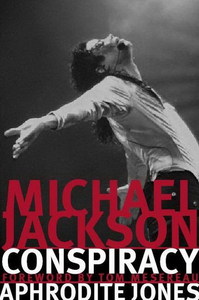
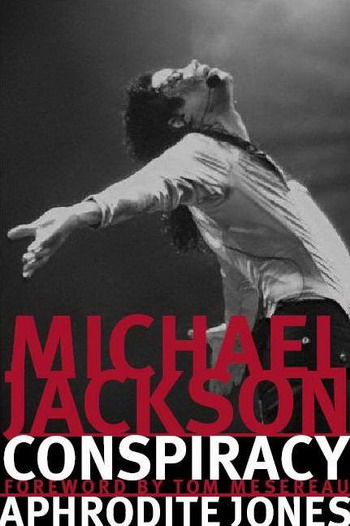
Larry Nimmer: Maybe six months earlier, I saw Aphrodite Jones (the author of the book Michael Jackson Conspiracy in 2007). Her book is about a media conspiracy against Michael and how they made him look bad to get more money from him in advance. I thought it was a well-written book and a great person. I made a video to promote her second book, showing her and Thomas Mesereau signing the book, and I uploaded it to Youtube. I thought it would be good to promote that book.
 Then ideas for making a documentary came to me, and Aphrodite herself had also thought about it, but she hadn’t been able to move her idea forward. I wasn’t sure whether I was legally allowed to use the footage I had taken from Neverland. So I consulted my legal brother, and he told me that I could use them based on a set of legal principles. Then I started building the documentary using pieces of the footage. I really didn’t need to film more scenes; I just added some other things.
MJFC: Is the final version of your documentary ready?
Larry Nimmer: Right now I have a final version that is 40 minutes long. I could have made it longer, but we wanted to see whether a network would be willing to air it. I told all of them that if they wanted, I could make the documentary longer. But so far, every network I contacted either hasn’t decided yet or has rejected it. Aphrodite Jones had reached the same conclusion: if she made a documentary, nobody would buy it and many news agencies don’t want to show positive things about Michael. So maybe I’ll face the same reaction from the media. Of course, I know there are many people who think positively about Michael. In a few weeks, we’ll see. And if it’s not going to be aired on a network, then I’ll release it on DVD.
MJFC: Your documentary has been promoted as a Michael fan documentary. But in any case, especially after the disaster of Martin Bashir’s documentary (the insulting documentary Bashir made about Michael, and after which Bashir was chosen as the most hated figure of the year on British television), Michael Jackson fans are very alert and cautious about this kind of documentary film. Do you think fans will like your documentary?
Larry Nimmer: Yes, I think so. This documentary speaks for itself. I think Martin Bashir’s documentary also spoke for itself. I definitely have sympathy and compassion for Michael. I worked in his defense. I’m aware of what happened, from both the defense side and the prosecution side. But as the jury decided, the prosecution wasn’t very convincing. So I think fans will like this film. Fans probably would have liked me to include more scenes of his performances or interviews with him.
MJFC: Is it true that you used parts of Martin Bashir’s documentary in your film? What was the reason for that?
Larry Nimmer: During the trial, Thomas Mesereau asked me to edit the deleted scenes from Martin Bashir’s documentary and show that Martin Bashir in those scenes sympathizes with and agrees with Michael, but that he didn’t use them in his own documentary. The point was that Martin Bashir didn’t want to show Michael in the way he could have. That’s why I gained access to the deleted scenes from Martin Bashir’s film. These scenes were actually filmed by Michael’s personal cameraman (Hamid Mosahehi) with another camera. These weren’t professional scenes, because it seemed like the cameraman’s only intention was to record Michael’s statements.
MJFC: What can fans expect from your documentary that they haven’t seen or heard yet?
Larry Nimmer: In those deleted scenes, Michael talks about being famous, the consequences of it, and how people don’t treat him like an ordinary person. He talks about his loneliness and isolation. He talks about wanting to use the feeling of childhood in professional work. He talks about many things he has spoken about in other interviews. These are the topics he often talks about.
MJFC: Overall, what was your opinion of Gavin Arvizo and his family?
Larry Nimmer: It seemed like he really had cancer. They really were asking Michael for help. But then it seems they exploited him, and when they realized they couldn’t use Neverland or his credit cards the way they wanted to benefit themselves, they turned against him. It seems they made up those stories and were good actors—every child and their mother. In an interview video—which I think nobody has seen, but which was used in court—the Arvizo family praises Michael and says he is a great man and how much he helped them. But in court, they claimed that he had taken them hostage and the rest of those stories. So as it appears, they were all trying to trick Michael, and the media and the prosecution were so eager to equip their ammunition against Michael and portray him as a child molester that it caused everyone to believe their story.
MJFC: Do you think Michael is simply being attacked and exploited?
Larry Nimmer: Yes, I think so. All famous people are attacked and exploited easily—especially those who are strange. I believe Michael is a strange person. But I don’t think his strangeness is a problem at all. In fact, I think he is energizing and refreshing in many ways. One of the things Michael says in these films is that during the case of Jerdy Chandler (his 13-year-old accuser in 1993), the reason he agreed to a financial settlement was that he didn’t want a court like O.J. Simpson’s to happen to him. But if we look at the past, we can see that a settlement was a bad idea, because it made others think they could get money this way. I don’t believe he is a child molester. But I think because of the settlement in that case, he became more exposed to extortion by people.
MJFC: Many fans consider prosecutor Tom Sneddon the main cause of this case and the trial against Michael. Do you agree with them?
Larry Nimmer: I think the original source of this case was the Arvizo family. Probably Jannet Arvizo (the mother), or maybe Jannet and Gavin. Maybe when they met with their lawyer and psychologist, they found the courage to raise this issue and they also believed the story themselves. Then they sparked it. Tom Sneddon was also looking for evidence against Michael, and that’s how he got involved. I don’t know whether he was the original source of the whole thing, but he definitely fanned the flames.
MJFC: Do you think your documentary has the power to change people’s minds about these events and about Michael?
Larry Nimmer: Most of the people I showed this film to said that after watching it, they had a different opinion about the trial and about Michael Jackson. Most people have been convinced that the Arvizo family story was false. I think this film will definitely change people’s opinions about this family, and I’ve also heard that people have changed their views about the Chandler family as well. My documentary also examines the claims made by that family, and I analyze those claims too. People who have seen this film think those accusations were also fabricated. I think this documentary might change the picture people have of Michael and his accusations in their minds.
MJFC: What do you think about Michael’s concerts in London? Apparently, your documentary and these concerts have been happening at the same time.
Larry Nimmer: I think it’s amazing that he is putting on these concerts. For me, it’s good luck that this documentary is happening at the same time as them. I have to say that I feel guilty that I’m using Michael Jackson’s name for this documentary. Just like many others have used his name. Even the Arvizo and Chandler families. That’s why I feel guilty about using his name and maybe making money too. To be honest, I’m thinking of donating 10% of the profits to Michael Jackson’s charitable foundations. So I have mixed feelings about benefiting from him. But I think it’s great that he’s performing again. And the pure truth is that all the tickets for these concerts sold out by the end, and he still has a legendary fortress of fans.
For me, it was very interesting that, in the past week, since the news about this documentary was released and other blogs also wrote about it, it was fascinating for me that I received calls from all over the world from people who sympathized with Michael and were eager to hear my story. People from Iran, Norway, Italy, Scotland, France, and the United States contacted me. It’s really interesting what a strong fan base he has. And I think it’s because of the message he carries about love, peace, respecting children, and the nature of childhood.
I think it’s incredible. We’ll see how he handles all those concerts he’s going to perform, because I think he has a delicate body. But on the other hand, he has performed many shows in the past, and I’ve heard in his interviews how much he enjoys performing and how comfortable and calm he feels on stage. I think it’s a good idea, and it will be interesting to see how these shows go, who will perform with him, and which songs he will sing.
MJFC: Are you planning to do other projects related to Michael Jackson?
Larry Nimmer: I’d like to make a documentary about Michael Jackson’s fans around the world—how people in different cultures see him, and how his voice resonates in different places and cultures. Maybe one day I’ll make another documentary about him and his music, not about his court issues. But I don’t have any specific plans yet. Right now I’m involved in other documentaries.
Larry Nimmer told MJFC that he wants to allow fans around the world to publish their messages in his documentary, which will probably be released on DVD. MJFC promised that if Mr. Nimmer decides to do this, they will inform fans so they can send their messages for Michael to Larry Nimmer for inclusion in the DVD.
Source: eMJey / Larry Nimmer, MJFC-USA
Then ideas for making a documentary came to me, and Aphrodite herself had also thought about it, but she hadn’t been able to move her idea forward. I wasn’t sure whether I was legally allowed to use the footage I had taken from Neverland. So I consulted my legal brother, and he told me that I could use them based on a set of legal principles. Then I started building the documentary using pieces of the footage. I really didn’t need to film more scenes; I just added some other things.
MJFC: Is the final version of your documentary ready?
Larry Nimmer: Right now I have a final version that is 40 minutes long. I could have made it longer, but we wanted to see whether a network would be willing to air it. I told all of them that if they wanted, I could make the documentary longer. But so far, every network I contacted either hasn’t decided yet or has rejected it. Aphrodite Jones had reached the same conclusion: if she made a documentary, nobody would buy it and many news agencies don’t want to show positive things about Michael. So maybe I’ll face the same reaction from the media. Of course, I know there are many people who think positively about Michael. In a few weeks, we’ll see. And if it’s not going to be aired on a network, then I’ll release it on DVD.
MJFC: Your documentary has been promoted as a Michael fan documentary. But in any case, especially after the disaster of Martin Bashir’s documentary (the insulting documentary Bashir made about Michael, and after which Bashir was chosen as the most hated figure of the year on British television), Michael Jackson fans are very alert and cautious about this kind of documentary film. Do you think fans will like your documentary?
Larry Nimmer: Yes, I think so. This documentary speaks for itself. I think Martin Bashir’s documentary also spoke for itself. I definitely have sympathy and compassion for Michael. I worked in his defense. I’m aware of what happened, from both the defense side and the prosecution side. But as the jury decided, the prosecution wasn’t very convincing. So I think fans will like this film. Fans probably would have liked me to include more scenes of his performances or interviews with him.
MJFC: Is it true that you used parts of Martin Bashir’s documentary in your film? What was the reason for that?
Larry Nimmer: During the trial, Thomas Mesereau asked me to edit the deleted scenes from Martin Bashir’s documentary and show that Martin Bashir in those scenes sympathizes with and agrees with Michael, but that he didn’t use them in his own documentary. The point was that Martin Bashir didn’t want to show Michael in the way he could have. That’s why I gained access to the deleted scenes from Martin Bashir’s film. These scenes were actually filmed by Michael’s personal cameraman (Hamid Mosahehi) with another camera. These weren’t professional scenes, because it seemed like the cameraman’s only intention was to record Michael’s statements.
MJFC: What can fans expect from your documentary that they haven’t seen or heard yet?
Larry Nimmer: In those deleted scenes, Michael talks about being famous, the consequences of it, and how people don’t treat him like an ordinary person. He talks about his loneliness and isolation. He talks about wanting to use the feeling of childhood in professional work. He talks about many things he has spoken about in other interviews. These are the topics he often talks about.
MJFC: Overall, what was your opinion of Gavin Arvizo and his family?
Larry Nimmer: It seemed like he really had cancer. They really were asking Michael for help. But then it seems they exploited him, and when they realized they couldn’t use Neverland or his credit cards the way they wanted to benefit themselves, they turned against him. It seems they made up those stories and were good actors—every child and their mother. In an interview video—which I think nobody has seen, but which was used in court—the Arvizo family praises Michael and says he is a great man and how much he helped them. But in court, they claimed that he had taken them hostage and the rest of those stories. So as it appears, they were all trying to trick Michael, and the media and the prosecution were so eager to equip their ammunition against Michael and portray him as a child molester that it caused everyone to believe their story.
MJFC: Do you think Michael is simply being attacked and exploited?
Larry Nimmer: Yes, I think so. All famous people are attacked and exploited easily—especially those who are strange. I believe Michael is a strange person. But I don’t think his strangeness is a problem at all. In fact, I think he is energizing and refreshing in many ways. One of the things Michael says in these films is that during the case of Jerdy Chandler (his 13-year-old accuser in 1993), the reason he agreed to a financial settlement was that he didn’t want a court like O.J. Simpson’s to happen to him. But if we look at the past, we can see that a settlement was a bad idea, because it made others think they could get money this way. I don’t believe he is a child molester. But I think because of the settlement in that case, he became more exposed to extortion by people.
MJFC: Many fans consider prosecutor Tom Sneddon the main cause of this case and the trial against Michael. Do you agree with them?
Larry Nimmer: I think the original source of this case was the Arvizo family. Probably Jannet Arvizo (the mother), or maybe Jannet and Gavin. Maybe when they met with their lawyer and psychologist, they found the courage to raise this issue and they also believed the story themselves. Then they sparked it. Tom Sneddon was also looking for evidence against Michael, and that’s how he got involved. I don’t know whether he was the original source of the whole thing, but he definitely fanned the flames.
MJFC: Do you think your documentary has the power to change people’s minds about these events and about Michael?
Larry Nimmer: Most of the people I showed this film to said that after watching it, they had a different opinion about the trial and about Michael Jackson. Most people have been convinced that the Arvizo family story was false. I think this film will definitely change people’s opinions about this family, and I’ve also heard that people have changed their views about the Chandler family as well. My documentary also examines the claims made by that family, and I analyze those claims too. People who have seen this film think those accusations were also fabricated. I think this documentary might change the picture people have of Michael and his accusations in their minds.
MJFC: What do you think about Michael’s concerts in London? Apparently, your documentary and these concerts have been happening at the same time.
Larry Nimmer: I think it’s amazing that he is putting on these concerts. For me, it’s good luck that this documentary is happening at the same time as them. I have to say that I feel guilty that I’m using Michael Jackson’s name for this documentary. Just like many others have used his name. Even the Arvizo and Chandler families. That’s why I feel guilty about using his name and maybe making money too. To be honest, I’m thinking of donating 10% of the profits to Michael Jackson’s charitable foundations. So I have mixed feelings about benefiting from him. But I think it’s great that he’s performing again. And the pure truth is that all the tickets for these concerts sold out by the end, and he still has a legendary fortress of fans.
For me, it was very interesting that, in the past week, since the news about this documentary was released and other blogs also wrote about it, it was fascinating for me that I received calls from all over the world from people who sympathized with Michael and were eager to hear my story. People from Iran, Norway, Italy, Scotland, France, and the United States contacted me. It’s really interesting what a strong fan base he has. And I think it’s because of the message he carries about love, peace, respecting children, and the nature of childhood.
I think it’s incredible. We’ll see how he handles all those concerts he’s going to perform, because I think he has a delicate body. But on the other hand, he has performed many shows in the past, and I’ve heard in his interviews how much he enjoys performing and how comfortable and calm he feels on stage. I think it’s a good idea, and it will be interesting to see how these shows go, who will perform with him, and which songs he will sing.
MJFC: Are you planning to do other projects related to Michael Jackson?
Larry Nimmer: I’d like to make a documentary about Michael Jackson’s fans around the world—how people in different cultures see him, and how his voice resonates in different places and cultures. Maybe one day I’ll make another documentary about him and his music, not about his court issues. But I don’t have any specific plans yet. Right now I’m involved in other documentaries.
Larry Nimmer told MJFC that he wants to allow fans around the world to publish their messages in his documentary, which will probably be released on DVD. MJFC promised that if Mr. Nimmer decides to do this, they will inform fans so they can send their messages for Michael to Larry Nimmer for inclusion in the DVD.
Source: eMJey / Larry Nimmer, MJFC-USA