Day 26 of Trial: Sentence Announced and Jackson Family Reacts (Video)
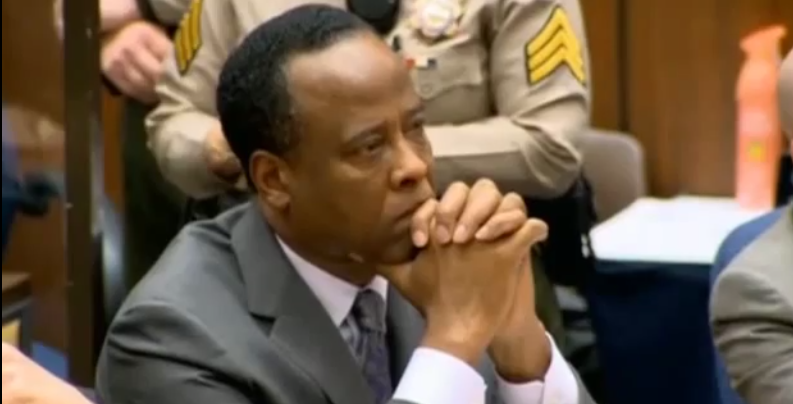
You know that on Tuesday, the fate of Conrad Murray—the involuntary manslaughter killer of Michael Jackson—was determined. The judge gave Murray four years in prison, which is the maximum penalty set by law for involuntary manslaughter. The head of the Los Angeles County Police said that under California’s new laws, people who commit crimes without violence may receive parole after serving half of their sentence. The judge did not mention such a possibility in his ruling, but the police chief said it is possible that Conrad Murray will spend only two of the four years in the Los Angeles County jail.
Outside the courthouse, Katherine Jackson told reporters that four years is not enough. However, she said the judge and the prosecutor did their jobs very well and she appreciated them.
Michael’s sister Latoya also said that although four years is not enough and justice was not served, prison is Conrad Murray’s right.
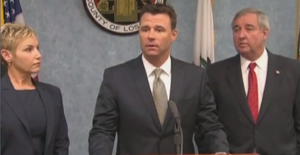 The prosecutor also said, after the end of the trial, at a press conference that he had been expecting the maximum sentence. He also thanked the Jackson family and praised their strength and endurance. In a video by Walgren, who has gained popularity with fans alongside his colleague Deborah Brazil, he said that during the investigation of this case, the Jackson family provided them with significant help. Walgren also praised Michael Jackson and said that during this time, through the Jackson family, he got to know Michael’s inner feelings, and that Michael is someone worthy of respect.
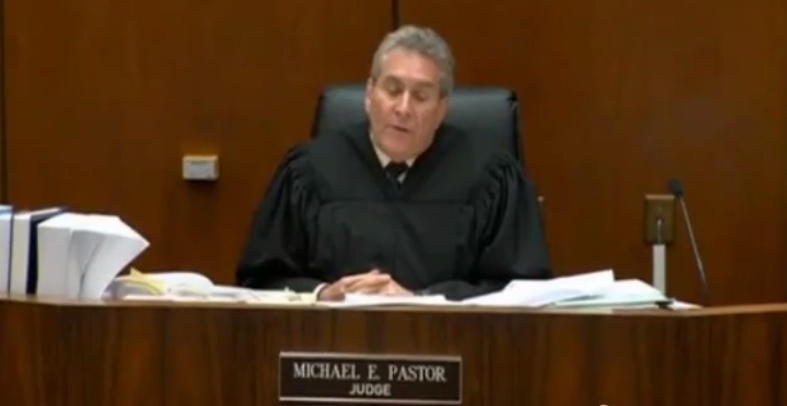
In court, Judge Michael Pastor had addressed Conrad Murray, the convicted offender, with the coldest labels: liar, irresponsible, traitor, unreliable, dangerous.
The prosecutor and the judge agreed that Murray, contrary to what his lawyers claimed, had no feelings of guilt about the death of his patient.
The documentary that Conrad Murray made in exchange for some money and presented on television as a weapon to show himself as innocent clearly backfired on him. In that documentary, he says he did nothing wrong and feels no remorse.
Explaining Murray’s punishment, the judge said:
“Dr. Murray left his patient—the one he had assured—behind. The patient was in a critical and sensitive condition at the time, and he had been injected with a medication that had the potential to be dangerous. Dr. Murray lied and tried to cover up his mistakes. He took advantage of the trust of the medical community, his colleagues, and his patient. He certainly has no feelings of guilt or remorse. He certainly does not feel that he made a mistake. That is why he is a danger to society. (Addressing Murray’s lawyers) You say he is a skilled doctor and a sensible man, and that in these years he has never made a mistake—this is not for me to decide. The truth remains that because of his actions, his patient died. I have no idea what could prevent him, in the future, if he were to treat and medicate people in the United States or abroad, from harming people and putting them at risk. I think Dr. Murray is very careless, and all the facts of the case show that, making this involuntary manslaughter case completely different from other involuntary manslaughter cases. The message of this punishment is that an experimental treatment method on people will never be tolerated. Mr. Jackson was a test subject for Dr. Murray. The fact that he (Michael) participated in this experiment does not justify Dr. Murray’s behavior. He should have made the right decision like other doctors, but he was trapped by money.”
The prosecutor also said, after the end of the trial, at a press conference that he had been expecting the maximum sentence. He also thanked the Jackson family and praised their strength and endurance. In a video by Walgren, who has gained popularity with fans alongside his colleague Deborah Brazil, he said that during the investigation of this case, the Jackson family provided them with significant help. Walgren also praised Michael Jackson and said that during this time, through the Jackson family, he got to know Michael’s inner feelings, and that Michael is someone worthy of respect.
In court, Judge Michael Pastor had addressed Conrad Murray, the convicted offender, with the coldest labels: liar, irresponsible, traitor, unreliable, dangerous.
The prosecutor and the judge agreed that Murray, contrary to what his lawyers claimed, had no feelings of guilt about the death of his patient.
The documentary that Conrad Murray made in exchange for some money and presented on television as a weapon to show himself as innocent clearly backfired on him. In that documentary, he says he did nothing wrong and feels no remorse.
Explaining Murray’s punishment, the judge said:
“Dr. Murray left his patient—the one he had assured—behind. The patient was in a critical and sensitive condition at the time, and he had been injected with a medication that had the potential to be dangerous. Dr. Murray lied and tried to cover up his mistakes. He took advantage of the trust of the medical community, his colleagues, and his patient. He certainly has no feelings of guilt or remorse. He certainly does not feel that he made a mistake. That is why he is a danger to society. (Addressing Murray’s lawyers) You say he is a skilled doctor and a sensible man, and that in these years he has never made a mistake—this is not for me to decide. The truth remains that because of his actions, his patient died. I have no idea what could prevent him, in the future, if he were to treat and medicate people in the United States or abroad, from harming people and putting them at risk. I think Dr. Murray is very careless, and all the facts of the case show that, making this involuntary manslaughter case completely different from other involuntary manslaughter cases. The message of this punishment is that an experimental treatment method on people will never be tolerated. Mr. Jackson was a test subject for Dr. Murray. The fact that he (Michael) participated in this experiment does not justify Dr. Murray’s behavior. He should have made the right decision like other doctors, but he was trapped by money.”
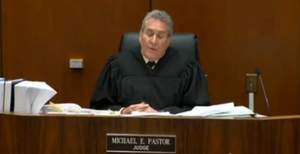 Regarding Murray recording Michael’s voice while he was under the influence of medication, the judge said:
“Why did he record his patient’s voice, and with what intention? This behavior is extremely insulting. He recorded his patient’s voice in the most sensitive circumstances and committed a terrible betrayal of his trust. Maybe his goal was to use this voice against Mr. Jackson later. Is this an ordinary mistake?”
The judge emphasized:
“Michael Jackson died—not by accident, but as a result of Dr. Murray’s decisions and actions.”
“Conrad Murray, for money, fame, and prestige, fell into drug-induced madness.”
Before announcing the sentence, the prosecutor said:
“His plan to commit this crime is proven. He ordered a large amount of propofol and stored it at his girlfriend’s house instead of in a pharmacy or treatment center. He did not record prescriptions or details of the treatment process. He used this drug for two months, and during that time he played Russian roulette with Michael’s life.
On the day in question, he left Michael alone while he was anesthetized. At the same time he was busy talking on the phone with his girlfriends, Michael died, and when Murray returned to the room he did nothing to help him. He spent time cleaning the room and collecting the drug vials. He had 20 minutes to call emergency services and he did not do it. He lied to the emergency doctors and to the Jackson family, saying he didn’t know what happened. Only after two days did he confess to the police about the propofol injection.
He committed the crime with cold-bloodedness. He did not have the medical equipment he needed. He had no assistant to help him. And when Michael Jackson was dying on the bed, he was calling his girlfriends. He did not keep any medical prescription records of his actions because he knew what he was doing was against the law and dangerous for Michael’s life.
Regarding Murray recording Michael’s voice while he was under the influence of medication, the judge said:
“Why did he record his patient’s voice, and with what intention? This behavior is extremely insulting. He recorded his patient’s voice in the most sensitive circumstances and committed a terrible betrayal of his trust. Maybe his goal was to use this voice against Mr. Jackson later. Is this an ordinary mistake?”
The judge emphasized:
“Michael Jackson died—not by accident, but as a result of Dr. Murray’s decisions and actions.”
“Conrad Murray, for money, fame, and prestige, fell into drug-induced madness.”
Before announcing the sentence, the prosecutor said:
“His plan to commit this crime is proven. He ordered a large amount of propofol and stored it at his girlfriend’s house instead of in a pharmacy or treatment center. He did not record prescriptions or details of the treatment process. He used this drug for two months, and during that time he played Russian roulette with Michael’s life.
On the day in question, he left Michael alone while he was anesthetized. At the same time he was busy talking on the phone with his girlfriends, Michael died, and when Murray returned to the room he did nothing to help him. He spent time cleaning the room and collecting the drug vials. He had 20 minutes to call emergency services and he did not do it. He lied to the emergency doctors and to the Jackson family, saying he didn’t know what happened. Only after two days did he confess to the police about the propofol injection.
He committed the crime with cold-bloodedness. He did not have the medical equipment he needed. He had no assistant to help him. And when Michael Jackson was dying on the bed, he was calling his girlfriends. He did not keep any medical prescription records of his actions because he knew what he was doing was against the law and dangerous for Michael’s life.
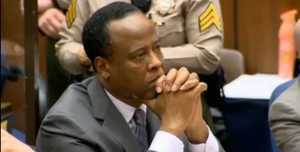 Nurse Lee said that Michael knew that as long as he was under care, no danger would threaten him. But Murray left him alone, and he died in bed. This negligence did not happen only that day—it occurred over a period of time. Murray cared not about Michael Jackson, but about himself.”
David Walgren also said that if Michael had lived and held the This Is It tour, he would have earned $100 million from it. Taking into account an interest rate of 10% for each year and the $1.8 million spent on the funeral ceremony, Murray would have to pay about $120 million in damages to Michael’s children.
In his remarks, the prosecutor noted that Katherine Jackson had told a court officer that she thinks about Michael every day. Michael is the first thing that comes to her mind every morning after waking up.
He quoted Katherine as saying that Paris had told her father: “I want to die with you.”
The prosecutor reminded everyone that on the first anniversary of Michael Jackson’s death, Conrad Murray went to Michael’s grave with the purpose of showing off, accompanied by a team of reporters and cameramen, to report on his presence at that location.
Murray’s defense attorney, speaking on behalf of his client who had refused to speak, said that Conrad Murray knew that during the two months leading up to Michael’s death he had made terrible mistakes and regretted them. But those words had no effect whatsoever on the judge.
In the next section, receive two image reports related to Tuesday.
Video of the judge’s remarks: Download
Video of the Jackson family’s and the prosecutor’s reaction to the announcement of the sentence: Download
Source: eMJey.com / ABC / CNN
Nurse Lee said that Michael knew that as long as he was under care, no danger would threaten him. But Murray left him alone, and he died in bed. This negligence did not happen only that day—it occurred over a period of time. Murray cared not about Michael Jackson, but about himself.”
David Walgren also said that if Michael had lived and held the This Is It tour, he would have earned $100 million from it. Taking into account an interest rate of 10% for each year and the $1.8 million spent on the funeral ceremony, Murray would have to pay about $120 million in damages to Michael’s children.
In his remarks, the prosecutor noted that Katherine Jackson had told a court officer that she thinks about Michael every day. Michael is the first thing that comes to her mind every morning after waking up.
He quoted Katherine as saying that Paris had told her father: “I want to die with you.”
The prosecutor reminded everyone that on the first anniversary of Michael Jackson’s death, Conrad Murray went to Michael’s grave with the purpose of showing off, accompanied by a team of reporters and cameramen, to report on his presence at that location.
Murray’s defense attorney, speaking on behalf of his client who had refused to speak, said that Conrad Murray knew that during the two months leading up to Michael’s death he had made terrible mistakes and regretted them. But those words had no effect whatsoever on the judge.
In the next section, receive two image reports related to Tuesday.
Video of the judge’s remarks: Download
Video of the Jackson family’s and the prosecutor’s reaction to the announcement of the sentence: Download
Source: eMJey.com / ABC / CNN
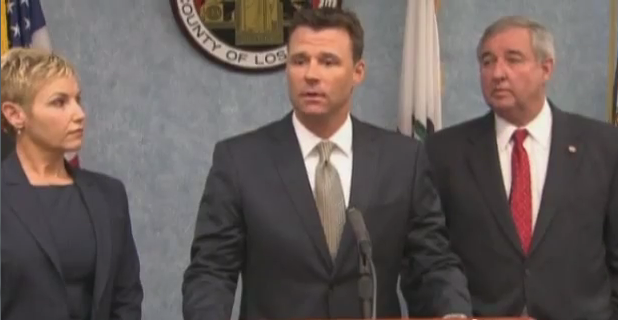 The prosecutor also said, after the end of the trial, at a press conference that he had been expecting the maximum sentence. He also thanked the Jackson family and praised their strength and endurance. In a video by Walgren, who has gained popularity with fans alongside his colleague Deborah Brazil, he said that during the investigation of this case, the Jackson family provided them with significant help. Walgren also praised Michael Jackson and said that during this time, through the Jackson family, he got to know Michael’s inner feelings, and that Michael is someone worthy of respect.
In court, Judge Michael Pastor had addressed Conrad Murray, the convicted offender, with the coldest labels: liar, irresponsible, traitor, unreliable, dangerous.
The prosecutor and the judge agreed that Murray, contrary to what his lawyers claimed, had no feelings of guilt about the death of his patient.
The documentary that Conrad Murray made in exchange for some money and presented on television as a weapon to show himself as innocent clearly backfired on him. In that documentary, he says he did nothing wrong and feels no remorse.
Explaining Murray’s punishment, the judge said:
“Dr. Murray left his patient—the one he had assured—behind. The patient was in a critical and sensitive condition at the time, and he had been injected with a medication that had the potential to be dangerous. Dr. Murray lied and tried to cover up his mistakes. He took advantage of the trust of the medical community, his colleagues, and his patient. He certainly has no feelings of guilt or remorse. He certainly does not feel that he made a mistake. That is why he is a danger to society. (Addressing Murray’s lawyers) You say he is a skilled doctor and a sensible man, and that in these years he has never made a mistake—this is not for me to decide. The truth remains that because of his actions, his patient died. I have no idea what could prevent him, in the future, if he were to treat and medicate people in the United States or abroad, from harming people and putting them at risk. I think Dr. Murray is very careless, and all the facts of the case show that, making this involuntary manslaughter case completely different from other involuntary manslaughter cases. The message of this punishment is that an experimental treatment method on people will never be tolerated. Mr. Jackson was a test subject for Dr. Murray. The fact that he (Michael) participated in this experiment does not justify Dr. Murray’s behavior. He should have made the right decision like other doctors, but he was trapped by money.”
The prosecutor also said, after the end of the trial, at a press conference that he had been expecting the maximum sentence. He also thanked the Jackson family and praised their strength and endurance. In a video by Walgren, who has gained popularity with fans alongside his colleague Deborah Brazil, he said that during the investigation of this case, the Jackson family provided them with significant help. Walgren also praised Michael Jackson and said that during this time, through the Jackson family, he got to know Michael’s inner feelings, and that Michael is someone worthy of respect.
In court, Judge Michael Pastor had addressed Conrad Murray, the convicted offender, with the coldest labels: liar, irresponsible, traitor, unreliable, dangerous.
The prosecutor and the judge agreed that Murray, contrary to what his lawyers claimed, had no feelings of guilt about the death of his patient.
The documentary that Conrad Murray made in exchange for some money and presented on television as a weapon to show himself as innocent clearly backfired on him. In that documentary, he says he did nothing wrong and feels no remorse.
Explaining Murray’s punishment, the judge said:
“Dr. Murray left his patient—the one he had assured—behind. The patient was in a critical and sensitive condition at the time, and he had been injected with a medication that had the potential to be dangerous. Dr. Murray lied and tried to cover up his mistakes. He took advantage of the trust of the medical community, his colleagues, and his patient. He certainly has no feelings of guilt or remorse. He certainly does not feel that he made a mistake. That is why he is a danger to society. (Addressing Murray’s lawyers) You say he is a skilled doctor and a sensible man, and that in these years he has never made a mistake—this is not for me to decide. The truth remains that because of his actions, his patient died. I have no idea what could prevent him, in the future, if he were to treat and medicate people in the United States or abroad, from harming people and putting them at risk. I think Dr. Murray is very careless, and all the facts of the case show that, making this involuntary manslaughter case completely different from other involuntary manslaughter cases. The message of this punishment is that an experimental treatment method on people will never be tolerated. Mr. Jackson was a test subject for Dr. Murray. The fact that he (Michael) participated in this experiment does not justify Dr. Murray’s behavior. He should have made the right decision like other doctors, but he was trapped by money.”
 Regarding Murray recording Michael’s voice while he was under the influence of medication, the judge said:
“Why did he record his patient’s voice, and with what intention? This behavior is extremely insulting. He recorded his patient’s voice in the most sensitive circumstances and committed a terrible betrayal of his trust. Maybe his goal was to use this voice against Mr. Jackson later. Is this an ordinary mistake?”
The judge emphasized:
“Michael Jackson died—not by accident, but as a result of Dr. Murray’s decisions and actions.”
“Conrad Murray, for money, fame, and prestige, fell into drug-induced madness.”
Before announcing the sentence, the prosecutor said:
“His plan to commit this crime is proven. He ordered a large amount of propofol and stored it at his girlfriend’s house instead of in a pharmacy or treatment center. He did not record prescriptions or details of the treatment process. He used this drug for two months, and during that time he played Russian roulette with Michael’s life.
On the day in question, he left Michael alone while he was anesthetized. At the same time he was busy talking on the phone with his girlfriends, Michael died, and when Murray returned to the room he did nothing to help him. He spent time cleaning the room and collecting the drug vials. He had 20 minutes to call emergency services and he did not do it. He lied to the emergency doctors and to the Jackson family, saying he didn’t know what happened. Only after two days did he confess to the police about the propofol injection.
He committed the crime with cold-bloodedness. He did not have the medical equipment he needed. He had no assistant to help him. And when Michael Jackson was dying on the bed, he was calling his girlfriends. He did not keep any medical prescription records of his actions because he knew what he was doing was against the law and dangerous for Michael’s life.
Regarding Murray recording Michael’s voice while he was under the influence of medication, the judge said:
“Why did he record his patient’s voice, and with what intention? This behavior is extremely insulting. He recorded his patient’s voice in the most sensitive circumstances and committed a terrible betrayal of his trust. Maybe his goal was to use this voice against Mr. Jackson later. Is this an ordinary mistake?”
The judge emphasized:
“Michael Jackson died—not by accident, but as a result of Dr. Murray’s decisions and actions.”
“Conrad Murray, for money, fame, and prestige, fell into drug-induced madness.”
Before announcing the sentence, the prosecutor said:
“His plan to commit this crime is proven. He ordered a large amount of propofol and stored it at his girlfriend’s house instead of in a pharmacy or treatment center. He did not record prescriptions or details of the treatment process. He used this drug for two months, and during that time he played Russian roulette with Michael’s life.
On the day in question, he left Michael alone while he was anesthetized. At the same time he was busy talking on the phone with his girlfriends, Michael died, and when Murray returned to the room he did nothing to help him. He spent time cleaning the room and collecting the drug vials. He had 20 minutes to call emergency services and he did not do it. He lied to the emergency doctors and to the Jackson family, saying he didn’t know what happened. Only after two days did he confess to the police about the propofol injection.
He committed the crime with cold-bloodedness. He did not have the medical equipment he needed. He had no assistant to help him. And when Michael Jackson was dying on the bed, he was calling his girlfriends. He did not keep any medical prescription records of his actions because he knew what he was doing was against the law and dangerous for Michael’s life.
 Nurse Lee said that Michael knew that as long as he was under care, no danger would threaten him. But Murray left him alone, and he died in bed. This negligence did not happen only that day—it occurred over a period of time. Murray cared not about Michael Jackson, but about himself.”
David Walgren also said that if Michael had lived and held the This Is It tour, he would have earned $100 million from it. Taking into account an interest rate of 10% for each year and the $1.8 million spent on the funeral ceremony, Murray would have to pay about $120 million in damages to Michael’s children.
In his remarks, the prosecutor noted that Katherine Jackson had told a court officer that she thinks about Michael every day. Michael is the first thing that comes to her mind every morning after waking up.
He quoted Katherine as saying that Paris had told her father: “I want to die with you.”
The prosecutor reminded everyone that on the first anniversary of Michael Jackson’s death, Conrad Murray went to Michael’s grave with the purpose of showing off, accompanied by a team of reporters and cameramen, to report on his presence at that location.
Murray’s defense attorney, speaking on behalf of his client who had refused to speak, said that Conrad Murray knew that during the two months leading up to Michael’s death he had made terrible mistakes and regretted them. But those words had no effect whatsoever on the judge.
In the next section, receive two image reports related to Tuesday.
Video of the judge’s remarks: Download
Video of the Jackson family’s and the prosecutor’s reaction to the announcement of the sentence: Download
Source: eMJey.com / ABC / CNN
Nurse Lee said that Michael knew that as long as he was under care, no danger would threaten him. But Murray left him alone, and he died in bed. This negligence did not happen only that day—it occurred over a period of time. Murray cared not about Michael Jackson, but about himself.”
David Walgren also said that if Michael had lived and held the This Is It tour, he would have earned $100 million from it. Taking into account an interest rate of 10% for each year and the $1.8 million spent on the funeral ceremony, Murray would have to pay about $120 million in damages to Michael’s children.
In his remarks, the prosecutor noted that Katherine Jackson had told a court officer that she thinks about Michael every day. Michael is the first thing that comes to her mind every morning after waking up.
He quoted Katherine as saying that Paris had told her father: “I want to die with you.”
The prosecutor reminded everyone that on the first anniversary of Michael Jackson’s death, Conrad Murray went to Michael’s grave with the purpose of showing off, accompanied by a team of reporters and cameramen, to report on his presence at that location.
Murray’s defense attorney, speaking on behalf of his client who had refused to speak, said that Conrad Murray knew that during the two months leading up to Michael’s death he had made terrible mistakes and regretted them. But those words had no effect whatsoever on the judge.
In the next section, receive two image reports related to Tuesday.
Video of the judge’s remarks: Download
Video of the Jackson family’s and the prosecutor’s reaction to the announcement of the sentence: Download
Source: eMJey.com / ABC / CNN