Billie Jean in Baghdad
By Kathryn Schulz
 I’m sitting in a dark movie theater in Damascus, Syria. It’s October 30, and This Is It, Michael Jackson’s film, has just been released around the world. After a month of traveling through the Middle East and filing a report on the situation of Iraqi refugees, I’m heading back to New York, my home. Over the years, nearly two million people in Iraq have fled the war—and nine of them are now sitting beside me. They’re between 19 and 25, but in terms of life experience, they’re 9 or 10 years older than me.
I’m sitting in this cinema, and Michael Jackson is on the screen. He sings, sliding his amazing feet. With his fingers, he catches invisible points in the air. He sings… “Billie Jean is not my lover.”… I was a second-year student when this song came out. I can’t remember ever forgetting a moment of its lyrics. At the end of the rows of seats, a Kurdish woman is sitting and shouting, “We love you, Michael!” Around me, children sing along with her… “She is the girl who claims.”… They recite every word. This is one of the happiest and most fascinating memories from my trip.
These war children have been stuck at home in Iraq for months and years, haven’t gone to school, and now that they’re in Syria, they don’t have enough money for this purpose. Iraqi refugees are not legally allowed to work. They love learning, and they are planning to come to the United States. They have made peace with the country that invaded theirs. They can draw lines between governments and people. […] And perhaps that’s the gift they give to a country that has given them Thriller, Beat It, and Bad.
The children sitting in the front rows have lived through hell for years. But when you look at them, you don’t see anything of what they’ve been through. They’re just children—because they need to be—and no one can live in crisis forever. They play soccer, they have mobile phones, they’ve made plenty of friends on Facebook. And they are, separately, deeply in love with Michael Jackson.
And now Michael is up there on the screen, singing… “All I want to say is that they don’t really care about us.”… The kids stomp their feet so hard that the seats a few rows ahead and behind start to shake.
When we reach the middle of Thriller, they sing along together… “The darkness takes hold of the land, midnight is near, the creatures crawl in search of blood, to terrorize you all.”… For me, this song feels like the national anthem of Iraq.
Part of Michael’s beauty—setting everything else aside—is pure beauty. Thriller, when it was released, was a standout work. So outstanding that it never became old for the companies. And its creator never became old either. Even at age 50, he sang better than everyone and ground the people behind him into the dust with his dancing.
Michael Jackson spoke to the disadvantaged with his unique banner of genius—shining with the possibility and success of America—and called everyone to “the healing of the world.” Ask Marjan Satrapi from Iran and Helen Cooper from Liberia. Both of them have written in their influential childhood memories how Michael Jackson’s thoughts and mind were for them—how that strange man with a single glove, in moments of darkness, seemed like a lighthouse full of hope for them. And it’s not only them. For every five people who have read Lolita in Tehran, nearly a billion people in their private rooms have tried to learn moonwalking (the Monowalk dance) from the master.
That’s why—let’s be honest—Michael Jackson probably worked more than anyone else in his life to improve America’s face in the world.
He connected two American dreams: global friendship—no matter whether you’re black or white… (Black Or White song—black or white) and collective progress through personal improvement… if you want the world to get better, look at yourself and make a change… (Man In The Mirror—man in the mirror)—and this is the dream of every refugee.
Now, as I watch This Is It in Damascus alongside these Iraqi friends who survived, I can’t help but think: they see Michael Jackson as a Statue of Liberty. (It seems to me that he’s destined for this comparison.)
Source: eMJey / “Billie Jean in Baghdad” by Kathryn Schulz, huffingtonpost.com
I’m sitting in a dark movie theater in Damascus, Syria. It’s October 30, and This Is It, Michael Jackson’s film, has just been released around the world. After a month of traveling through the Middle East and filing a report on the situation of Iraqi refugees, I’m heading back to New York, my home. Over the years, nearly two million people in Iraq have fled the war—and nine of them are now sitting beside me. They’re between 19 and 25, but in terms of life experience, they’re 9 or 10 years older than me.
I’m sitting in this cinema, and Michael Jackson is on the screen. He sings, sliding his amazing feet. With his fingers, he catches invisible points in the air. He sings… “Billie Jean is not my lover.”… I was a second-year student when this song came out. I can’t remember ever forgetting a moment of its lyrics. At the end of the rows of seats, a Kurdish woman is sitting and shouting, “We love you, Michael!” Around me, children sing along with her… “She is the girl who claims.”… They recite every word. This is one of the happiest and most fascinating memories from my trip.
These war children have been stuck at home in Iraq for months and years, haven’t gone to school, and now that they’re in Syria, they don’t have enough money for this purpose. Iraqi refugees are not legally allowed to work. They love learning, and they are planning to come to the United States. They have made peace with the country that invaded theirs. They can draw lines between governments and people. […] And perhaps that’s the gift they give to a country that has given them Thriller, Beat It, and Bad.
The children sitting in the front rows have lived through hell for years. But when you look at them, you don’t see anything of what they’ve been through. They’re just children—because they need to be—and no one can live in crisis forever. They play soccer, they have mobile phones, they’ve made plenty of friends on Facebook. And they are, separately, deeply in love with Michael Jackson.
And now Michael is up there on the screen, singing… “All I want to say is that they don’t really care about us.”… The kids stomp their feet so hard that the seats a few rows ahead and behind start to shake.
When we reach the middle of Thriller, they sing along together… “The darkness takes hold of the land, midnight is near, the creatures crawl in search of blood, to terrorize you all.”… For me, this song feels like the national anthem of Iraq.
Part of Michael’s beauty—setting everything else aside—is pure beauty. Thriller, when it was released, was a standout work. So outstanding that it never became old for the companies. And its creator never became old either. Even at age 50, he sang better than everyone and ground the people behind him into the dust with his dancing.
Michael Jackson spoke to the disadvantaged with his unique banner of genius—shining with the possibility and success of America—and called everyone to “the healing of the world.” Ask Marjan Satrapi from Iran and Helen Cooper from Liberia. Both of them have written in their influential childhood memories how Michael Jackson’s thoughts and mind were for them—how that strange man with a single glove, in moments of darkness, seemed like a lighthouse full of hope for them. And it’s not only them. For every five people who have read Lolita in Tehran, nearly a billion people in their private rooms have tried to learn moonwalking (the Monowalk dance) from the master.
That’s why—let’s be honest—Michael Jackson probably worked more than anyone else in his life to improve America’s face in the world.
He connected two American dreams: global friendship—no matter whether you’re black or white… (Black Or White song—black or white) and collective progress through personal improvement… if you want the world to get better, look at yourself and make a change… (Man In The Mirror—man in the mirror)—and this is the dream of every refugee.
Now, as I watch This Is It in Damascus alongside these Iraqi friends who survived, I can’t help but think: they see Michael Jackson as a Statue of Liberty. (It seems to me that he’s destined for this comparison.)
Source: eMJey / “Billie Jean in Baghdad” by Kathryn Schulz, huffingtonpost.com
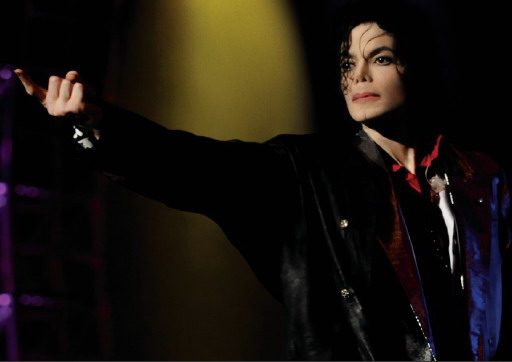 I’m sitting in a dark movie theater in Damascus, Syria. It’s October 30, and This Is It, Michael Jackson’s film, has just been released around the world. After a month of traveling through the Middle East and filing a report on the situation of Iraqi refugees, I’m heading back to New York, my home. Over the years, nearly two million people in Iraq have fled the war—and nine of them are now sitting beside me. They’re between 19 and 25, but in terms of life experience, they’re 9 or 10 years older than me.
I’m sitting in this cinema, and Michael Jackson is on the screen. He sings, sliding his amazing feet. With his fingers, he catches invisible points in the air. He sings… “Billie Jean is not my lover.”… I was a second-year student when this song came out. I can’t remember ever forgetting a moment of its lyrics. At the end of the rows of seats, a Kurdish woman is sitting and shouting, “We love you, Michael!” Around me, children sing along with her… “She is the girl who claims.”… They recite every word. This is one of the happiest and most fascinating memories from my trip.
These war children have been stuck at home in Iraq for months and years, haven’t gone to school, and now that they’re in Syria, they don’t have enough money for this purpose. Iraqi refugees are not legally allowed to work. They love learning, and they are planning to come to the United States. They have made peace with the country that invaded theirs. They can draw lines between governments and people. […] And perhaps that’s the gift they give to a country that has given them Thriller, Beat It, and Bad.
The children sitting in the front rows have lived through hell for years. But when you look at them, you don’t see anything of what they’ve been through. They’re just children—because they need to be—and no one can live in crisis forever. They play soccer, they have mobile phones, they’ve made plenty of friends on Facebook. And they are, separately, deeply in love with Michael Jackson.
And now Michael is up there on the screen, singing… “All I want to say is that they don’t really care about us.”… The kids stomp their feet so hard that the seats a few rows ahead and behind start to shake.
When we reach the middle of Thriller, they sing along together… “The darkness takes hold of the land, midnight is near, the creatures crawl in search of blood, to terrorize you all.”… For me, this song feels like the national anthem of Iraq.
Part of Michael’s beauty—setting everything else aside—is pure beauty. Thriller, when it was released, was a standout work. So outstanding that it never became old for the companies. And its creator never became old either. Even at age 50, he sang better than everyone and ground the people behind him into the dust with his dancing.
Michael Jackson spoke to the disadvantaged with his unique banner of genius—shining with the possibility and success of America—and called everyone to “the healing of the world.” Ask Marjan Satrapi from Iran and Helen Cooper from Liberia. Both of them have written in their influential childhood memories how Michael Jackson’s thoughts and mind were for them—how that strange man with a single glove, in moments of darkness, seemed like a lighthouse full of hope for them. And it’s not only them. For every five people who have read Lolita in Tehran, nearly a billion people in their private rooms have tried to learn moonwalking (the Monowalk dance) from the master.
That’s why—let’s be honest—Michael Jackson probably worked more than anyone else in his life to improve America’s face in the world.
He connected two American dreams: global friendship—no matter whether you’re black or white… (Black Or White song—black or white) and collective progress through personal improvement… if you want the world to get better, look at yourself and make a change… (Man In The Mirror—man in the mirror)—and this is the dream of every refugee.
Now, as I watch This Is It in Damascus alongside these Iraqi friends who survived, I can’t help but think: they see Michael Jackson as a Statue of Liberty. (It seems to me that he’s destined for this comparison.)
Source: eMJey / “Billie Jean in Baghdad” by Kathryn Schulz, huffingtonpost.com
I’m sitting in a dark movie theater in Damascus, Syria. It’s October 30, and This Is It, Michael Jackson’s film, has just been released around the world. After a month of traveling through the Middle East and filing a report on the situation of Iraqi refugees, I’m heading back to New York, my home. Over the years, nearly two million people in Iraq have fled the war—and nine of them are now sitting beside me. They’re between 19 and 25, but in terms of life experience, they’re 9 or 10 years older than me.
I’m sitting in this cinema, and Michael Jackson is on the screen. He sings, sliding his amazing feet. With his fingers, he catches invisible points in the air. He sings… “Billie Jean is not my lover.”… I was a second-year student when this song came out. I can’t remember ever forgetting a moment of its lyrics. At the end of the rows of seats, a Kurdish woman is sitting and shouting, “We love you, Michael!” Around me, children sing along with her… “She is the girl who claims.”… They recite every word. This is one of the happiest and most fascinating memories from my trip.
These war children have been stuck at home in Iraq for months and years, haven’t gone to school, and now that they’re in Syria, they don’t have enough money for this purpose. Iraqi refugees are not legally allowed to work. They love learning, and they are planning to come to the United States. They have made peace with the country that invaded theirs. They can draw lines between governments and people. […] And perhaps that’s the gift they give to a country that has given them Thriller, Beat It, and Bad.
The children sitting in the front rows have lived through hell for years. But when you look at them, you don’t see anything of what they’ve been through. They’re just children—because they need to be—and no one can live in crisis forever. They play soccer, they have mobile phones, they’ve made plenty of friends on Facebook. And they are, separately, deeply in love with Michael Jackson.
And now Michael is up there on the screen, singing… “All I want to say is that they don’t really care about us.”… The kids stomp their feet so hard that the seats a few rows ahead and behind start to shake.
When we reach the middle of Thriller, they sing along together… “The darkness takes hold of the land, midnight is near, the creatures crawl in search of blood, to terrorize you all.”… For me, this song feels like the national anthem of Iraq.
Part of Michael’s beauty—setting everything else aside—is pure beauty. Thriller, when it was released, was a standout work. So outstanding that it never became old for the companies. And its creator never became old either. Even at age 50, he sang better than everyone and ground the people behind him into the dust with his dancing.
Michael Jackson spoke to the disadvantaged with his unique banner of genius—shining with the possibility and success of America—and called everyone to “the healing of the world.” Ask Marjan Satrapi from Iran and Helen Cooper from Liberia. Both of them have written in their influential childhood memories how Michael Jackson’s thoughts and mind were for them—how that strange man with a single glove, in moments of darkness, seemed like a lighthouse full of hope for them. And it’s not only them. For every five people who have read Lolita in Tehran, nearly a billion people in their private rooms have tried to learn moonwalking (the Monowalk dance) from the master.
That’s why—let’s be honest—Michael Jackson probably worked more than anyone else in his life to improve America’s face in the world.
He connected two American dreams: global friendship—no matter whether you’re black or white… (Black Or White song—black or white) and collective progress through personal improvement… if you want the world to get better, look at yourself and make a change… (Man In The Mirror—man in the mirror)—and this is the dream of every refugee.
Now, as I watch This Is It in Damascus alongside these Iraqi friends who survived, I can’t help but think: they see Michael Jackson as a Statue of Liberty. (It seems to me that he’s destined for this comparison.)
Source: eMJey / “Billie Jean in Baghdad” by Kathryn Schulz, huffingtonpost.com