An Unheard Michael Jackson Interview Turned Into an Animation: “I Hate Music Labels”
"My singing... if I were to say it in the simplest way possible, it’s divine." — Michael Jackson, January 1980
In January 1980, 21-year-old Michael Jackson sat down for an interview alongside his 13-year-old sister, Janet, with John Pidgeon, a music historian. The interview has recently been released in the form of an animation.
PBS Digital, as part of a series of programs titled Blank on Blank, presents old, buried quotes and interviews from influential artists as animations on social media—so they can be preserved and passed on to younger generations. So far, many artists’ interviews have been released by this group in animated form. “Famous names, missing interviews” is their slogan.
In their latest project, a forgotten Michael Jackson interview has been turned into an animation, and it’s definitely not without charm to watch. Michael speaks about perfection and God as he stands on the threshold of his second decade of life, and he offers a deep look at music. One of the interesting points of this interview is that, according to Michael’s wishes, the interviewer delivers the questions to him through his sister, Janet. Janet repeats the questions—questions that Michael himself had heard from the interviewer—back to her brother again, like a “telephone game.” We don’t know what Michael’s goal was in doing this. Perhaps he assigned the task to his sister to help introduce him to the interviewer’s work and boost his confidence, or maybe it was simply a game—creating a new method, or making the interview more entertaining. Whatever the reason, this process is beautifully portrayed in the animation.
In this interview, Michael says he hates the labels and names people create for music; music is music.
 Back in the late ’70s, disco music had become something people despised. In 1979, a movement was launched against this music, and Steve Knopper, an editor at Rolling Stone and the author of a book about it, says the movement had roots in racist tendencies. The idea—started by a radio DJ who wanted to smash the disco records of Black artists, after the Black artists began to outpace the rock singers he liked—turned into a social slogan. Steve Dahl, a DJ in Detroit who played rock songs, kicked off the anti-disco movement.
A little later, an unsuccessful guitarist named Steve Wieck joined the DJ. Wieck’s father owned a baseball stadium for the Chicago White Sox. After an agreement with Wieck, the DJ announced on his radio show that anyone who brought along a disco phonograph record would get free entry to the stadium to watch the baseball game. Instead of 16,000 people, 59,000 poured into the stadium. They wore Led Zeppelin rock band outfits, set fire to the Bee Gees records, and chanted the song “Damn Disco.”
MTV’s music broadcasting network also operated with the same slogan—“music is rock”—as an excuse to avoid playing Black disco music, and that was the barrier Michael Jackson broke a few years after the wave of anti-disco sentiment began, with the album Thriller. The album that became the most successful and best-selling album in music history.
At the height of white people’s hatred of disco, Michael Jackson said: “Call it disco—whatever name you want. This is music.”
Back in the late ’70s, disco music had become something people despised. In 1979, a movement was launched against this music, and Steve Knopper, an editor at Rolling Stone and the author of a book about it, says the movement had roots in racist tendencies. The idea—started by a radio DJ who wanted to smash the disco records of Black artists, after the Black artists began to outpace the rock singers he liked—turned into a social slogan. Steve Dahl, a DJ in Detroit who played rock songs, kicked off the anti-disco movement.
A little later, an unsuccessful guitarist named Steve Wieck joined the DJ. Wieck’s father owned a baseball stadium for the Chicago White Sox. After an agreement with Wieck, the DJ announced on his radio show that anyone who brought along a disco phonograph record would get free entry to the stadium to watch the baseball game. Instead of 16,000 people, 59,000 poured into the stadium. They wore Led Zeppelin rock band outfits, set fire to the Bee Gees records, and chanted the song “Damn Disco.”
MTV’s music broadcasting network also operated with the same slogan—“music is rock”—as an excuse to avoid playing Black disco music, and that was the barrier Michael Jackson broke a few years after the wave of anti-disco sentiment began, with the album Thriller. The album that became the most successful and best-selling album in music history.
At the height of white people’s hatred of disco, Michael Jackson said: “Call it disco—whatever name you want. This is music.”
 The young king of pop, two years before shattering racial barriers with Thriller and becoming a symbol of music for people of different nations, not only says he doesn’t see anything wrong with disco—he also challenges the praised rock music. He imitates the aggressive sound of the guitar (rock) and asks whether you can dance to that rhythm.
Will some of his most beautiful songs—under the excuse that they’re disco—be erased from the world of music with the slogan “Damn Disco”?
Michael: “Isn’t ‘She’s Out of My Life,’ ‘Off the Wall,’ ‘Rock with You’ disco? I don’t know. For me, it’s music. Like when you hear a bird chirping—you don’t say it’s the sound of a blue jay; it’s a crow. It’s a beautiful sound. That’s all that matters—so listen to it.”
Elsewhere in the interview, Michael talks about his dancing. Does he work hard on the dance he’s going to perform on stage?
Michael answers with a laugh: “I have to work, but I don’t. Everything you see is my instant reaction to the music. Nothing is planned. It’s not like I thought about it beforehand.”
And anyone who watches his extraordinary dancing can tell that “it only flows through feeling.” Those feelings are so strong that even in the recording studio, he can’t forget how to dance.
“I dance around. It’s hard to stay in one place. I’m moving in front of the microphone the whole time.”
Michael says his singing is “divine.” He doesn’t know what happens—he just opens his mouth, and then we see the song performed beautifully. Explaining it is difficult. He says it’s only the result of feeling—and God, of course, is basically God.
When radio and television are trying to draw lines and separate white and Black music, Michael defines his purpose in music like this: to unite.
Michael: “The peacock is the only bird that has all colors in one color. That’s our goal in music. When you go to our concerts (his group and his brothers, the Jacksons), you see people of every race. They all wave their hands in the air, holding each other’s hands, smiling, and dancing. That’s the important thing. That’s what motivates me.”
The young king of pop, two years before shattering racial barriers with Thriller and becoming a symbol of music for people of different nations, not only says he doesn’t see anything wrong with disco—he also challenges the praised rock music. He imitates the aggressive sound of the guitar (rock) and asks whether you can dance to that rhythm.
Will some of his most beautiful songs—under the excuse that they’re disco—be erased from the world of music with the slogan “Damn Disco”?
Michael: “Isn’t ‘She’s Out of My Life,’ ‘Off the Wall,’ ‘Rock with You’ disco? I don’t know. For me, it’s music. Like when you hear a bird chirping—you don’t say it’s the sound of a blue jay; it’s a crow. It’s a beautiful sound. That’s all that matters—so listen to it.”
Elsewhere in the interview, Michael talks about his dancing. Does he work hard on the dance he’s going to perform on stage?
Michael answers with a laugh: “I have to work, but I don’t. Everything you see is my instant reaction to the music. Nothing is planned. It’s not like I thought about it beforehand.”
And anyone who watches his extraordinary dancing can tell that “it only flows through feeling.” Those feelings are so strong that even in the recording studio, he can’t forget how to dance.
“I dance around. It’s hard to stay in one place. I’m moving in front of the microphone the whole time.”
Michael says his singing is “divine.” He doesn’t know what happens—he just opens his mouth, and then we see the song performed beautifully. Explaining it is difficult. He says it’s only the result of feeling—and God, of course, is basically God.
When radio and television are trying to draw lines and separate white and Black music, Michael defines his purpose in music like this: to unite.
Michael: “The peacock is the only bird that has all colors in one color. That’s our goal in music. When you go to our concerts (his group and his brothers, the Jacksons), you see people of every race. They all wave their hands in the air, holding each other’s hands, smiling, and dancing. That’s the important thing. That’s what motivates me.”
 And a few words from our famous perfectionist:
“I have a strong belief in perfection. I’m never satisfied. I work on a song, and when I come home, I tell myself, no, that’s not right—we have to record it again. And then again and again and again. And when the song is released, I say, it didn’t work—I should have done such-and-such. The song became number one, and you still say you should have done such-and-such. If you’re satisfied with something, you stay at that level, but the world keeps moving forward—and that isn’t good.”
From childhood, Michael had no difficulty singing, and he could sing any piece with ease. For example, at age 13, he recorded the song “Ben”—the music from a film of the same name—which won him a Golden Globe Award, in just one take. He recorded in the Motown company studio, and he never forgot the apple box he would stand on, with his name written on it. He’d ask why he stood on the box—his height was too short to reach the microphone.
When Michael grew taller, Diana Ross took the box away. Diana was one of the Motown stars and one of Michael’s friends and helpers. Michael says Diana also collected all of his childhood drawings and childish handwriting. All of them gathered next to that old apple box in Diana Ross’s home.
The images of many famous people are always seen on television, and in this interview Michael expresses hope that it doesn’t happen to him, because:
“People get tired.”
“I don’t want to be on so many shows or be seen everywhere, because I get kind of flustered.”
“But inside, I feel like my destiny is already set—just for me—to be on that path and keep going. I believe and I feel like I have a reason to be here. My job is to perform for people, and if they accept it, then I get rewarded. And if they praise me, I’ll feel even better.”
Thriller changed history. Quincy Jones was the producer of this album. Michael and Quincy’s collaboration began with the film The Wiz (WIZ), and it first gained momentum with the album Off the Wall.
Michael had expressed his readiness over the phone to make the album, and he asked Quincy to find a good producer for him.
Michael: “I didn’t mean at all that I wanted to become his producer with a hint. I hadn’t even thought about it. Then he said, ‘Smiley’... he calls me Smiley... he said, ‘Smiley, why don’t I work on your album?’ I said, ‘That’s great.’ I started laughing, and he asked, ‘Why don’t we start?’ The next week we started, and that’s how Off the Wall was released.”
Source: eMJey.com / Blank On Blank & Rolling Stone
And a few words from our famous perfectionist:
“I have a strong belief in perfection. I’m never satisfied. I work on a song, and when I come home, I tell myself, no, that’s not right—we have to record it again. And then again and again and again. And when the song is released, I say, it didn’t work—I should have done such-and-such. The song became number one, and you still say you should have done such-and-such. If you’re satisfied with something, you stay at that level, but the world keeps moving forward—and that isn’t good.”
From childhood, Michael had no difficulty singing, and he could sing any piece with ease. For example, at age 13, he recorded the song “Ben”—the music from a film of the same name—which won him a Golden Globe Award, in just one take. He recorded in the Motown company studio, and he never forgot the apple box he would stand on, with his name written on it. He’d ask why he stood on the box—his height was too short to reach the microphone.
When Michael grew taller, Diana Ross took the box away. Diana was one of the Motown stars and one of Michael’s friends and helpers. Michael says Diana also collected all of his childhood drawings and childish handwriting. All of them gathered next to that old apple box in Diana Ross’s home.
The images of many famous people are always seen on television, and in this interview Michael expresses hope that it doesn’t happen to him, because:
“People get tired.”
“I don’t want to be on so many shows or be seen everywhere, because I get kind of flustered.”
“But inside, I feel like my destiny is already set—just for me—to be on that path and keep going. I believe and I feel like I have a reason to be here. My job is to perform for people, and if they accept it, then I get rewarded. And if they praise me, I’ll feel even better.”
Thriller changed history. Quincy Jones was the producer of this album. Michael and Quincy’s collaboration began with the film The Wiz (WIZ), and it first gained momentum with the album Off the Wall.
Michael had expressed his readiness over the phone to make the album, and he asked Quincy to find a good producer for him.
Michael: “I didn’t mean at all that I wanted to become his producer with a hint. I hadn’t even thought about it. Then he said, ‘Smiley’... he calls me Smiley... he said, ‘Smiley, why don’t I work on your album?’ I said, ‘That’s great.’ I started laughing, and he asked, ‘Why don’t we start?’ The next week we started, and that’s how Off the Wall was released.”
Source: eMJey.com / Blank On Blank & Rolling Stone
 Back in the late ’70s, disco music had become something people despised. In 1979, a movement was launched against this music, and Steve Knopper, an editor at Rolling Stone and the author of a book about it, says the movement had roots in racist tendencies. The idea—started by a radio DJ who wanted to smash the disco records of Black artists, after the Black artists began to outpace the rock singers he liked—turned into a social slogan. Steve Dahl, a DJ in Detroit who played rock songs, kicked off the anti-disco movement.
A little later, an unsuccessful guitarist named Steve Wieck joined the DJ. Wieck’s father owned a baseball stadium for the Chicago White Sox. After an agreement with Wieck, the DJ announced on his radio show that anyone who brought along a disco phonograph record would get free entry to the stadium to watch the baseball game. Instead of 16,000 people, 59,000 poured into the stadium. They wore Led Zeppelin rock band outfits, set fire to the Bee Gees records, and chanted the song “Damn Disco.”
MTV’s music broadcasting network also operated with the same slogan—“music is rock”—as an excuse to avoid playing Black disco music, and that was the barrier Michael Jackson broke a few years after the wave of anti-disco sentiment began, with the album Thriller. The album that became the most successful and best-selling album in music history.
At the height of white people’s hatred of disco, Michael Jackson said: “Call it disco—whatever name you want. This is music.”
Back in the late ’70s, disco music had become something people despised. In 1979, a movement was launched against this music, and Steve Knopper, an editor at Rolling Stone and the author of a book about it, says the movement had roots in racist tendencies. The idea—started by a radio DJ who wanted to smash the disco records of Black artists, after the Black artists began to outpace the rock singers he liked—turned into a social slogan. Steve Dahl, a DJ in Detroit who played rock songs, kicked off the anti-disco movement.
A little later, an unsuccessful guitarist named Steve Wieck joined the DJ. Wieck’s father owned a baseball stadium for the Chicago White Sox. After an agreement with Wieck, the DJ announced on his radio show that anyone who brought along a disco phonograph record would get free entry to the stadium to watch the baseball game. Instead of 16,000 people, 59,000 poured into the stadium. They wore Led Zeppelin rock band outfits, set fire to the Bee Gees records, and chanted the song “Damn Disco.”
MTV’s music broadcasting network also operated with the same slogan—“music is rock”—as an excuse to avoid playing Black disco music, and that was the barrier Michael Jackson broke a few years after the wave of anti-disco sentiment began, with the album Thriller. The album that became the most successful and best-selling album in music history.
At the height of white people’s hatred of disco, Michael Jackson said: “Call it disco—whatever name you want. This is music.”
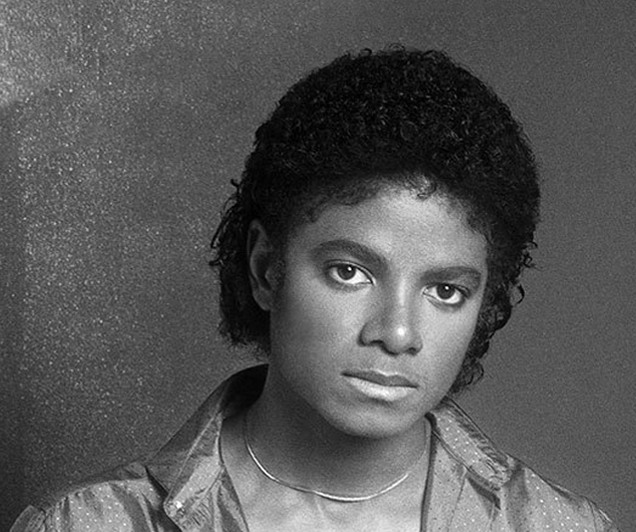 The young king of pop, two years before shattering racial barriers with Thriller and becoming a symbol of music for people of different nations, not only says he doesn’t see anything wrong with disco—he also challenges the praised rock music. He imitates the aggressive sound of the guitar (rock) and asks whether you can dance to that rhythm.
Will some of his most beautiful songs—under the excuse that they’re disco—be erased from the world of music with the slogan “Damn Disco”?
Michael: “Isn’t ‘She’s Out of My Life,’ ‘Off the Wall,’ ‘Rock with You’ disco? I don’t know. For me, it’s music. Like when you hear a bird chirping—you don’t say it’s the sound of a blue jay; it’s a crow. It’s a beautiful sound. That’s all that matters—so listen to it.”
Elsewhere in the interview, Michael talks about his dancing. Does he work hard on the dance he’s going to perform on stage?
Michael answers with a laugh: “I have to work, but I don’t. Everything you see is my instant reaction to the music. Nothing is planned. It’s not like I thought about it beforehand.”
And anyone who watches his extraordinary dancing can tell that “it only flows through feeling.” Those feelings are so strong that even in the recording studio, he can’t forget how to dance.
“I dance around. It’s hard to stay in one place. I’m moving in front of the microphone the whole time.”
Michael says his singing is “divine.” He doesn’t know what happens—he just opens his mouth, and then we see the song performed beautifully. Explaining it is difficult. He says it’s only the result of feeling—and God, of course, is basically God.
When radio and television are trying to draw lines and separate white and Black music, Michael defines his purpose in music like this: to unite.
Michael: “The peacock is the only bird that has all colors in one color. That’s our goal in music. When you go to our concerts (his group and his brothers, the Jacksons), you see people of every race. They all wave their hands in the air, holding each other’s hands, smiling, and dancing. That’s the important thing. That’s what motivates me.”
The young king of pop, two years before shattering racial barriers with Thriller and becoming a symbol of music for people of different nations, not only says he doesn’t see anything wrong with disco—he also challenges the praised rock music. He imitates the aggressive sound of the guitar (rock) and asks whether you can dance to that rhythm.
Will some of his most beautiful songs—under the excuse that they’re disco—be erased from the world of music with the slogan “Damn Disco”?
Michael: “Isn’t ‘She’s Out of My Life,’ ‘Off the Wall,’ ‘Rock with You’ disco? I don’t know. For me, it’s music. Like when you hear a bird chirping—you don’t say it’s the sound of a blue jay; it’s a crow. It’s a beautiful sound. That’s all that matters—so listen to it.”
Elsewhere in the interview, Michael talks about his dancing. Does he work hard on the dance he’s going to perform on stage?
Michael answers with a laugh: “I have to work, but I don’t. Everything you see is my instant reaction to the music. Nothing is planned. It’s not like I thought about it beforehand.”
And anyone who watches his extraordinary dancing can tell that “it only flows through feeling.” Those feelings are so strong that even in the recording studio, he can’t forget how to dance.
“I dance around. It’s hard to stay in one place. I’m moving in front of the microphone the whole time.”
Michael says his singing is “divine.” He doesn’t know what happens—he just opens his mouth, and then we see the song performed beautifully. Explaining it is difficult. He says it’s only the result of feeling—and God, of course, is basically God.
When radio and television are trying to draw lines and separate white and Black music, Michael defines his purpose in music like this: to unite.
Michael: “The peacock is the only bird that has all colors in one color. That’s our goal in music. When you go to our concerts (his group and his brothers, the Jacksons), you see people of every race. They all wave their hands in the air, holding each other’s hands, smiling, and dancing. That’s the important thing. That’s what motivates me.”
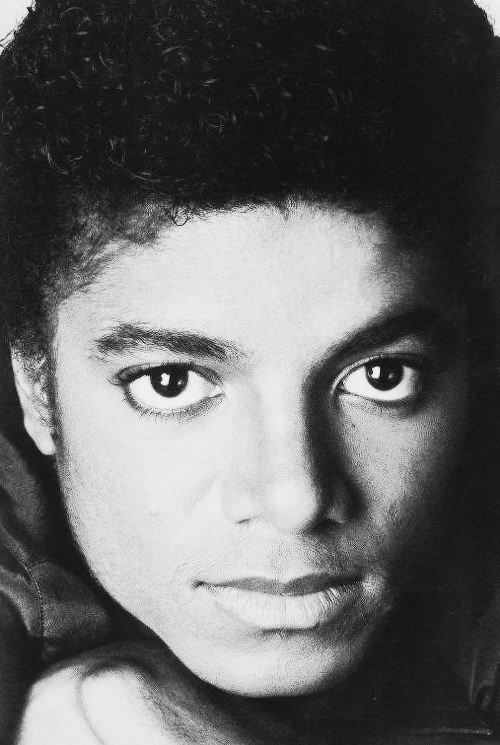 And a few words from our famous perfectionist:
“I have a strong belief in perfection. I’m never satisfied. I work on a song, and when I come home, I tell myself, no, that’s not right—we have to record it again. And then again and again and again. And when the song is released, I say, it didn’t work—I should have done such-and-such. The song became number one, and you still say you should have done such-and-such. If you’re satisfied with something, you stay at that level, but the world keeps moving forward—and that isn’t good.”
From childhood, Michael had no difficulty singing, and he could sing any piece with ease. For example, at age 13, he recorded the song “Ben”—the music from a film of the same name—which won him a Golden Globe Award, in just one take. He recorded in the Motown company studio, and he never forgot the apple box he would stand on, with his name written on it. He’d ask why he stood on the box—his height was too short to reach the microphone.
When Michael grew taller, Diana Ross took the box away. Diana was one of the Motown stars and one of Michael’s friends and helpers. Michael says Diana also collected all of his childhood drawings and childish handwriting. All of them gathered next to that old apple box in Diana Ross’s home.
The images of many famous people are always seen on television, and in this interview Michael expresses hope that it doesn’t happen to him, because:
“People get tired.”
“I don’t want to be on so many shows or be seen everywhere, because I get kind of flustered.”
“But inside, I feel like my destiny is already set—just for me—to be on that path and keep going. I believe and I feel like I have a reason to be here. My job is to perform for people, and if they accept it, then I get rewarded. And if they praise me, I’ll feel even better.”
Thriller changed history. Quincy Jones was the producer of this album. Michael and Quincy’s collaboration began with the film The Wiz (WIZ), and it first gained momentum with the album Off the Wall.
Michael had expressed his readiness over the phone to make the album, and he asked Quincy to find a good producer for him.
Michael: “I didn’t mean at all that I wanted to become his producer with a hint. I hadn’t even thought about it. Then he said, ‘Smiley’... he calls me Smiley... he said, ‘Smiley, why don’t I work on your album?’ I said, ‘That’s great.’ I started laughing, and he asked, ‘Why don’t we start?’ The next week we started, and that’s how Off the Wall was released.”
Source: eMJey.com / Blank On Blank & Rolling Stone
And a few words from our famous perfectionist:
“I have a strong belief in perfection. I’m never satisfied. I work on a song, and when I come home, I tell myself, no, that’s not right—we have to record it again. And then again and again and again. And when the song is released, I say, it didn’t work—I should have done such-and-such. The song became number one, and you still say you should have done such-and-such. If you’re satisfied with something, you stay at that level, but the world keeps moving forward—and that isn’t good.”
From childhood, Michael had no difficulty singing, and he could sing any piece with ease. For example, at age 13, he recorded the song “Ben”—the music from a film of the same name—which won him a Golden Globe Award, in just one take. He recorded in the Motown company studio, and he never forgot the apple box he would stand on, with his name written on it. He’d ask why he stood on the box—his height was too short to reach the microphone.
When Michael grew taller, Diana Ross took the box away. Diana was one of the Motown stars and one of Michael’s friends and helpers. Michael says Diana also collected all of his childhood drawings and childish handwriting. All of them gathered next to that old apple box in Diana Ross’s home.
The images of many famous people are always seen on television, and in this interview Michael expresses hope that it doesn’t happen to him, because:
“People get tired.”
“I don’t want to be on so many shows or be seen everywhere, because I get kind of flustered.”
“But inside, I feel like my destiny is already set—just for me—to be on that path and keep going. I believe and I feel like I have a reason to be here. My job is to perform for people, and if they accept it, then I get rewarded. And if they praise me, I’ll feel even better.”
Thriller changed history. Quincy Jones was the producer of this album. Michael and Quincy’s collaboration began with the film The Wiz (WIZ), and it first gained momentum with the album Off the Wall.
Michael had expressed his readiness over the phone to make the album, and he asked Quincy to find a good producer for him.
Michael: “I didn’t mean at all that I wanted to become his producer with a hint. I hadn’t even thought about it. Then he said, ‘Smiley’... he calls me Smiley... he said, ‘Smiley, why don’t I work on your album?’ I said, ‘That’s great.’ I started laughing, and he asked, ‘Why don’t we start?’ The next week we started, and that’s how Off the Wall was released.”
Source: eMJey.com / Blank On Blank & Rolling Stone