Revealing Emails Related to the This Is It Tour (Warning: Disturbing Content)
On Sunday, a person said to be connected to the Jackson family provided the Los Angeles Times with several private emails from AEG as part of the evidence in the family’s lawsuit against the company. The newspaper published these documents.
We, too, are forced to publish this news in order to respect our readers’ rights.
Warning: What follows may be unpleasant and upsetting. You are free to continue reading this text.Introduction:
AEG was responsible for organizing Michael Jackson’s This Is It tour in London. They had been trying for a long time to sign a contract with Michael. Unfortunately, Michael died before the tour even began, and two years after his death, his personal doctor was sent to prison for involuntary manslaughter.
Michael suffered from chronic insomnia and, discouraged by the effects of any sleeping pills, turned to an anesthetic substance called propofol. Dr. Conrad Murray, a cardiology specialist, injected a dose of this drug into Michael every night so he could sleep for a few hours. Michael needed one essential factor for this tour: sleep! Based on evidence presented in the Los Angeles Superior Court, Michael believed that as long as a doctor injected this drug, he would not be in danger.
On the morning of June 25, Michael Jackson fell into a coma due to suffocation and cardiac arrest caused by the injection of propofol, and died in the absence of the doctor. Dr. Murray was busy outside the room on his phone.
Inside the room, there were no medical equipment—while a heart-rate monitoring device with an alarm and a shock device for resuscitation were necessary and essential at the bedside of the person who had been rendered unconscious.
After Michael’s death, AEG claimed it had no knowledge of Murray’s strange and dangerous treatment method. It was also revealed that the company had rejected Murray’s request to provide the medical equipment he needed.
A while ago, Katherine Jackson, Michael’s mother, filed a lawsuit against the company in court. She claimed that the company had been aware of Michael’s physical condition and of Murray’s treatment method, and therefore was responsible for her son’s death. The company has consistently denied these claims. The case will be argued in court next year, and if AEG is found guilty, it will be required to pay damages.
 What do the emails contain?
The newly revealed emails show that before Michael’s death, the company had become fearful and uncertain about his physical condition. However, no specific medical action was taken to help Michael. The emails also suggest that Murray had assured them that Michael was in good physical condition and was healthy in every way. This is something that forensic medicine confirmed after Michael’s death and autopsy.
It should also be noted that only a selection of these emails were taken from among the large number of messages, and they may contain misleading information. The judge had issued a strict order that this information remain confidential.
One of the emails concerns the first meeting held in preparation for the This Is It tour. In September 2008, AEG founder Phil Anschutz invited Michael to visit his Las Vegas home. Paul Gongaware, one of the company executives who knew Michael closely, devised a strategy for this meeting and wrote to Phil Anschutz in an email:
"Dress comfortably. MJ is suspicious of suits. And talk to Michael softly."
He also warned Anschutz not to mention the expected $132 million revenue from the tour, because it wasn’t high enough.
"That’s not the number MJ wants to hear. He thinks he’s bigger than that."
Michael and the company signed a contract in January 2009. Michael promised a top-tier show, and the company committed to supporting the This Is It tour. If, for any reason, Michael failed to perform the tour, then under the contract the company would use revenue from Michael’s music publishing to cover its losses.
But inside the company, some doubted Michael’s ability. For example, Dan Beckerman, in an email to Randy Phillips, the company’s CEO, expressed concern about this. Phillips replied that time passing and rehearsals would solve everything.
In response to another email about Michael’s ability to hold this tour, Phillips wrote: "He has to, otherwise a financial disaster will happen."
Under the contract, Michael had to undergo a medical evaluation. Nine days after the tour contract was signed, a New York doctor went to Michael’s home in Holmby Hills, Los Angeles. Dr. David Slavit described Michael’s physical condition as excellent. (Something that forensic medicine confirmed after Michael’s death.) In the following months, the company shouted in the media that their star was healthy and the tour would happen.
In 1993, Michael had canceled several final concerts of his dangerous tour at the doctors’ discretion and because of his use of painkiller pills. In his certificate, the doctor wrote that the past problems that had led to the cancellation of some of Michael’s live performances were caused by excessive fatigue and dehydration.
In the medical form, when asked whether he had a history of alcohol or drug addiction, Michael checked the "no" option.
After that, it was decided that Michael would announce the tour news at a conference in March. But part of the emails suggests that during those days the company was afraid and uncertain, and that it was worried Michael might not fulfill his commitments.
In this regard, Paul Gongaware wrote to Phillips:
"We’re taking a risk. We can’t walk away from this project, but MJ will try to stop it because he’s lazy and constantly changes his mind. With this contract, his hands are tied—he has no other choice. He signed the contract."
But the company, on the surface, was saying something else:
"This man is very wise and has high focus on his work. He is healthy and fine."
This is what the company’s CEO, Tim Leiweke, told members of the entertainment industry at a dinner party one day before Michael’s press conference in London.
What do the emails contain?
The newly revealed emails show that before Michael’s death, the company had become fearful and uncertain about his physical condition. However, no specific medical action was taken to help Michael. The emails also suggest that Murray had assured them that Michael was in good physical condition and was healthy in every way. This is something that forensic medicine confirmed after Michael’s death and autopsy.
It should also be noted that only a selection of these emails were taken from among the large number of messages, and they may contain misleading information. The judge had issued a strict order that this information remain confidential.
One of the emails concerns the first meeting held in preparation for the This Is It tour. In September 2008, AEG founder Phil Anschutz invited Michael to visit his Las Vegas home. Paul Gongaware, one of the company executives who knew Michael closely, devised a strategy for this meeting and wrote to Phil Anschutz in an email:
"Dress comfortably. MJ is suspicious of suits. And talk to Michael softly."
He also warned Anschutz not to mention the expected $132 million revenue from the tour, because it wasn’t high enough.
"That’s not the number MJ wants to hear. He thinks he’s bigger than that."
Michael and the company signed a contract in January 2009. Michael promised a top-tier show, and the company committed to supporting the This Is It tour. If, for any reason, Michael failed to perform the tour, then under the contract the company would use revenue from Michael’s music publishing to cover its losses.
But inside the company, some doubted Michael’s ability. For example, Dan Beckerman, in an email to Randy Phillips, the company’s CEO, expressed concern about this. Phillips replied that time passing and rehearsals would solve everything.
In response to another email about Michael’s ability to hold this tour, Phillips wrote: "He has to, otherwise a financial disaster will happen."
Under the contract, Michael had to undergo a medical evaluation. Nine days after the tour contract was signed, a New York doctor went to Michael’s home in Holmby Hills, Los Angeles. Dr. David Slavit described Michael’s physical condition as excellent. (Something that forensic medicine confirmed after Michael’s death.) In the following months, the company shouted in the media that their star was healthy and the tour would happen.
In 1993, Michael had canceled several final concerts of his dangerous tour at the doctors’ discretion and because of his use of painkiller pills. In his certificate, the doctor wrote that the past problems that had led to the cancellation of some of Michael’s live performances were caused by excessive fatigue and dehydration.
In the medical form, when asked whether he had a history of alcohol or drug addiction, Michael checked the "no" option.
After that, it was decided that Michael would announce the tour news at a conference in March. But part of the emails suggests that during those days the company was afraid and uncertain, and that it was worried Michael might not fulfill his commitments.
In this regard, Paul Gongaware wrote to Phillips:
"We’re taking a risk. We can’t walk away from this project, but MJ will try to stop it because he’s lazy and constantly changes his mind. With this contract, his hands are tied—he has no other choice. He signed the contract."
But the company, on the surface, was saying something else:
"This man is very wise and has high focus on his work. He is healthy and fine."
This is what the company’s CEO, Tim Leiweke, told members of the entertainment industry at a dinner party one day before Michael’s press conference in London.
 The next day, Randy Phillips wrote in an odd email sent very early in the morning to Tim Leiweke:
"Michael has locked himself in the hotel room. He’s depressed and has been drinking alcohol. I’m trying to keep him awake."
The manager immediately replies to Phillips: "Are you messing with me?"
Phillips continues: "I yelled at him so loudly that the walls shook. Now that it’s showtime, he’s emotionally paralyzed and filled with self-hatred. He’s terrified to the point of death."
Michael had to announce important news within a few hours at a press conference at the O2.
Michael had traveled to this city to attend the press conference and announce the This Is It tour in London. You can download the video of Michael’s remarks at this conference from here. In this video, Michael appears alert and in good spirits.
Now, with this information revealed to the media, Marvin Putnam, the company’s lawyer, says the emails were cherry-picked and exaggerated. He also said that Randy Phillips exaggerated in his emails, and that Michael was only somewhat anxious that day. He also told the Los Angeles Times:
"Michael Jackson was an adult man. It’s an exaggeration to say he couldn’t handle his own affairs."
The company’s lawyer also said that the Jackson family released these emails with the idea of creating a bad image of the company in people’s minds.
In any case, Michael arrived at the conference with a 90-minute delay that day. He gave a very short and brief speech, but that was enough to make his fans even crazier. Michael announced that he would perform ten concerts in London, and the ticket sales website crashed under the rush of buyers. The number of concerts increased from ten to fifty, and one million tickets disappeared within a few hours.
Two months later, Lloyd’s London insured Michael and the company. Under this agreement, accidents during rehearsals in Los Angeles were covered. The plan was that when Michael traveled to London to perform the tour, after being examined by the insurance doctor, he would be covered for illness and even death.
AEG executives met for the first time during a rehearsal session in May with Dr. Conrad Murray, who would later become the killer of Michael Jackson. During last year’s trial, in which Murray was sentenced to four years in prison, the company said that Michael insisted on hiring this doctor with a monthly salary of $150,000.
Murray, who had heavy debts and might lose his house, injected Michael with some propofol every night so he could sleep. Propofol is an anesthetic substance used only in hospitals for surgeries.
The company’s lawyers said that AEG had no knowledge of Murray injecting propofol into Michael. Michael died before Murray was hired by the company. The company never paid Murray any money for his salary.
Some other emails talk about rehearsals in mid-June. In some emails, managers complain that Michael doesn’t show up for meetings, moves slowly, or lip-syncs important songs.
The next day, Randy Phillips wrote in an odd email sent very early in the morning to Tim Leiweke:
"Michael has locked himself in the hotel room. He’s depressed and has been drinking alcohol. I’m trying to keep him awake."
The manager immediately replies to Phillips: "Are you messing with me?"
Phillips continues: "I yelled at him so loudly that the walls shook. Now that it’s showtime, he’s emotionally paralyzed and filled with self-hatred. He’s terrified to the point of death."
Michael had to announce important news within a few hours at a press conference at the O2.
Michael had traveled to this city to attend the press conference and announce the This Is It tour in London. You can download the video of Michael’s remarks at this conference from here. In this video, Michael appears alert and in good spirits.
Now, with this information revealed to the media, Marvin Putnam, the company’s lawyer, says the emails were cherry-picked and exaggerated. He also said that Randy Phillips exaggerated in his emails, and that Michael was only somewhat anxious that day. He also told the Los Angeles Times:
"Michael Jackson was an adult man. It’s an exaggeration to say he couldn’t handle his own affairs."
The company’s lawyer also said that the Jackson family released these emails with the idea of creating a bad image of the company in people’s minds.
In any case, Michael arrived at the conference with a 90-minute delay that day. He gave a very short and brief speech, but that was enough to make his fans even crazier. Michael announced that he would perform ten concerts in London, and the ticket sales website crashed under the rush of buyers. The number of concerts increased from ten to fifty, and one million tickets disappeared within a few hours.
Two months later, Lloyd’s London insured Michael and the company. Under this agreement, accidents during rehearsals in Los Angeles were covered. The plan was that when Michael traveled to London to perform the tour, after being examined by the insurance doctor, he would be covered for illness and even death.
AEG executives met for the first time during a rehearsal session in May with Dr. Conrad Murray, who would later become the killer of Michael Jackson. During last year’s trial, in which Murray was sentenced to four years in prison, the company said that Michael insisted on hiring this doctor with a monthly salary of $150,000.
Murray, who had heavy debts and might lose his house, injected Michael with some propofol every night so he could sleep. Propofol is an anesthetic substance used only in hospitals for surgeries.
The company’s lawyers said that AEG had no knowledge of Murray injecting propofol into Michael. Michael died before Murray was hired by the company. The company never paid Murray any money for his salary.
Some other emails talk about rehearsals in mid-June. In some emails, managers complain that Michael doesn’t show up for meetings, moves slowly, or lip-syncs important songs.
 Michael Bredon, the tour’s music director, wrote in an email: "MJ is still not in a condition to sing these songs live and dance at the same time."
Michael was absent for a week, and when he returned on June 19, he couldn’t perform anything due to weakness. They also became concerned about Michael’s mental and psychological condition. This led Phillips to write to Leiwke in an email: "We have a big problem."
Around those days, Randy Phillips was praising Michael Jackson’s health and his readiness for the tour in the media.
But Kenny Ortega, the tour director for Phillips, wrote that Michael wasn’t ready for the tour and asked him to bring in a psychiatrist.
"There are strong signs of paranoia, anxiety, and obsession. I think the best thing is to bring in an expert psychologist so that his behavior can be evaluated as soon as possible."
Ortega continued: "It seems as if there are two spirits in his body. One is trying to bring him back to what he was and what he can still be, and it asks us to give him time and not give up on him; but the other one is weakening him and causing trouble."
Ortega, who had known Michael for 20 years, had pointed out in the email: "I believe that in dealing with this, we need expert guidance."
Phillips disagreed with Ortega’s request and wrote: "You don’t need you, me, or anyone else to claim knowledge of psychology and medicine."
He wrote that since working with Dr. Murray, he had gained great respect for him, and that Murray had assured them that "Michael is ready."
Phillips continued: "He is an extremely successful doctor. We’ve checked everything. He doesn’t talk out of need for money. He is a selfless, ethical man."
After a meeting held that same day, Michael promised to do better, and Murray said he would help him.
In the final two nights of rehearsals, Michael caused a commotion.
Last year, Kenny Ortega had presented similar information in the trial regarding the charges against Conrad Murray.
At that time, the company claimed in interviews that it had acted with due diligence regarding Kenny Ortega’s concerns and those of others, and that it had monitored Michael and his doctor.
Many emails show that at the same time as Lloyd’s London insurance, the company was pressured to set a time for Michael’s medical examination. Before signing the contract, Lloyd’s had to be sure about Michael’s health. The company tried to discourage Lloyd’s from doing this and suggested that Murray would send them a report on his patient’s health. Lloyd’s did not accept this proposal and insisted on using three of its trusted doctors to test Michael’s heartbeat and handle other matters.
Lloyd’s London had asked the company to provide the complete medical file related to the last five years of Michael Jackson. The company believed that Murray was the best option to prepare this file, and reminded him in at least ten emails to complete it.
On June 25, in the room where Michael Jackson was about to die, Murray wrote back to the company: "Michael does not allow access to his medical records."
Less than an hour later, Michael stopped breathing, suffered a heart attack, and died.
Michael Bredon, the tour’s music director, wrote in an email: "MJ is still not in a condition to sing these songs live and dance at the same time."
Michael was absent for a week, and when he returned on June 19, he couldn’t perform anything due to weakness. They also became concerned about Michael’s mental and psychological condition. This led Phillips to write to Leiwke in an email: "We have a big problem."
Around those days, Randy Phillips was praising Michael Jackson’s health and his readiness for the tour in the media.
But Kenny Ortega, the tour director for Phillips, wrote that Michael wasn’t ready for the tour and asked him to bring in a psychiatrist.
"There are strong signs of paranoia, anxiety, and obsession. I think the best thing is to bring in an expert psychologist so that his behavior can be evaluated as soon as possible."
Ortega continued: "It seems as if there are two spirits in his body. One is trying to bring him back to what he was and what he can still be, and it asks us to give him time and not give up on him; but the other one is weakening him and causing trouble."
Ortega, who had known Michael for 20 years, had pointed out in the email: "I believe that in dealing with this, we need expert guidance."
Phillips disagreed with Ortega’s request and wrote: "You don’t need you, me, or anyone else to claim knowledge of psychology and medicine."
He wrote that since working with Dr. Murray, he had gained great respect for him, and that Murray had assured them that "Michael is ready."
Phillips continued: "He is an extremely successful doctor. We’ve checked everything. He doesn’t talk out of need for money. He is a selfless, ethical man."
After a meeting held that same day, Michael promised to do better, and Murray said he would help him.
In the final two nights of rehearsals, Michael caused a commotion.
Last year, Kenny Ortega had presented similar information in the trial regarding the charges against Conrad Murray.
At that time, the company claimed in interviews that it had acted with due diligence regarding Kenny Ortega’s concerns and those of others, and that it had monitored Michael and his doctor.
Many emails show that at the same time as Lloyd’s London insurance, the company was pressured to set a time for Michael’s medical examination. Before signing the contract, Lloyd’s had to be sure about Michael’s health. The company tried to discourage Lloyd’s from doing this and suggested that Murray would send them a report on his patient’s health. Lloyd’s did not accept this proposal and insisted on using three of its trusted doctors to test Michael’s heartbeat and handle other matters.
Lloyd’s London had asked the company to provide the complete medical file related to the last five years of Michael Jackson. The company believed that Murray was the best option to prepare this file, and reminded him in at least ten emails to complete it.
On June 25, in the room where Michael Jackson was about to die, Murray wrote back to the company: "Michael does not allow access to his medical records."
Less than an hour later, Michael stopped breathing, suffered a heart attack, and died.
 A week later, the company requested its $17.5 million in damages from Lloyd’s London and publicly announced that the main amount of the insurance contract was $35 million.
After some time, it became clear that Michael’s death was profitable for the company. They had sold more than $260 million worth of tickets for the film This Is It.
Two months after Michael’s death, in August, Phillips wrote to his colleague in an email: "Michael’s death is tragic, but life goes on. AEG earns money through the sale of merchandise, ticket sales, his memorabilia shows, and the release of the film’s DVD."
He added: "Of course, I still wish he had been alive."
The leaked emails contain private information that may be true or false about Michael Jackson’s physical and mental condition, but more than anything, they reveal the company’s greed and obsession with getting money.
The company said that this information was provided confidentially to Katherine Jackson and her lawyers, and not to anyone else. They blame Katherine and her lawyers for the leak. If this claim is true, it was probably their reaction to the company’s misconduct—or an attempt to counter them by provoking public emotions.
The company, some time ago, provided questionnaires to Michael Jackson’s mother and children to complete the case file. These included very personal and private questions about Michael, which angered Katherine.
The Jackson family’s lawsuit against this company has been highly controversial, and with the release of this confidential information, it has entered a new phase. This information may inflame fans’ emotions against the company, but from a legal perspective it could change the course of the case proceedings to the detriment of the Jackson family. Beyond that, the re-release of information about Michael’s death has been even more painful for his children and fans, so the main motivation for leaking this information is not very understandable.
The evidence in this case should have remained sealed, and therefore the company, yesterday, filed criminal charges against this family for publishing the documents and asked the court to punish them.
In two motions the company completed in the Los Angeles Superior Court, it requested a $50,000 cash fine and asked for a thorough investigation into how the documents leaked and to identify the human factors related to this violation. A hearing has been scheduled for October 24.
The company also asked the judge to prevent the Jackson family from using the leaked information in court. If the judge approves, Katherine Jackson will not be allowed to use these documents against the company.
Source: eMJey.com / LA Times
A week later, the company requested its $17.5 million in damages from Lloyd’s London and publicly announced that the main amount of the insurance contract was $35 million.
After some time, it became clear that Michael’s death was profitable for the company. They had sold more than $260 million worth of tickets for the film This Is It.
Two months after Michael’s death, in August, Phillips wrote to his colleague in an email: "Michael’s death is tragic, but life goes on. AEG earns money through the sale of merchandise, ticket sales, his memorabilia shows, and the release of the film’s DVD."
He added: "Of course, I still wish he had been alive."
The leaked emails contain private information that may be true or false about Michael Jackson’s physical and mental condition, but more than anything, they reveal the company’s greed and obsession with getting money.
The company said that this information was provided confidentially to Katherine Jackson and her lawyers, and not to anyone else. They blame Katherine and her lawyers for the leak. If this claim is true, it was probably their reaction to the company’s misconduct—or an attempt to counter them by provoking public emotions.
The company, some time ago, provided questionnaires to Michael Jackson’s mother and children to complete the case file. These included very personal and private questions about Michael, which angered Katherine.
The Jackson family’s lawsuit against this company has been highly controversial, and with the release of this confidential information, it has entered a new phase. This information may inflame fans’ emotions against the company, but from a legal perspective it could change the course of the case proceedings to the detriment of the Jackson family. Beyond that, the re-release of information about Michael’s death has been even more painful for his children and fans, so the main motivation for leaking this information is not very understandable.
The evidence in this case should have remained sealed, and therefore the company, yesterday, filed criminal charges against this family for publishing the documents and asked the court to punish them.
In two motions the company completed in the Los Angeles Superior Court, it requested a $50,000 cash fine and asked for a thorough investigation into how the documents leaked and to identify the human factors related to this violation. A hearing has been scheduled for October 24.
The company also asked the judge to prevent the Jackson family from using the leaked information in court. If the judge approves, Katherine Jackson will not be allowed to use these documents against the company.
Source: eMJey.com / LA Times
 What do the emails contain?
The newly revealed emails show that before Michael’s death, the company had become fearful and uncertain about his physical condition. However, no specific medical action was taken to help Michael. The emails also suggest that Murray had assured them that Michael was in good physical condition and was healthy in every way. This is something that forensic medicine confirmed after Michael’s death and autopsy.
It should also be noted that only a selection of these emails were taken from among the large number of messages, and they may contain misleading information. The judge had issued a strict order that this information remain confidential.
One of the emails concerns the first meeting held in preparation for the This Is It tour. In September 2008, AEG founder Phil Anschutz invited Michael to visit his Las Vegas home. Paul Gongaware, one of the company executives who knew Michael closely, devised a strategy for this meeting and wrote to Phil Anschutz in an email:
"Dress comfortably. MJ is suspicious of suits. And talk to Michael softly."
He also warned Anschutz not to mention the expected $132 million revenue from the tour, because it wasn’t high enough.
"That’s not the number MJ wants to hear. He thinks he’s bigger than that."
Michael and the company signed a contract in January 2009. Michael promised a top-tier show, and the company committed to supporting the This Is It tour. If, for any reason, Michael failed to perform the tour, then under the contract the company would use revenue from Michael’s music publishing to cover its losses.
But inside the company, some doubted Michael’s ability. For example, Dan Beckerman, in an email to Randy Phillips, the company’s CEO, expressed concern about this. Phillips replied that time passing and rehearsals would solve everything.
In response to another email about Michael’s ability to hold this tour, Phillips wrote: "He has to, otherwise a financial disaster will happen."
Under the contract, Michael had to undergo a medical evaluation. Nine days after the tour contract was signed, a New York doctor went to Michael’s home in Holmby Hills, Los Angeles. Dr. David Slavit described Michael’s physical condition as excellent. (Something that forensic medicine confirmed after Michael’s death.) In the following months, the company shouted in the media that their star was healthy and the tour would happen.
In 1993, Michael had canceled several final concerts of his dangerous tour at the doctors’ discretion and because of his use of painkiller pills. In his certificate, the doctor wrote that the past problems that had led to the cancellation of some of Michael’s live performances were caused by excessive fatigue and dehydration.
In the medical form, when asked whether he had a history of alcohol or drug addiction, Michael checked the "no" option.
After that, it was decided that Michael would announce the tour news at a conference in March. But part of the emails suggests that during those days the company was afraid and uncertain, and that it was worried Michael might not fulfill his commitments.
In this regard, Paul Gongaware wrote to Phillips:
"We’re taking a risk. We can’t walk away from this project, but MJ will try to stop it because he’s lazy and constantly changes his mind. With this contract, his hands are tied—he has no other choice. He signed the contract."
But the company, on the surface, was saying something else:
"This man is very wise and has high focus on his work. He is healthy and fine."
This is what the company’s CEO, Tim Leiweke, told members of the entertainment industry at a dinner party one day before Michael’s press conference in London.
What do the emails contain?
The newly revealed emails show that before Michael’s death, the company had become fearful and uncertain about his physical condition. However, no specific medical action was taken to help Michael. The emails also suggest that Murray had assured them that Michael was in good physical condition and was healthy in every way. This is something that forensic medicine confirmed after Michael’s death and autopsy.
It should also be noted that only a selection of these emails were taken from among the large number of messages, and they may contain misleading information. The judge had issued a strict order that this information remain confidential.
One of the emails concerns the first meeting held in preparation for the This Is It tour. In September 2008, AEG founder Phil Anschutz invited Michael to visit his Las Vegas home. Paul Gongaware, one of the company executives who knew Michael closely, devised a strategy for this meeting and wrote to Phil Anschutz in an email:
"Dress comfortably. MJ is suspicious of suits. And talk to Michael softly."
He also warned Anschutz not to mention the expected $132 million revenue from the tour, because it wasn’t high enough.
"That’s not the number MJ wants to hear. He thinks he’s bigger than that."
Michael and the company signed a contract in January 2009. Michael promised a top-tier show, and the company committed to supporting the This Is It tour. If, for any reason, Michael failed to perform the tour, then under the contract the company would use revenue from Michael’s music publishing to cover its losses.
But inside the company, some doubted Michael’s ability. For example, Dan Beckerman, in an email to Randy Phillips, the company’s CEO, expressed concern about this. Phillips replied that time passing and rehearsals would solve everything.
In response to another email about Michael’s ability to hold this tour, Phillips wrote: "He has to, otherwise a financial disaster will happen."
Under the contract, Michael had to undergo a medical evaluation. Nine days after the tour contract was signed, a New York doctor went to Michael’s home in Holmby Hills, Los Angeles. Dr. David Slavit described Michael’s physical condition as excellent. (Something that forensic medicine confirmed after Michael’s death.) In the following months, the company shouted in the media that their star was healthy and the tour would happen.
In 1993, Michael had canceled several final concerts of his dangerous tour at the doctors’ discretion and because of his use of painkiller pills. In his certificate, the doctor wrote that the past problems that had led to the cancellation of some of Michael’s live performances were caused by excessive fatigue and dehydration.
In the medical form, when asked whether he had a history of alcohol or drug addiction, Michael checked the "no" option.
After that, it was decided that Michael would announce the tour news at a conference in March. But part of the emails suggests that during those days the company was afraid and uncertain, and that it was worried Michael might not fulfill his commitments.
In this regard, Paul Gongaware wrote to Phillips:
"We’re taking a risk. We can’t walk away from this project, but MJ will try to stop it because he’s lazy and constantly changes his mind. With this contract, his hands are tied—he has no other choice. He signed the contract."
But the company, on the surface, was saying something else:
"This man is very wise and has high focus on his work. He is healthy and fine."
This is what the company’s CEO, Tim Leiweke, told members of the entertainment industry at a dinner party one day before Michael’s press conference in London.
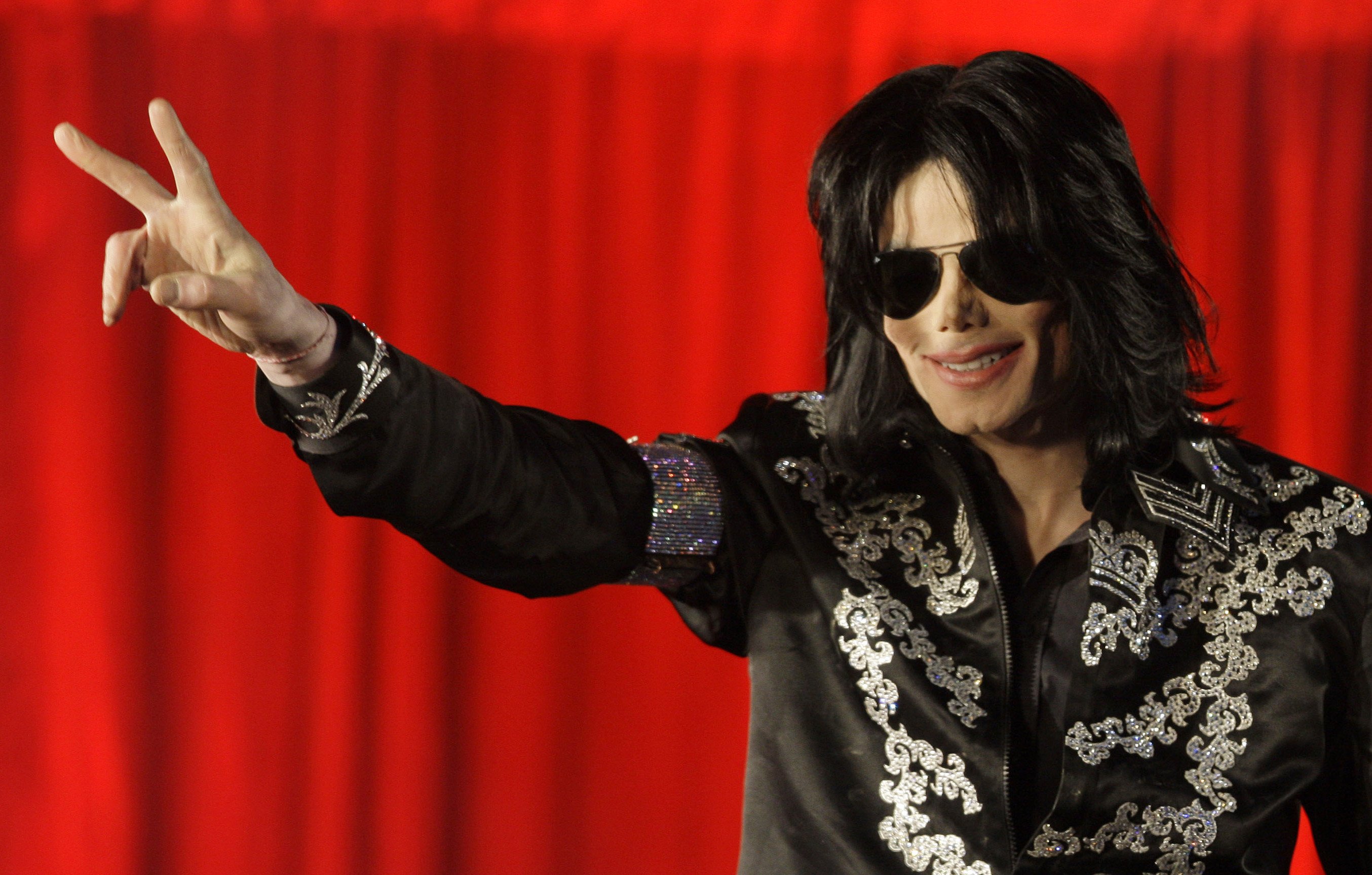 The next day, Randy Phillips wrote in an odd email sent very early in the morning to Tim Leiweke:
"Michael has locked himself in the hotel room. He’s depressed and has been drinking alcohol. I’m trying to keep him awake."
The manager immediately replies to Phillips: "Are you messing with me?"
Phillips continues: "I yelled at him so loudly that the walls shook. Now that it’s showtime, he’s emotionally paralyzed and filled with self-hatred. He’s terrified to the point of death."
Michael had to announce important news within a few hours at a press conference at the O2.
Michael had traveled to this city to attend the press conference and announce the This Is It tour in London. You can download the video of Michael’s remarks at this conference from here. In this video, Michael appears alert and in good spirits.
Now, with this information revealed to the media, Marvin Putnam, the company’s lawyer, says the emails were cherry-picked and exaggerated. He also said that Randy Phillips exaggerated in his emails, and that Michael was only somewhat anxious that day. He also told the Los Angeles Times:
"Michael Jackson was an adult man. It’s an exaggeration to say he couldn’t handle his own affairs."
The company’s lawyer also said that the Jackson family released these emails with the idea of creating a bad image of the company in people’s minds.
In any case, Michael arrived at the conference with a 90-minute delay that day. He gave a very short and brief speech, but that was enough to make his fans even crazier. Michael announced that he would perform ten concerts in London, and the ticket sales website crashed under the rush of buyers. The number of concerts increased from ten to fifty, and one million tickets disappeared within a few hours.
Two months later, Lloyd’s London insured Michael and the company. Under this agreement, accidents during rehearsals in Los Angeles were covered. The plan was that when Michael traveled to London to perform the tour, after being examined by the insurance doctor, he would be covered for illness and even death.
AEG executives met for the first time during a rehearsal session in May with Dr. Conrad Murray, who would later become the killer of Michael Jackson. During last year’s trial, in which Murray was sentenced to four years in prison, the company said that Michael insisted on hiring this doctor with a monthly salary of $150,000.
Murray, who had heavy debts and might lose his house, injected Michael with some propofol every night so he could sleep. Propofol is an anesthetic substance used only in hospitals for surgeries.
The company’s lawyers said that AEG had no knowledge of Murray injecting propofol into Michael. Michael died before Murray was hired by the company. The company never paid Murray any money for his salary.
Some other emails talk about rehearsals in mid-June. In some emails, managers complain that Michael doesn’t show up for meetings, moves slowly, or lip-syncs important songs.
The next day, Randy Phillips wrote in an odd email sent very early in the morning to Tim Leiweke:
"Michael has locked himself in the hotel room. He’s depressed and has been drinking alcohol. I’m trying to keep him awake."
The manager immediately replies to Phillips: "Are you messing with me?"
Phillips continues: "I yelled at him so loudly that the walls shook. Now that it’s showtime, he’s emotionally paralyzed and filled with self-hatred. He’s terrified to the point of death."
Michael had to announce important news within a few hours at a press conference at the O2.
Michael had traveled to this city to attend the press conference and announce the This Is It tour in London. You can download the video of Michael’s remarks at this conference from here. In this video, Michael appears alert and in good spirits.
Now, with this information revealed to the media, Marvin Putnam, the company’s lawyer, says the emails were cherry-picked and exaggerated. He also said that Randy Phillips exaggerated in his emails, and that Michael was only somewhat anxious that day. He also told the Los Angeles Times:
"Michael Jackson was an adult man. It’s an exaggeration to say he couldn’t handle his own affairs."
The company’s lawyer also said that the Jackson family released these emails with the idea of creating a bad image of the company in people’s minds.
In any case, Michael arrived at the conference with a 90-minute delay that day. He gave a very short and brief speech, but that was enough to make his fans even crazier. Michael announced that he would perform ten concerts in London, and the ticket sales website crashed under the rush of buyers. The number of concerts increased from ten to fifty, and one million tickets disappeared within a few hours.
Two months later, Lloyd’s London insured Michael and the company. Under this agreement, accidents during rehearsals in Los Angeles were covered. The plan was that when Michael traveled to London to perform the tour, after being examined by the insurance doctor, he would be covered for illness and even death.
AEG executives met for the first time during a rehearsal session in May with Dr. Conrad Murray, who would later become the killer of Michael Jackson. During last year’s trial, in which Murray was sentenced to four years in prison, the company said that Michael insisted on hiring this doctor with a monthly salary of $150,000.
Murray, who had heavy debts and might lose his house, injected Michael with some propofol every night so he could sleep. Propofol is an anesthetic substance used only in hospitals for surgeries.
The company’s lawyers said that AEG had no knowledge of Murray injecting propofol into Michael. Michael died before Murray was hired by the company. The company never paid Murray any money for his salary.
Some other emails talk about rehearsals in mid-June. In some emails, managers complain that Michael doesn’t show up for meetings, moves slowly, or lip-syncs important songs.
 Michael Bredon, the tour’s music director, wrote in an email: "MJ is still not in a condition to sing these songs live and dance at the same time."
Michael was absent for a week, and when he returned on June 19, he couldn’t perform anything due to weakness. They also became concerned about Michael’s mental and psychological condition. This led Phillips to write to Leiwke in an email: "We have a big problem."
Around those days, Randy Phillips was praising Michael Jackson’s health and his readiness for the tour in the media.
But Kenny Ortega, the tour director for Phillips, wrote that Michael wasn’t ready for the tour and asked him to bring in a psychiatrist.
"There are strong signs of paranoia, anxiety, and obsession. I think the best thing is to bring in an expert psychologist so that his behavior can be evaluated as soon as possible."
Ortega continued: "It seems as if there are two spirits in his body. One is trying to bring him back to what he was and what he can still be, and it asks us to give him time and not give up on him; but the other one is weakening him and causing trouble."
Ortega, who had known Michael for 20 years, had pointed out in the email: "I believe that in dealing with this, we need expert guidance."
Phillips disagreed with Ortega’s request and wrote: "You don’t need you, me, or anyone else to claim knowledge of psychology and medicine."
He wrote that since working with Dr. Murray, he had gained great respect for him, and that Murray had assured them that "Michael is ready."
Phillips continued: "He is an extremely successful doctor. We’ve checked everything. He doesn’t talk out of need for money. He is a selfless, ethical man."
After a meeting held that same day, Michael promised to do better, and Murray said he would help him.
In the final two nights of rehearsals, Michael caused a commotion.
Last year, Kenny Ortega had presented similar information in the trial regarding the charges against Conrad Murray.
At that time, the company claimed in interviews that it had acted with due diligence regarding Kenny Ortega’s concerns and those of others, and that it had monitored Michael and his doctor.
Many emails show that at the same time as Lloyd’s London insurance, the company was pressured to set a time for Michael’s medical examination. Before signing the contract, Lloyd’s had to be sure about Michael’s health. The company tried to discourage Lloyd’s from doing this and suggested that Murray would send them a report on his patient’s health. Lloyd’s did not accept this proposal and insisted on using three of its trusted doctors to test Michael’s heartbeat and handle other matters.
Lloyd’s London had asked the company to provide the complete medical file related to the last five years of Michael Jackson. The company believed that Murray was the best option to prepare this file, and reminded him in at least ten emails to complete it.
On June 25, in the room where Michael Jackson was about to die, Murray wrote back to the company: "Michael does not allow access to his medical records."
Less than an hour later, Michael stopped breathing, suffered a heart attack, and died.
Michael Bredon, the tour’s music director, wrote in an email: "MJ is still not in a condition to sing these songs live and dance at the same time."
Michael was absent for a week, and when he returned on June 19, he couldn’t perform anything due to weakness. They also became concerned about Michael’s mental and psychological condition. This led Phillips to write to Leiwke in an email: "We have a big problem."
Around those days, Randy Phillips was praising Michael Jackson’s health and his readiness for the tour in the media.
But Kenny Ortega, the tour director for Phillips, wrote that Michael wasn’t ready for the tour and asked him to bring in a psychiatrist.
"There are strong signs of paranoia, anxiety, and obsession. I think the best thing is to bring in an expert psychologist so that his behavior can be evaluated as soon as possible."
Ortega continued: "It seems as if there are two spirits in his body. One is trying to bring him back to what he was and what he can still be, and it asks us to give him time and not give up on him; but the other one is weakening him and causing trouble."
Ortega, who had known Michael for 20 years, had pointed out in the email: "I believe that in dealing with this, we need expert guidance."
Phillips disagreed with Ortega’s request and wrote: "You don’t need you, me, or anyone else to claim knowledge of psychology and medicine."
He wrote that since working with Dr. Murray, he had gained great respect for him, and that Murray had assured them that "Michael is ready."
Phillips continued: "He is an extremely successful doctor. We’ve checked everything. He doesn’t talk out of need for money. He is a selfless, ethical man."
After a meeting held that same day, Michael promised to do better, and Murray said he would help him.
In the final two nights of rehearsals, Michael caused a commotion.
Last year, Kenny Ortega had presented similar information in the trial regarding the charges against Conrad Murray.
At that time, the company claimed in interviews that it had acted with due diligence regarding Kenny Ortega’s concerns and those of others, and that it had monitored Michael and his doctor.
Many emails show that at the same time as Lloyd’s London insurance, the company was pressured to set a time for Michael’s medical examination. Before signing the contract, Lloyd’s had to be sure about Michael’s health. The company tried to discourage Lloyd’s from doing this and suggested that Murray would send them a report on his patient’s health. Lloyd’s did not accept this proposal and insisted on using three of its trusted doctors to test Michael’s heartbeat and handle other matters.
Lloyd’s London had asked the company to provide the complete medical file related to the last five years of Michael Jackson. The company believed that Murray was the best option to prepare this file, and reminded him in at least ten emails to complete it.
On June 25, in the room where Michael Jackson was about to die, Murray wrote back to the company: "Michael does not allow access to his medical records."
Less than an hour later, Michael stopped breathing, suffered a heart attack, and died.
 A week later, the company requested its $17.5 million in damages from Lloyd’s London and publicly announced that the main amount of the insurance contract was $35 million.
After some time, it became clear that Michael’s death was profitable for the company. They had sold more than $260 million worth of tickets for the film This Is It.
Two months after Michael’s death, in August, Phillips wrote to his colleague in an email: "Michael’s death is tragic, but life goes on. AEG earns money through the sale of merchandise, ticket sales, his memorabilia shows, and the release of the film’s DVD."
He added: "Of course, I still wish he had been alive."
The leaked emails contain private information that may be true or false about Michael Jackson’s physical and mental condition, but more than anything, they reveal the company’s greed and obsession with getting money.
The company said that this information was provided confidentially to Katherine Jackson and her lawyers, and not to anyone else. They blame Katherine and her lawyers for the leak. If this claim is true, it was probably their reaction to the company’s misconduct—or an attempt to counter them by provoking public emotions.
The company, some time ago, provided questionnaires to Michael Jackson’s mother and children to complete the case file. These included very personal and private questions about Michael, which angered Katherine.
The Jackson family’s lawsuit against this company has been highly controversial, and with the release of this confidential information, it has entered a new phase. This information may inflame fans’ emotions against the company, but from a legal perspective it could change the course of the case proceedings to the detriment of the Jackson family. Beyond that, the re-release of information about Michael’s death has been even more painful for his children and fans, so the main motivation for leaking this information is not very understandable.
The evidence in this case should have remained sealed, and therefore the company, yesterday, filed criminal charges against this family for publishing the documents and asked the court to punish them.
In two motions the company completed in the Los Angeles Superior Court, it requested a $50,000 cash fine and asked for a thorough investigation into how the documents leaked and to identify the human factors related to this violation. A hearing has been scheduled for October 24.
The company also asked the judge to prevent the Jackson family from using the leaked information in court. If the judge approves, Katherine Jackson will not be allowed to use these documents against the company.
Source: eMJey.com / LA Times
A week later, the company requested its $17.5 million in damages from Lloyd’s London and publicly announced that the main amount of the insurance contract was $35 million.
After some time, it became clear that Michael’s death was profitable for the company. They had sold more than $260 million worth of tickets for the film This Is It.
Two months after Michael’s death, in August, Phillips wrote to his colleague in an email: "Michael’s death is tragic, but life goes on. AEG earns money through the sale of merchandise, ticket sales, his memorabilia shows, and the release of the film’s DVD."
He added: "Of course, I still wish he had been alive."
The leaked emails contain private information that may be true or false about Michael Jackson’s physical and mental condition, but more than anything, they reveal the company’s greed and obsession with getting money.
The company said that this information was provided confidentially to Katherine Jackson and her lawyers, and not to anyone else. They blame Katherine and her lawyers for the leak. If this claim is true, it was probably their reaction to the company’s misconduct—or an attempt to counter them by provoking public emotions.
The company, some time ago, provided questionnaires to Michael Jackson’s mother and children to complete the case file. These included very personal and private questions about Michael, which angered Katherine.
The Jackson family’s lawsuit against this company has been highly controversial, and with the release of this confidential information, it has entered a new phase. This information may inflame fans’ emotions against the company, but from a legal perspective it could change the course of the case proceedings to the detriment of the Jackson family. Beyond that, the re-release of information about Michael’s death has been even more painful for his children and fans, so the main motivation for leaking this information is not very understandable.
The evidence in this case should have remained sealed, and therefore the company, yesterday, filed criminal charges against this family for publishing the documents and asked the court to punish them.
In two motions the company completed in the Los Angeles Superior Court, it requested a $50,000 cash fine and asked for a thorough investigation into how the documents leaked and to identify the human factors related to this violation. A hearing has been scheduled for October 24.
The company also asked the judge to prevent the Jackson family from using the leaked information in court. If the judge approves, Katherine Jackson will not be allowed to use these documents against the company.
Source: eMJey.com / LA Times