Joe Vogel: How did Michael Jackson make Bad?
As the release date of Bad 25 approaches, Joe Vogel, author of the book Man in Music, has written another beautiful article about Michael Jackson, which you can read below.
This article explains how an album that became a turning point in history; this pop star became the target of attacks and was called “wacko jacko.” The album has recently turned 25 years old and will be released on three discs.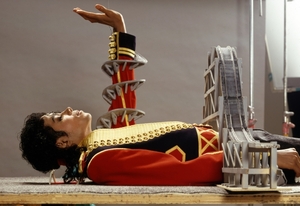 At the height of his fame, Michael Jackson disappeared.
In 1984, you could see him everywhere: on MTV, in Pepsi commercials, at the Grammy Awards, at the White House, in Rolling Stone and Time magazines, and on the Victory concert tour that went across the entire United States.
But the next year, aside from a brief appearance on We Are the World, he wasn’t seen anywhere. In Rolling Stone, Gary Hirsch wrote: “1985 was a black hole for Michael’s audience. They had witnessed the longest absence since the trailing star of Halley disappeared beyond the solar system in 1910.”
This was a strategic staging of his absence—one that understood the power of waiting and confronting a mystery. 1986 passed in the same way. It was said that Jackson had turned his back on the world, was living in secret, and was only seen in a few places.
During this period of absence, a flood of imaginary stories was created—from a temple he built for Elizabeth Taylor to an oxygen room (which they claimed he slept in) and the bones of a dead elephant (which they claimed he had bought). Many of these were harmless and actually entertained people, but the dark side of the story was on its way. Jackson had become the most powerful Black figure in the entertainment industry. Not only had he built his empire by leaning on his record-breaking albums, videos, and live performances; he had also revived CBS/Epic’s fortunes, breathed life into MTV, and set a standard for live performances.
[Michael’s songs were sold under the Epic label—MTV had lost its audience, and this situation ended with Michael’s videos.]
He also, with cleverness, took control of the master copies of the songs he recorded, and with the help of his lawyer, John Branca, he actively continued to buy publishing rights for other artists’ songs—among them songs by Sly and the Family Stone, Ray Charles, and of course the crown jewel of all popular music: the ATV/Beatles catalog (ATV/Beatles).
It’s no coincidence that exactly at this time the tide turned. Suspicion, hatred, and jealousy from industry and media bigwigs became palpable. It was clear that Jackson, contrary to what was often said, wasn’t just a raw, simple child-man, or a man who only danced and sang and wanted to know his place as a mere entertainer and obedient performer. He was smarter than many of the most powerful figures in the industry. Artistically and financially, he was growing. And little by little, he learned how to use his considerable power and cultural influence for social and political goals.
In 1985, James Baldwin wrote about Michael Jackson:
“Soon they won’t forgive him for taking the initiative. Of course he seized that golden opportunity. All this commotion is because of America—the corrupt caretaker of the lives and wealth of Black people; Black people, especially men, in America; and the burning, buried guilt of America, and sex and sexual roles and sexual fear; money, success, and despair.”
Their harsh reaction to Michael wasn’t only due to oddities and weirdness; it was more because of power, money, and a more cunning influence on institutions and the culture of society. In the decades before Jackson, as James Brown said, Black artists in the recording industry often “had a hand in making the show, but not in the business.” And Jackson was a powerful financial force—which made him an enormous target.
From 1985 onward, the media increasingly turned hostile toward this artist. In a note he wrote in 1987, Jackson said: “They’re thirsty for our blood, and they don’t care about our pain.” Tabloids soon set out to ignore and humiliate him using the nickname “Wacko Jacko” (a phrase Michael hated). The term was first used in the British newspaper The Sun in 1985, but its roots go back much further.
“Jacko Macacco” was the name of a monkey that became famous in the early 1820s in gambling contests between monkeys and dogs (a form of monkey-baiting similar to cockfighting in Iran). The word Jacko, or Jacko Macacco, in London became a slang term used to refer to monkeys. The phrase stubbornly entered the twentieth century because in the 1950s, “Jacko Monkeys” puppet monkeys in Britain were very popular with children. These puppets were still present in homes in the 1980s, and you can still find traces of them on eBay today.
The word “Jacko” didn’t appear out of nowhere, and it’s obvious it wasn’t used as a term of affection. In the years that followed, tabloids and mass media used the word so offensively that there was no doubt about their intent. Even for those who didn’t know the racist roots and implied meaning, it was clear that the word was being used to degrade, belittle, and alienate. This was a process of reducing Michael Jackson—a human being and an artist—into a Jacko, a tool for laughter and entertainment. It should be noted that although this word was widely used by white media against Michael Jackson, it was used very rarely among Black journalists—or never at all. And this was the beginning of a hidden current of bad omen that wrapped around Jackson, affecting both his mind and spirit and the public’s psyche—especially in the United States. The struggle between suppression and freedom—or escape—leaks out from within the songs of the Bad album and its video clips.
For example, in the short film Leave Me Alone, Jackson, with cleverness, tells the truth of his life as if he were seen as a “thing” by society. Inspired by the Gulliver travel story collection, Jackson—whose size is beyond the limits of a normal life—is trapped in an amusement park, while dogs wearing suits tighten the locks and fastenings to keep him in his place. In the early part of this video, he sings from inside newspapers and a one-dollar bill. This video is clever and self-aware (and collective awareness); it tests the concepts of being trapped, exploitation, and vigilance.
Part of Jackson’s “disappearance” was also due to the realities of his life. He could no longer walk freely anywhere in the world without being surrounded by people and subjected to searching and scrutiny.
Source: eMJey.com / theatlantic
At the height of his fame, Michael Jackson disappeared.
In 1984, you could see him everywhere: on MTV, in Pepsi commercials, at the Grammy Awards, at the White House, in Rolling Stone and Time magazines, and on the Victory concert tour that went across the entire United States.
But the next year, aside from a brief appearance on We Are the World, he wasn’t seen anywhere. In Rolling Stone, Gary Hirsch wrote: “1985 was a black hole for Michael’s audience. They had witnessed the longest absence since the trailing star of Halley disappeared beyond the solar system in 1910.”
This was a strategic staging of his absence—one that understood the power of waiting and confronting a mystery. 1986 passed in the same way. It was said that Jackson had turned his back on the world, was living in secret, and was only seen in a few places.
During this period of absence, a flood of imaginary stories was created—from a temple he built for Elizabeth Taylor to an oxygen room (which they claimed he slept in) and the bones of a dead elephant (which they claimed he had bought). Many of these were harmless and actually entertained people, but the dark side of the story was on its way. Jackson had become the most powerful Black figure in the entertainment industry. Not only had he built his empire by leaning on his record-breaking albums, videos, and live performances; he had also revived CBS/Epic’s fortunes, breathed life into MTV, and set a standard for live performances.
[Michael’s songs were sold under the Epic label—MTV had lost its audience, and this situation ended with Michael’s videos.]
He also, with cleverness, took control of the master copies of the songs he recorded, and with the help of his lawyer, John Branca, he actively continued to buy publishing rights for other artists’ songs—among them songs by Sly and the Family Stone, Ray Charles, and of course the crown jewel of all popular music: the ATV/Beatles catalog (ATV/Beatles).
It’s no coincidence that exactly at this time the tide turned. Suspicion, hatred, and jealousy from industry and media bigwigs became palpable. It was clear that Jackson, contrary to what was often said, wasn’t just a raw, simple child-man, or a man who only danced and sang and wanted to know his place as a mere entertainer and obedient performer. He was smarter than many of the most powerful figures in the industry. Artistically and financially, he was growing. And little by little, he learned how to use his considerable power and cultural influence for social and political goals.
In 1985, James Baldwin wrote about Michael Jackson:
“Soon they won’t forgive him for taking the initiative. Of course he seized that golden opportunity. All this commotion is because of America—the corrupt caretaker of the lives and wealth of Black people; Black people, especially men, in America; and the burning, buried guilt of America, and sex and sexual roles and sexual fear; money, success, and despair.”
Their harsh reaction to Michael wasn’t only due to oddities and weirdness; it was more because of power, money, and a more cunning influence on institutions and the culture of society. In the decades before Jackson, as James Brown said, Black artists in the recording industry often “had a hand in making the show, but not in the business.” And Jackson was a powerful financial force—which made him an enormous target.
From 1985 onward, the media increasingly turned hostile toward this artist. In a note he wrote in 1987, Jackson said: “They’re thirsty for our blood, and they don’t care about our pain.” Tabloids soon set out to ignore and humiliate him using the nickname “Wacko Jacko” (a phrase Michael hated). The term was first used in the British newspaper The Sun in 1985, but its roots go back much further.
“Jacko Macacco” was the name of a monkey that became famous in the early 1820s in gambling contests between monkeys and dogs (a form of monkey-baiting similar to cockfighting in Iran). The word Jacko, or Jacko Macacco, in London became a slang term used to refer to monkeys. The phrase stubbornly entered the twentieth century because in the 1950s, “Jacko Monkeys” puppet monkeys in Britain were very popular with children. These puppets were still present in homes in the 1980s, and you can still find traces of them on eBay today.
The word “Jacko” didn’t appear out of nowhere, and it’s obvious it wasn’t used as a term of affection. In the years that followed, tabloids and mass media used the word so offensively that there was no doubt about their intent. Even for those who didn’t know the racist roots and implied meaning, it was clear that the word was being used to degrade, belittle, and alienate. This was a process of reducing Michael Jackson—a human being and an artist—into a Jacko, a tool for laughter and entertainment. It should be noted that although this word was widely used by white media against Michael Jackson, it was used very rarely among Black journalists—or never at all. And this was the beginning of a hidden current of bad omen that wrapped around Jackson, affecting both his mind and spirit and the public’s psyche—especially in the United States. The struggle between suppression and freedom—or escape—leaks out from within the songs of the Bad album and its video clips.
For example, in the short film Leave Me Alone, Jackson, with cleverness, tells the truth of his life as if he were seen as a “thing” by society. Inspired by the Gulliver travel story collection, Jackson—whose size is beyond the limits of a normal life—is trapped in an amusement park, while dogs wearing suits tighten the locks and fastenings to keep him in his place. In the early part of this video, he sings from inside newspapers and a one-dollar bill. This video is clever and self-aware (and collective awareness); it tests the concepts of being trapped, exploitation, and vigilance.
Part of Jackson’s “disappearance” was also due to the realities of his life. He could no longer walk freely anywhere in the world without being surrounded by people and subjected to searching and scrutiny.
Source: eMJey.com / theatlantic
 At the height of his fame, Michael Jackson disappeared.
In 1984, you could see him everywhere: on MTV, in Pepsi commercials, at the Grammy Awards, at the White House, in Rolling Stone and Time magazines, and on the Victory concert tour that went across the entire United States.
But the next year, aside from a brief appearance on We Are the World, he wasn’t seen anywhere. In Rolling Stone, Gary Hirsch wrote: “1985 was a black hole for Michael’s audience. They had witnessed the longest absence since the trailing star of Halley disappeared beyond the solar system in 1910.”
This was a strategic staging of his absence—one that understood the power of waiting and confronting a mystery. 1986 passed in the same way. It was said that Jackson had turned his back on the world, was living in secret, and was only seen in a few places.
During this period of absence, a flood of imaginary stories was created—from a temple he built for Elizabeth Taylor to an oxygen room (which they claimed he slept in) and the bones of a dead elephant (which they claimed he had bought). Many of these were harmless and actually entertained people, but the dark side of the story was on its way. Jackson had become the most powerful Black figure in the entertainment industry. Not only had he built his empire by leaning on his record-breaking albums, videos, and live performances; he had also revived CBS/Epic’s fortunes, breathed life into MTV, and set a standard for live performances.
[Michael’s songs were sold under the Epic label—MTV had lost its audience, and this situation ended with Michael’s videos.]
He also, with cleverness, took control of the master copies of the songs he recorded, and with the help of his lawyer, John Branca, he actively continued to buy publishing rights for other artists’ songs—among them songs by Sly and the Family Stone, Ray Charles, and of course the crown jewel of all popular music: the ATV/Beatles catalog (ATV/Beatles).
It’s no coincidence that exactly at this time the tide turned. Suspicion, hatred, and jealousy from industry and media bigwigs became palpable. It was clear that Jackson, contrary to what was often said, wasn’t just a raw, simple child-man, or a man who only danced and sang and wanted to know his place as a mere entertainer and obedient performer. He was smarter than many of the most powerful figures in the industry. Artistically and financially, he was growing. And little by little, he learned how to use his considerable power and cultural influence for social and political goals.
In 1985, James Baldwin wrote about Michael Jackson:
“Soon they won’t forgive him for taking the initiative. Of course he seized that golden opportunity. All this commotion is because of America—the corrupt caretaker of the lives and wealth of Black people; Black people, especially men, in America; and the burning, buried guilt of America, and sex and sexual roles and sexual fear; money, success, and despair.”
Their harsh reaction to Michael wasn’t only due to oddities and weirdness; it was more because of power, money, and a more cunning influence on institutions and the culture of society. In the decades before Jackson, as James Brown said, Black artists in the recording industry often “had a hand in making the show, but not in the business.” And Jackson was a powerful financial force—which made him an enormous target.
From 1985 onward, the media increasingly turned hostile toward this artist. In a note he wrote in 1987, Jackson said: “They’re thirsty for our blood, and they don’t care about our pain.” Tabloids soon set out to ignore and humiliate him using the nickname “Wacko Jacko” (a phrase Michael hated). The term was first used in the British newspaper The Sun in 1985, but its roots go back much further.
“Jacko Macacco” was the name of a monkey that became famous in the early 1820s in gambling contests between monkeys and dogs (a form of monkey-baiting similar to cockfighting in Iran). The word Jacko, or Jacko Macacco, in London became a slang term used to refer to monkeys. The phrase stubbornly entered the twentieth century because in the 1950s, “Jacko Monkeys” puppet monkeys in Britain were very popular with children. These puppets were still present in homes in the 1980s, and you can still find traces of them on eBay today.
The word “Jacko” didn’t appear out of nowhere, and it’s obvious it wasn’t used as a term of affection. In the years that followed, tabloids and mass media used the word so offensively that there was no doubt about their intent. Even for those who didn’t know the racist roots and implied meaning, it was clear that the word was being used to degrade, belittle, and alienate. This was a process of reducing Michael Jackson—a human being and an artist—into a Jacko, a tool for laughter and entertainment. It should be noted that although this word was widely used by white media against Michael Jackson, it was used very rarely among Black journalists—or never at all. And this was the beginning of a hidden current of bad omen that wrapped around Jackson, affecting both his mind and spirit and the public’s psyche—especially in the United States. The struggle between suppression and freedom—or escape—leaks out from within the songs of the Bad album and its video clips.
For example, in the short film Leave Me Alone, Jackson, with cleverness, tells the truth of his life as if he were seen as a “thing” by society. Inspired by the Gulliver travel story collection, Jackson—whose size is beyond the limits of a normal life—is trapped in an amusement park, while dogs wearing suits tighten the locks and fastenings to keep him in his place. In the early part of this video, he sings from inside newspapers and a one-dollar bill. This video is clever and self-aware (and collective awareness); it tests the concepts of being trapped, exploitation, and vigilance.
Part of Jackson’s “disappearance” was also due to the realities of his life. He could no longer walk freely anywhere in the world without being surrounded by people and subjected to searching and scrutiny.
Source: eMJey.com / theatlantic
At the height of his fame, Michael Jackson disappeared.
In 1984, you could see him everywhere: on MTV, in Pepsi commercials, at the Grammy Awards, at the White House, in Rolling Stone and Time magazines, and on the Victory concert tour that went across the entire United States.
But the next year, aside from a brief appearance on We Are the World, he wasn’t seen anywhere. In Rolling Stone, Gary Hirsch wrote: “1985 was a black hole for Michael’s audience. They had witnessed the longest absence since the trailing star of Halley disappeared beyond the solar system in 1910.”
This was a strategic staging of his absence—one that understood the power of waiting and confronting a mystery. 1986 passed in the same way. It was said that Jackson had turned his back on the world, was living in secret, and was only seen in a few places.
During this period of absence, a flood of imaginary stories was created—from a temple he built for Elizabeth Taylor to an oxygen room (which they claimed he slept in) and the bones of a dead elephant (which they claimed he had bought). Many of these were harmless and actually entertained people, but the dark side of the story was on its way. Jackson had become the most powerful Black figure in the entertainment industry. Not only had he built his empire by leaning on his record-breaking albums, videos, and live performances; he had also revived CBS/Epic’s fortunes, breathed life into MTV, and set a standard for live performances.
[Michael’s songs were sold under the Epic label—MTV had lost its audience, and this situation ended with Michael’s videos.]
He also, with cleverness, took control of the master copies of the songs he recorded, and with the help of his lawyer, John Branca, he actively continued to buy publishing rights for other artists’ songs—among them songs by Sly and the Family Stone, Ray Charles, and of course the crown jewel of all popular music: the ATV/Beatles catalog (ATV/Beatles).
It’s no coincidence that exactly at this time the tide turned. Suspicion, hatred, and jealousy from industry and media bigwigs became palpable. It was clear that Jackson, contrary to what was often said, wasn’t just a raw, simple child-man, or a man who only danced and sang and wanted to know his place as a mere entertainer and obedient performer. He was smarter than many of the most powerful figures in the industry. Artistically and financially, he was growing. And little by little, he learned how to use his considerable power and cultural influence for social and political goals.
In 1985, James Baldwin wrote about Michael Jackson:
“Soon they won’t forgive him for taking the initiative. Of course he seized that golden opportunity. All this commotion is because of America—the corrupt caretaker of the lives and wealth of Black people; Black people, especially men, in America; and the burning, buried guilt of America, and sex and sexual roles and sexual fear; money, success, and despair.”
Their harsh reaction to Michael wasn’t only due to oddities and weirdness; it was more because of power, money, and a more cunning influence on institutions and the culture of society. In the decades before Jackson, as James Brown said, Black artists in the recording industry often “had a hand in making the show, but not in the business.” And Jackson was a powerful financial force—which made him an enormous target.
From 1985 onward, the media increasingly turned hostile toward this artist. In a note he wrote in 1987, Jackson said: “They’re thirsty for our blood, and they don’t care about our pain.” Tabloids soon set out to ignore and humiliate him using the nickname “Wacko Jacko” (a phrase Michael hated). The term was first used in the British newspaper The Sun in 1985, but its roots go back much further.
“Jacko Macacco” was the name of a monkey that became famous in the early 1820s in gambling contests between monkeys and dogs (a form of monkey-baiting similar to cockfighting in Iran). The word Jacko, or Jacko Macacco, in London became a slang term used to refer to monkeys. The phrase stubbornly entered the twentieth century because in the 1950s, “Jacko Monkeys” puppet monkeys in Britain were very popular with children. These puppets were still present in homes in the 1980s, and you can still find traces of them on eBay today.
The word “Jacko” didn’t appear out of nowhere, and it’s obvious it wasn’t used as a term of affection. In the years that followed, tabloids and mass media used the word so offensively that there was no doubt about their intent. Even for those who didn’t know the racist roots and implied meaning, it was clear that the word was being used to degrade, belittle, and alienate. This was a process of reducing Michael Jackson—a human being and an artist—into a Jacko, a tool for laughter and entertainment. It should be noted that although this word was widely used by white media against Michael Jackson, it was used very rarely among Black journalists—or never at all. And this was the beginning of a hidden current of bad omen that wrapped around Jackson, affecting both his mind and spirit and the public’s psyche—especially in the United States. The struggle between suppression and freedom—or escape—leaks out from within the songs of the Bad album and its video clips.
For example, in the short film Leave Me Alone, Jackson, with cleverness, tells the truth of his life as if he were seen as a “thing” by society. Inspired by the Gulliver travel story collection, Jackson—whose size is beyond the limits of a normal life—is trapped in an amusement park, while dogs wearing suits tighten the locks and fastenings to keep him in his place. In the early part of this video, he sings from inside newspapers and a one-dollar bill. This video is clever and self-aware (and collective awareness); it tests the concepts of being trapped, exploitation, and vigilance.
Part of Jackson’s “disappearance” was also due to the realities of his life. He could no longer walk freely anywhere in the world without being surrounded by people and subjected to searching and scrutiny.
Source: eMJey.com / theatlantic