Bad 25 Documentary Premieres in Venice (+ Comments by Spike Lee and Critics)
On Friday, exactly on the 25th anniversary of the release of the album "Bad" and two days after his 54th birthday, the Bad 25 documentary by Spike Lee premiered at the Venice Film Festival.
The reception was exactly what you’d expect: very "Bad," full of clapping, whistles, cheers—and of course, the moonwalk! After that, Spike Lee spoke about the film at a press conference.
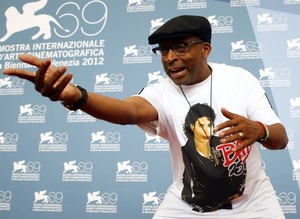 Words from the director:
Spike Lee, who previously in 1996 made two videos with Michael for the song They don’t Care About Us, said that Michael’s children are eager to learn more about their father, and that this film introduces Michael to them even more.
He added: "What made me want to make this film was that I received a letter from Sony and the Michael Foundation saying they wanted a documentary that focused only on the music. And we (I’m not one of these people, of course) had spent years focusing on things that had nothing to do with his music. And now is the time to focus on his music and his genius. We always see the result of the work, but the tears and sweat that went into it are kept out of sight."
"His philosophy was to absorb the way of life of great people and become bigger than them. Gene Kelly, Fred Astaire, Stevie Wonder, Marvin Gaye, James Brown—he kept learning, but not only from musicians. He learned from photographers, dancers, painters,... from everything that the greats had created."
"This documentary is my love letter to Michael Jackson. I was born in 1957 and Michael was born in 1958. When I first saw Michael’s performance on The Ed Sullivan Show with the Jackson Five, I wanted to become Michael Jackson. I made my hair African like his, but I couldn’t read and I couldn’t dance... I grew up with Michael."
"When he died, I was miserable for months, and even my husband and children asked me what had happened to me. I looked at my iPod—and of course it’s embarrassing to say this—but Off The Wall was the only album of his that I had on my iPod. I had bought his CDs, but on my iPod I only had one of his albums. I went to Apple Records and told them I wanted all Michael Jackson’s songs: the Jackson Five, the Jacksons, and Michael Jackson. And seven days a week, 24 hours a day, I listened to them. The next year, my family hated me because the only thing I listened to was Michael Jackson."
"As Joe Vogel says in the film, when John Lennon was assassinated, people went to Imagine, and when Michael died, people listened to Man In The Mirror. I don’t want to say that Michael wanted to look like Jesus Christ, but look at his performance at Wembley. He isn’t in this world. It’s one of the best performances in the entire history. When Michael sings this song, he isn’t in this world—he’s traveling somewhere else. I can’t say why he opens his arms at the end of the performance."
Spike Lee also said that collaborators were required to use the phrase "short film" for Michael Jackson clips, and that Michael wouldn’t allow anyone to call them "music videos." He explains:
"A film is more artistic than a music video, and by watching his works you realize that they are truly short films, not music videos."
In the end, Lee pointed out that Michael and he were involved in the song We Love Roll Call Y-All from Spike Lee’s film Do the Right Thing, released in 1989, but for reasons Lee didn’t say, their names were not included in the credits list.
Lee said that to make this documentary, he had access to the entire audio and visual archive of the Bad era, and therefore we’re going to see things in this film that we’ve never seen.
Television broadcast:
Spike Lee confirmed that the U.S. network ABC has obtained the rights to air the film on television, and that this year’s Thanksgiving will bring Bad 25 to people’s homes.
These people appear in the Bad 25 documentary:
Michael Jackson, Quincy Jones, Antonio Reid, John Branca, John McClain, Greg Phillinganes, Cida Garrett, Bruce Swedien, Jerry Hey, Vincent Patterson, Martin Scorsese, Amir Thompson, Mariah Carey, Sheryl Crow, Kanye West, Stevie Wonder, Justin Bieber, Cee Lo Green, Andrea Harley, Richard Price, Karen Langford, Joe Pytka, Colin Chilvers, Jim Belsfield, Ollie Brown, Jeffrey Daniel, Walter Yetnikoff, Nelson George, Joe Vogel, Daniel Smith, Lisa Robinson, Ron Powers, John Barnes, Ruben Blades, Will.i.am, Miko Brando, Jason King, Tatiana Thumbtzen, Sete Riggs, Matt Forger, Andraé Crouch, Jerry Kramer and Chris Brown.
Words from the director:
Spike Lee, who previously in 1996 made two videos with Michael for the song They don’t Care About Us, said that Michael’s children are eager to learn more about their father, and that this film introduces Michael to them even more.
He added: "What made me want to make this film was that I received a letter from Sony and the Michael Foundation saying they wanted a documentary that focused only on the music. And we (I’m not one of these people, of course) had spent years focusing on things that had nothing to do with his music. And now is the time to focus on his music and his genius. We always see the result of the work, but the tears and sweat that went into it are kept out of sight."
"His philosophy was to absorb the way of life of great people and become bigger than them. Gene Kelly, Fred Astaire, Stevie Wonder, Marvin Gaye, James Brown—he kept learning, but not only from musicians. He learned from photographers, dancers, painters,... from everything that the greats had created."
"This documentary is my love letter to Michael Jackson. I was born in 1957 and Michael was born in 1958. When I first saw Michael’s performance on The Ed Sullivan Show with the Jackson Five, I wanted to become Michael Jackson. I made my hair African like his, but I couldn’t read and I couldn’t dance... I grew up with Michael."
"When he died, I was miserable for months, and even my husband and children asked me what had happened to me. I looked at my iPod—and of course it’s embarrassing to say this—but Off The Wall was the only album of his that I had on my iPod. I had bought his CDs, but on my iPod I only had one of his albums. I went to Apple Records and told them I wanted all Michael Jackson’s songs: the Jackson Five, the Jacksons, and Michael Jackson. And seven days a week, 24 hours a day, I listened to them. The next year, my family hated me because the only thing I listened to was Michael Jackson."
"As Joe Vogel says in the film, when John Lennon was assassinated, people went to Imagine, and when Michael died, people listened to Man In The Mirror. I don’t want to say that Michael wanted to look like Jesus Christ, but look at his performance at Wembley. He isn’t in this world. It’s one of the best performances in the entire history. When Michael sings this song, he isn’t in this world—he’s traveling somewhere else. I can’t say why he opens his arms at the end of the performance."
Spike Lee also said that collaborators were required to use the phrase "short film" for Michael Jackson clips, and that Michael wouldn’t allow anyone to call them "music videos." He explains:
"A film is more artistic than a music video, and by watching his works you realize that they are truly short films, not music videos."
In the end, Lee pointed out that Michael and he were involved in the song We Love Roll Call Y-All from Spike Lee’s film Do the Right Thing, released in 1989, but for reasons Lee didn’t say, their names were not included in the credits list.
Lee said that to make this documentary, he had access to the entire audio and visual archive of the Bad era, and therefore we’re going to see things in this film that we’ve never seen.
Television broadcast:
Spike Lee confirmed that the U.S. network ABC has obtained the rights to air the film on television, and that this year’s Thanksgiving will bring Bad 25 to people’s homes.
These people appear in the Bad 25 documentary:
Michael Jackson, Quincy Jones, Antonio Reid, John Branca, John McClain, Greg Phillinganes, Cida Garrett, Bruce Swedien, Jerry Hey, Vincent Patterson, Martin Scorsese, Amir Thompson, Mariah Carey, Sheryl Crow, Kanye West, Stevie Wonder, Justin Bieber, Cee Lo Green, Andrea Harley, Richard Price, Karen Langford, Joe Pytka, Colin Chilvers, Jim Belsfield, Ollie Brown, Jeffrey Daniel, Walter Yetnikoff, Nelson George, Joe Vogel, Daniel Smith, Lisa Robinson, Ron Powers, John Barnes, Ruben Blades, Will.i.am, Miko Brando, Jason King, Tatiana Thumbtzen, Sete Riggs, Matt Forger, Andraé Crouch, Jerry Kramer and Chris Brown.
 What critics said:
Variety:
"The best-selling album trailer is the one that introduced Michael as the master of this industry, but it was Bad that put Michael in the spotlight. Bad remained too much in the shadow of the trailer, and Spike Lee, with a comprehensive and entertaining documentary, has provided the conditions for this album’s renewed rise. Compared to the film This Is It, this documentary is a stronger tribute to the musical creativity of this music monarch.
This is not a critical film, and if a viewer is looking for a critique of Michael Jackson’s works, they’ve taken the wrong path. But still, the filmmaker leaves room for criticism of the mistakes that occurred at the time this album was released. For example, their mistakes about Michael’s collaboration with Stevie Wonder (Just Good Friends), or the story of I Just Can’t Stop Loving You being treated as the first single, when it was initially supposed to be a joint collaboration between Michael and Whitney Houston.
Spike Lee cleverly shrugs off the documentary narrative and places it on the shoulders of a huge group of artists who move the film forward with their own words. The film looks at the Bad album track by track.
The film focuses on Michael Jackson’s talent as a songwriter, producer, dancer, and singer, and one of its surprising scenes is related to his vocal rehearsals."
Reuters:
"This documentary shows just how involved Jackson was in the details, and it’s a reminder of why he became the king of pop. It’s a surprising gift for Jackson fans. It portrays a genius at work—someone who paid close attention to every detail and every dimension of the work.
While making this documentary, supported by the Foundation and Sony, he had access to all the key elements of the album that became a turning point in Jackson’s career."
Scenes in this documentary bring the main character, Michael Jackson, right in front of us: his appeal to women, his competitive temperament, his professionalism, his obsessive attention to details, and his dancing.
Cee Lo Green recalls how Michael used to joke with him during the recording of I Just Can’t Stop Loving You by throwing popcorn at him, but his behavior with men was not like that. From Quincy Jones’ perspective, Michael was a smart person who constantly found fault with the details of the work. Quincy says Michael didn’t belong to this world... «He wasn’t made for this world.»
Sheryl Crow, in the documentary, describes how she was always asked whether performing this song together on tour would excite Michael. Crow, as always, dodges giving an answer.
Tatiana Thumbtzen, an actress from The Way You Make Me Feel, says that the peppermint scent that came out of Michael’s mouth in the final scene of this clip made her think that maybe Michael was ready for a kiss, even though the strict rules of the job meant he was only allowed to embrace a pop star.
John Branca, Michael’s lawyer and the current head of his Foundation, recalls a shared meeting with Michael and the Black singer Prince. On that day, Prince had a magic box with him, and Michael was afraid that Prince would put a spell on him. Michael saw Prince as a major rival, and that competitive feeling is what led Thriller to be born as the best-selling album in history—so that Michael would be sure he had no rival. After that, for extra security, he released Bad.
He had written the number "100,000,000" on his mirror to always remember that his goal was to reach $100 million in sales for Bad. While Thriller sold 110 million copies, Bad sold between 30 and 45 million copies.
In a scene from the film, Jackson uses his body and face to demonstrate the poses that a series of advertising animated characters depict.
In the film’s more serious section, Spike Lee goes to Jackson’s African roots and the importance of this for him.
Many of the interviewees, when recalling hearing the news of Jackson’s death, cannot stop their tears from falling, and many say they didn’t believe the news.
Sheryl Crow tries hard to describe Michael’s talent. She says that in Michael’s presence, molecules would change... «He changed the molecules.»
At the end of the film, a performance of Man in the Mirror is added, in which Michael opens his arms and forms a cross. At the press conference, Spike Lee said: «Michael isn’t here to answer you. I can’t say whether he was trying to look like Jesus Christ, but look at this performance—he’s traveling in another world. This is one of the best performances in history. When he sings this song, it isn’t this world.»"
Hollywood Reporter:
"It may have seemed like Kenny Ortega preserved Michael Jackson’s legacy with This Is It, but Spike Lee’s work is better than his.
Spike Lee is thirsty for details. Who would remember that one of the first Wesley Snipes roles in the short film Bad happened, or that Jackson’s homage to Mavis Staples was in the catchphrase "Chamone" (Chamone or Shamone)? Or the line "Annie, are you OK"—a phrase that became popular in the 1970s in training sessions for performing CPR on mannequins?
It’s clear that Spike Lee enjoyed making this documentary as much as people will enjoy watching it. Scorsese and Richard Price are in the film. Price is the writer of the Bad film script—though I should say the script is amazing.
In this film, Spike Lee doesn’t just use the presence of stars; he also goes to directors, recording engineers, voice coaches, actors, designers, managers, lawyers, writers, and journalists.
Of course, the film doesn’t avoid negative points, and it also addresses the inevitable controversies that arose alongside the album’s release: the nickname Wacko Jacko, racism and hostility toward Jackson at a time when his success was soaring, or when he stepped onto the forbidden territory and bought Beatles songs. But the film’s main focus is on Jackson’s artistic achievements."
The Independent:
"Sadly, what the film doesn’t address is Michael Jackson’s inner world. In this film, we see very emotional interviews with people who break down and cry. They talk about Michael’s talent, but it’s not clear why Michael matters to them so much. This film doesn’t say what made Michael Jackson, Michael Jackson.
At the beginning of the film, we hear a quote from James Baldwin: «Strange creatures are called strange, and they are treated with the same ugliness that is now used against them. Because they are a loud echo of our fears and our hopes.»
Martin Scorsese is one of the interviewees. In this film, we learn that the videos for this album were inspired by artists such as Fred Astaire and Bandwagon, or Orson Welles in the film The Third Man."
Source: eMJey.com
What critics said:
Variety:
"The best-selling album trailer is the one that introduced Michael as the master of this industry, but it was Bad that put Michael in the spotlight. Bad remained too much in the shadow of the trailer, and Spike Lee, with a comprehensive and entertaining documentary, has provided the conditions for this album’s renewed rise. Compared to the film This Is It, this documentary is a stronger tribute to the musical creativity of this music monarch.
This is not a critical film, and if a viewer is looking for a critique of Michael Jackson’s works, they’ve taken the wrong path. But still, the filmmaker leaves room for criticism of the mistakes that occurred at the time this album was released. For example, their mistakes about Michael’s collaboration with Stevie Wonder (Just Good Friends), or the story of I Just Can’t Stop Loving You being treated as the first single, when it was initially supposed to be a joint collaboration between Michael and Whitney Houston.
Spike Lee cleverly shrugs off the documentary narrative and places it on the shoulders of a huge group of artists who move the film forward with their own words. The film looks at the Bad album track by track.
The film focuses on Michael Jackson’s talent as a songwriter, producer, dancer, and singer, and one of its surprising scenes is related to his vocal rehearsals."
Reuters:
"This documentary shows just how involved Jackson was in the details, and it’s a reminder of why he became the king of pop. It’s a surprising gift for Jackson fans. It portrays a genius at work—someone who paid close attention to every detail and every dimension of the work.
While making this documentary, supported by the Foundation and Sony, he had access to all the key elements of the album that became a turning point in Jackson’s career."
Scenes in this documentary bring the main character, Michael Jackson, right in front of us: his appeal to women, his competitive temperament, his professionalism, his obsessive attention to details, and his dancing.
Cee Lo Green recalls how Michael used to joke with him during the recording of I Just Can’t Stop Loving You by throwing popcorn at him, but his behavior with men was not like that. From Quincy Jones’ perspective, Michael was a smart person who constantly found fault with the details of the work. Quincy says Michael didn’t belong to this world... «He wasn’t made for this world.»
Sheryl Crow, in the documentary, describes how she was always asked whether performing this song together on tour would excite Michael. Crow, as always, dodges giving an answer.
Tatiana Thumbtzen, an actress from The Way You Make Me Feel, says that the peppermint scent that came out of Michael’s mouth in the final scene of this clip made her think that maybe Michael was ready for a kiss, even though the strict rules of the job meant he was only allowed to embrace a pop star.
John Branca, Michael’s lawyer and the current head of his Foundation, recalls a shared meeting with Michael and the Black singer Prince. On that day, Prince had a magic box with him, and Michael was afraid that Prince would put a spell on him. Michael saw Prince as a major rival, and that competitive feeling is what led Thriller to be born as the best-selling album in history—so that Michael would be sure he had no rival. After that, for extra security, he released Bad.
He had written the number "100,000,000" on his mirror to always remember that his goal was to reach $100 million in sales for Bad. While Thriller sold 110 million copies, Bad sold between 30 and 45 million copies.
In a scene from the film, Jackson uses his body and face to demonstrate the poses that a series of advertising animated characters depict.
In the film’s more serious section, Spike Lee goes to Jackson’s African roots and the importance of this for him.
Many of the interviewees, when recalling hearing the news of Jackson’s death, cannot stop their tears from falling, and many say they didn’t believe the news.
Sheryl Crow tries hard to describe Michael’s talent. She says that in Michael’s presence, molecules would change... «He changed the molecules.»
At the end of the film, a performance of Man in the Mirror is added, in which Michael opens his arms and forms a cross. At the press conference, Spike Lee said: «Michael isn’t here to answer you. I can’t say whether he was trying to look like Jesus Christ, but look at this performance—he’s traveling in another world. This is one of the best performances in history. When he sings this song, it isn’t this world.»"
Hollywood Reporter:
"It may have seemed like Kenny Ortega preserved Michael Jackson’s legacy with This Is It, but Spike Lee’s work is better than his.
Spike Lee is thirsty for details. Who would remember that one of the first Wesley Snipes roles in the short film Bad happened, or that Jackson’s homage to Mavis Staples was in the catchphrase "Chamone" (Chamone or Shamone)? Or the line "Annie, are you OK"—a phrase that became popular in the 1970s in training sessions for performing CPR on mannequins?
It’s clear that Spike Lee enjoyed making this documentary as much as people will enjoy watching it. Scorsese and Richard Price are in the film. Price is the writer of the Bad film script—though I should say the script is amazing.
In this film, Spike Lee doesn’t just use the presence of stars; he also goes to directors, recording engineers, voice coaches, actors, designers, managers, lawyers, writers, and journalists.
Of course, the film doesn’t avoid negative points, and it also addresses the inevitable controversies that arose alongside the album’s release: the nickname Wacko Jacko, racism and hostility toward Jackson at a time when his success was soaring, or when he stepped onto the forbidden territory and bought Beatles songs. But the film’s main focus is on Jackson’s artistic achievements."
The Independent:
"Sadly, what the film doesn’t address is Michael Jackson’s inner world. In this film, we see very emotional interviews with people who break down and cry. They talk about Michael’s talent, but it’s not clear why Michael matters to them so much. This film doesn’t say what made Michael Jackson, Michael Jackson.
At the beginning of the film, we hear a quote from James Baldwin: «Strange creatures are called strange, and they are treated with the same ugliness that is now used against them. Because they are a loud echo of our fears and our hopes.»
Martin Scorsese is one of the interviewees. In this film, we learn that the videos for this album were inspired by artists such as Fred Astaire and Bandwagon, or Orson Welles in the film The Third Man."
Source: eMJey.com
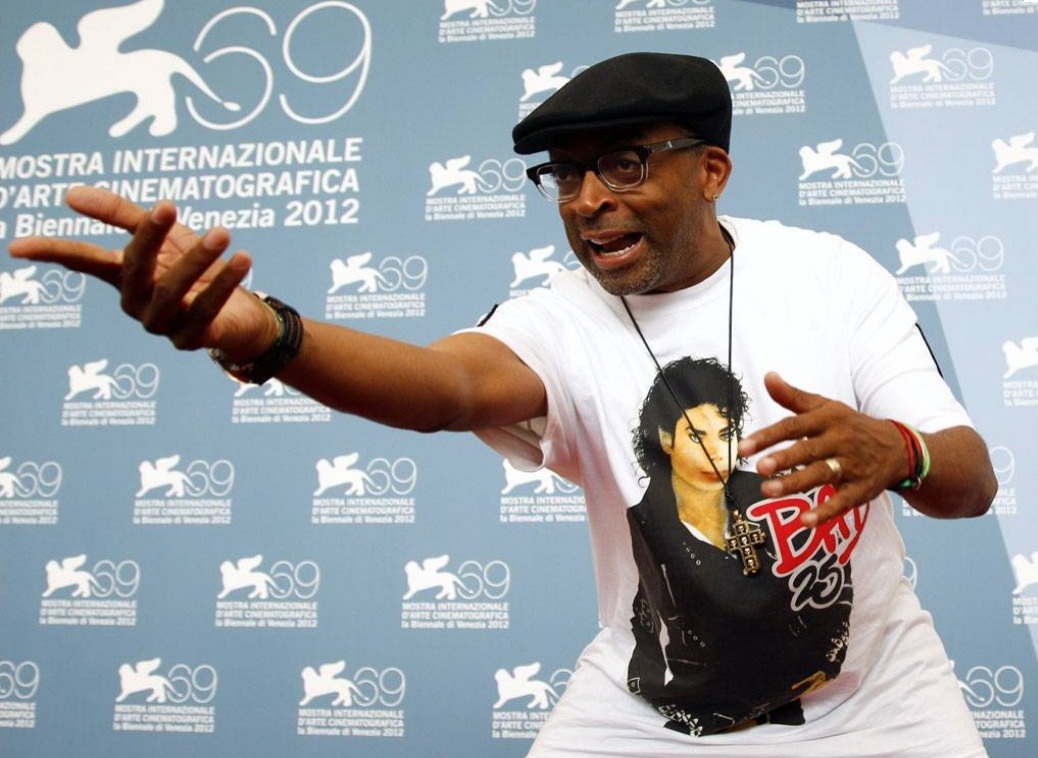 Words from the director:
Spike Lee, who previously in 1996 made two videos with Michael for the song They don’t Care About Us, said that Michael’s children are eager to learn more about their father, and that this film introduces Michael to them even more.
He added: "What made me want to make this film was that I received a letter from Sony and the Michael Foundation saying they wanted a documentary that focused only on the music. And we (I’m not one of these people, of course) had spent years focusing on things that had nothing to do with his music. And now is the time to focus on his music and his genius. We always see the result of the work, but the tears and sweat that went into it are kept out of sight."
"His philosophy was to absorb the way of life of great people and become bigger than them. Gene Kelly, Fred Astaire, Stevie Wonder, Marvin Gaye, James Brown—he kept learning, but not only from musicians. He learned from photographers, dancers, painters,... from everything that the greats had created."
"This documentary is my love letter to Michael Jackson. I was born in 1957 and Michael was born in 1958. When I first saw Michael’s performance on The Ed Sullivan Show with the Jackson Five, I wanted to become Michael Jackson. I made my hair African like his, but I couldn’t read and I couldn’t dance... I grew up with Michael."
"When he died, I was miserable for months, and even my husband and children asked me what had happened to me. I looked at my iPod—and of course it’s embarrassing to say this—but Off The Wall was the only album of his that I had on my iPod. I had bought his CDs, but on my iPod I only had one of his albums. I went to Apple Records and told them I wanted all Michael Jackson’s songs: the Jackson Five, the Jacksons, and Michael Jackson. And seven days a week, 24 hours a day, I listened to them. The next year, my family hated me because the only thing I listened to was Michael Jackson."
"As Joe Vogel says in the film, when John Lennon was assassinated, people went to Imagine, and when Michael died, people listened to Man In The Mirror. I don’t want to say that Michael wanted to look like Jesus Christ, but look at his performance at Wembley. He isn’t in this world. It’s one of the best performances in the entire history. When Michael sings this song, he isn’t in this world—he’s traveling somewhere else. I can’t say why he opens his arms at the end of the performance."
Spike Lee also said that collaborators were required to use the phrase "short film" for Michael Jackson clips, and that Michael wouldn’t allow anyone to call them "music videos." He explains:
"A film is more artistic than a music video, and by watching his works you realize that they are truly short films, not music videos."
In the end, Lee pointed out that Michael and he were involved in the song We Love Roll Call Y-All from Spike Lee’s film Do the Right Thing, released in 1989, but for reasons Lee didn’t say, their names were not included in the credits list.
Lee said that to make this documentary, he had access to the entire audio and visual archive of the Bad era, and therefore we’re going to see things in this film that we’ve never seen.
Television broadcast:
Spike Lee confirmed that the U.S. network ABC has obtained the rights to air the film on television, and that this year’s Thanksgiving will bring Bad 25 to people’s homes.
These people appear in the Bad 25 documentary:
Michael Jackson, Quincy Jones, Antonio Reid, John Branca, John McClain, Greg Phillinganes, Cida Garrett, Bruce Swedien, Jerry Hey, Vincent Patterson, Martin Scorsese, Amir Thompson, Mariah Carey, Sheryl Crow, Kanye West, Stevie Wonder, Justin Bieber, Cee Lo Green, Andrea Harley, Richard Price, Karen Langford, Joe Pytka, Colin Chilvers, Jim Belsfield, Ollie Brown, Jeffrey Daniel, Walter Yetnikoff, Nelson George, Joe Vogel, Daniel Smith, Lisa Robinson, Ron Powers, John Barnes, Ruben Blades, Will.i.am, Miko Brando, Jason King, Tatiana Thumbtzen, Sete Riggs, Matt Forger, Andraé Crouch, Jerry Kramer and Chris Brown.
Words from the director:
Spike Lee, who previously in 1996 made two videos with Michael for the song They don’t Care About Us, said that Michael’s children are eager to learn more about their father, and that this film introduces Michael to them even more.
He added: "What made me want to make this film was that I received a letter from Sony and the Michael Foundation saying they wanted a documentary that focused only on the music. And we (I’m not one of these people, of course) had spent years focusing on things that had nothing to do with his music. And now is the time to focus on his music and his genius. We always see the result of the work, but the tears and sweat that went into it are kept out of sight."
"His philosophy was to absorb the way of life of great people and become bigger than them. Gene Kelly, Fred Astaire, Stevie Wonder, Marvin Gaye, James Brown—he kept learning, but not only from musicians. He learned from photographers, dancers, painters,... from everything that the greats had created."
"This documentary is my love letter to Michael Jackson. I was born in 1957 and Michael was born in 1958. When I first saw Michael’s performance on The Ed Sullivan Show with the Jackson Five, I wanted to become Michael Jackson. I made my hair African like his, but I couldn’t read and I couldn’t dance... I grew up with Michael."
"When he died, I was miserable for months, and even my husband and children asked me what had happened to me. I looked at my iPod—and of course it’s embarrassing to say this—but Off The Wall was the only album of his that I had on my iPod. I had bought his CDs, but on my iPod I only had one of his albums. I went to Apple Records and told them I wanted all Michael Jackson’s songs: the Jackson Five, the Jacksons, and Michael Jackson. And seven days a week, 24 hours a day, I listened to them. The next year, my family hated me because the only thing I listened to was Michael Jackson."
"As Joe Vogel says in the film, when John Lennon was assassinated, people went to Imagine, and when Michael died, people listened to Man In The Mirror. I don’t want to say that Michael wanted to look like Jesus Christ, but look at his performance at Wembley. He isn’t in this world. It’s one of the best performances in the entire history. When Michael sings this song, he isn’t in this world—he’s traveling somewhere else. I can’t say why he opens his arms at the end of the performance."
Spike Lee also said that collaborators were required to use the phrase "short film" for Michael Jackson clips, and that Michael wouldn’t allow anyone to call them "music videos." He explains:
"A film is more artistic than a music video, and by watching his works you realize that they are truly short films, not music videos."
In the end, Lee pointed out that Michael and he were involved in the song We Love Roll Call Y-All from Spike Lee’s film Do the Right Thing, released in 1989, but for reasons Lee didn’t say, their names were not included in the credits list.
Lee said that to make this documentary, he had access to the entire audio and visual archive of the Bad era, and therefore we’re going to see things in this film that we’ve never seen.
Television broadcast:
Spike Lee confirmed that the U.S. network ABC has obtained the rights to air the film on television, and that this year’s Thanksgiving will bring Bad 25 to people’s homes.
These people appear in the Bad 25 documentary:
Michael Jackson, Quincy Jones, Antonio Reid, John Branca, John McClain, Greg Phillinganes, Cida Garrett, Bruce Swedien, Jerry Hey, Vincent Patterson, Martin Scorsese, Amir Thompson, Mariah Carey, Sheryl Crow, Kanye West, Stevie Wonder, Justin Bieber, Cee Lo Green, Andrea Harley, Richard Price, Karen Langford, Joe Pytka, Colin Chilvers, Jim Belsfield, Ollie Brown, Jeffrey Daniel, Walter Yetnikoff, Nelson George, Joe Vogel, Daniel Smith, Lisa Robinson, Ron Powers, John Barnes, Ruben Blades, Will.i.am, Miko Brando, Jason King, Tatiana Thumbtzen, Sete Riggs, Matt Forger, Andraé Crouch, Jerry Kramer and Chris Brown.
 What critics said:
Variety:
"The best-selling album trailer is the one that introduced Michael as the master of this industry, but it was Bad that put Michael in the spotlight. Bad remained too much in the shadow of the trailer, and Spike Lee, with a comprehensive and entertaining documentary, has provided the conditions for this album’s renewed rise. Compared to the film This Is It, this documentary is a stronger tribute to the musical creativity of this music monarch.
This is not a critical film, and if a viewer is looking for a critique of Michael Jackson’s works, they’ve taken the wrong path. But still, the filmmaker leaves room for criticism of the mistakes that occurred at the time this album was released. For example, their mistakes about Michael’s collaboration with Stevie Wonder (Just Good Friends), or the story of I Just Can’t Stop Loving You being treated as the first single, when it was initially supposed to be a joint collaboration between Michael and Whitney Houston.
Spike Lee cleverly shrugs off the documentary narrative and places it on the shoulders of a huge group of artists who move the film forward with their own words. The film looks at the Bad album track by track.
The film focuses on Michael Jackson’s talent as a songwriter, producer, dancer, and singer, and one of its surprising scenes is related to his vocal rehearsals."
Reuters:
"This documentary shows just how involved Jackson was in the details, and it’s a reminder of why he became the king of pop. It’s a surprising gift for Jackson fans. It portrays a genius at work—someone who paid close attention to every detail and every dimension of the work.
While making this documentary, supported by the Foundation and Sony, he had access to all the key elements of the album that became a turning point in Jackson’s career."
Scenes in this documentary bring the main character, Michael Jackson, right in front of us: his appeal to women, his competitive temperament, his professionalism, his obsessive attention to details, and his dancing.
Cee Lo Green recalls how Michael used to joke with him during the recording of I Just Can’t Stop Loving You by throwing popcorn at him, but his behavior with men was not like that. From Quincy Jones’ perspective, Michael was a smart person who constantly found fault with the details of the work. Quincy says Michael didn’t belong to this world... «He wasn’t made for this world.»
Sheryl Crow, in the documentary, describes how she was always asked whether performing this song together on tour would excite Michael. Crow, as always, dodges giving an answer.
Tatiana Thumbtzen, an actress from The Way You Make Me Feel, says that the peppermint scent that came out of Michael’s mouth in the final scene of this clip made her think that maybe Michael was ready for a kiss, even though the strict rules of the job meant he was only allowed to embrace a pop star.
John Branca, Michael’s lawyer and the current head of his Foundation, recalls a shared meeting with Michael and the Black singer Prince. On that day, Prince had a magic box with him, and Michael was afraid that Prince would put a spell on him. Michael saw Prince as a major rival, and that competitive feeling is what led Thriller to be born as the best-selling album in history—so that Michael would be sure he had no rival. After that, for extra security, he released Bad.
He had written the number "100,000,000" on his mirror to always remember that his goal was to reach $100 million in sales for Bad. While Thriller sold 110 million copies, Bad sold between 30 and 45 million copies.
In a scene from the film, Jackson uses his body and face to demonstrate the poses that a series of advertising animated characters depict.
In the film’s more serious section, Spike Lee goes to Jackson’s African roots and the importance of this for him.
Many of the interviewees, when recalling hearing the news of Jackson’s death, cannot stop their tears from falling, and many say they didn’t believe the news.
Sheryl Crow tries hard to describe Michael’s talent. She says that in Michael’s presence, molecules would change... «He changed the molecules.»
At the end of the film, a performance of Man in the Mirror is added, in which Michael opens his arms and forms a cross. At the press conference, Spike Lee said: «Michael isn’t here to answer you. I can’t say whether he was trying to look like Jesus Christ, but look at this performance—he’s traveling in another world. This is one of the best performances in history. When he sings this song, it isn’t this world.»"
Hollywood Reporter:
"It may have seemed like Kenny Ortega preserved Michael Jackson’s legacy with This Is It, but Spike Lee’s work is better than his.
Spike Lee is thirsty for details. Who would remember that one of the first Wesley Snipes roles in the short film Bad happened, or that Jackson’s homage to Mavis Staples was in the catchphrase "Chamone" (Chamone or Shamone)? Or the line "Annie, are you OK"—a phrase that became popular in the 1970s in training sessions for performing CPR on mannequins?
It’s clear that Spike Lee enjoyed making this documentary as much as people will enjoy watching it. Scorsese and Richard Price are in the film. Price is the writer of the Bad film script—though I should say the script is amazing.
In this film, Spike Lee doesn’t just use the presence of stars; he also goes to directors, recording engineers, voice coaches, actors, designers, managers, lawyers, writers, and journalists.
Of course, the film doesn’t avoid negative points, and it also addresses the inevitable controversies that arose alongside the album’s release: the nickname Wacko Jacko, racism and hostility toward Jackson at a time when his success was soaring, or when he stepped onto the forbidden territory and bought Beatles songs. But the film’s main focus is on Jackson’s artistic achievements."
The Independent:
"Sadly, what the film doesn’t address is Michael Jackson’s inner world. In this film, we see very emotional interviews with people who break down and cry. They talk about Michael’s talent, but it’s not clear why Michael matters to them so much. This film doesn’t say what made Michael Jackson, Michael Jackson.
At the beginning of the film, we hear a quote from James Baldwin: «Strange creatures are called strange, and they are treated with the same ugliness that is now used against them. Because they are a loud echo of our fears and our hopes.»
Martin Scorsese is one of the interviewees. In this film, we learn that the videos for this album were inspired by artists such as Fred Astaire and Bandwagon, or Orson Welles in the film The Third Man."
Source: eMJey.com
What critics said:
Variety:
"The best-selling album trailer is the one that introduced Michael as the master of this industry, but it was Bad that put Michael in the spotlight. Bad remained too much in the shadow of the trailer, and Spike Lee, with a comprehensive and entertaining documentary, has provided the conditions for this album’s renewed rise. Compared to the film This Is It, this documentary is a stronger tribute to the musical creativity of this music monarch.
This is not a critical film, and if a viewer is looking for a critique of Michael Jackson’s works, they’ve taken the wrong path. But still, the filmmaker leaves room for criticism of the mistakes that occurred at the time this album was released. For example, their mistakes about Michael’s collaboration with Stevie Wonder (Just Good Friends), or the story of I Just Can’t Stop Loving You being treated as the first single, when it was initially supposed to be a joint collaboration between Michael and Whitney Houston.
Spike Lee cleverly shrugs off the documentary narrative and places it on the shoulders of a huge group of artists who move the film forward with their own words. The film looks at the Bad album track by track.
The film focuses on Michael Jackson’s talent as a songwriter, producer, dancer, and singer, and one of its surprising scenes is related to his vocal rehearsals."
Reuters:
"This documentary shows just how involved Jackson was in the details, and it’s a reminder of why he became the king of pop. It’s a surprising gift for Jackson fans. It portrays a genius at work—someone who paid close attention to every detail and every dimension of the work.
While making this documentary, supported by the Foundation and Sony, he had access to all the key elements of the album that became a turning point in Jackson’s career."
Scenes in this documentary bring the main character, Michael Jackson, right in front of us: his appeal to women, his competitive temperament, his professionalism, his obsessive attention to details, and his dancing.
Cee Lo Green recalls how Michael used to joke with him during the recording of I Just Can’t Stop Loving You by throwing popcorn at him, but his behavior with men was not like that. From Quincy Jones’ perspective, Michael was a smart person who constantly found fault with the details of the work. Quincy says Michael didn’t belong to this world... «He wasn’t made for this world.»
Sheryl Crow, in the documentary, describes how she was always asked whether performing this song together on tour would excite Michael. Crow, as always, dodges giving an answer.
Tatiana Thumbtzen, an actress from The Way You Make Me Feel, says that the peppermint scent that came out of Michael’s mouth in the final scene of this clip made her think that maybe Michael was ready for a kiss, even though the strict rules of the job meant he was only allowed to embrace a pop star.
John Branca, Michael’s lawyer and the current head of his Foundation, recalls a shared meeting with Michael and the Black singer Prince. On that day, Prince had a magic box with him, and Michael was afraid that Prince would put a spell on him. Michael saw Prince as a major rival, and that competitive feeling is what led Thriller to be born as the best-selling album in history—so that Michael would be sure he had no rival. After that, for extra security, he released Bad.
He had written the number "100,000,000" on his mirror to always remember that his goal was to reach $100 million in sales for Bad. While Thriller sold 110 million copies, Bad sold between 30 and 45 million copies.
In a scene from the film, Jackson uses his body and face to demonstrate the poses that a series of advertising animated characters depict.
In the film’s more serious section, Spike Lee goes to Jackson’s African roots and the importance of this for him.
Many of the interviewees, when recalling hearing the news of Jackson’s death, cannot stop their tears from falling, and many say they didn’t believe the news.
Sheryl Crow tries hard to describe Michael’s talent. She says that in Michael’s presence, molecules would change... «He changed the molecules.»
At the end of the film, a performance of Man in the Mirror is added, in which Michael opens his arms and forms a cross. At the press conference, Spike Lee said: «Michael isn’t here to answer you. I can’t say whether he was trying to look like Jesus Christ, but look at this performance—he’s traveling in another world. This is one of the best performances in history. When he sings this song, it isn’t this world.»"
Hollywood Reporter:
"It may have seemed like Kenny Ortega preserved Michael Jackson’s legacy with This Is It, but Spike Lee’s work is better than his.
Spike Lee is thirsty for details. Who would remember that one of the first Wesley Snipes roles in the short film Bad happened, or that Jackson’s homage to Mavis Staples was in the catchphrase "Chamone" (Chamone or Shamone)? Or the line "Annie, are you OK"—a phrase that became popular in the 1970s in training sessions for performing CPR on mannequins?
It’s clear that Spike Lee enjoyed making this documentary as much as people will enjoy watching it. Scorsese and Richard Price are in the film. Price is the writer of the Bad film script—though I should say the script is amazing.
In this film, Spike Lee doesn’t just use the presence of stars; he also goes to directors, recording engineers, voice coaches, actors, designers, managers, lawyers, writers, and journalists.
Of course, the film doesn’t avoid negative points, and it also addresses the inevitable controversies that arose alongside the album’s release: the nickname Wacko Jacko, racism and hostility toward Jackson at a time when his success was soaring, or when he stepped onto the forbidden territory and bought Beatles songs. But the film’s main focus is on Jackson’s artistic achievements."
The Independent:
"Sadly, what the film doesn’t address is Michael Jackson’s inner world. In this film, we see very emotional interviews with people who break down and cry. They talk about Michael’s talent, but it’s not clear why Michael matters to them so much. This film doesn’t say what made Michael Jackson, Michael Jackson.
At the beginning of the film, we hear a quote from James Baldwin: «Strange creatures are called strange, and they are treated with the same ugliness that is now used against them. Because they are a loud echo of our fears and our hopes.»
Martin Scorsese is one of the interviewees. In this film, we learn that the videos for this album were inspired by artists such as Fred Astaire and Bandwagon, or Orson Welles in the film The Third Man."
Source: eMJey.com