Michael Jackson’s response to the law punishing free downloads of copyrighted works
In July 2003, Michael Jackson, in response to a controversial law that had been taken to the U.S. Congress and proposed prison sentences for people who download music, said in a statement:
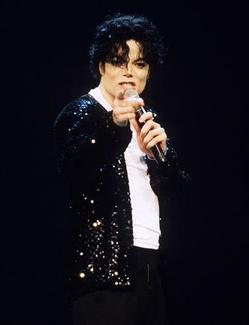 "I can’t stand the idea of putting music lovers in jail. Downloading copyrighted works is wrong, but the answer can’t be to imprison people. Here in America, we make a good opportunity out of every bad situation, but punitive laws like this don’t have that effect. It’s these fans who drive the music industry. I hope this truth isn’t overlooked."
You’ve surely heard and read the news about SOPA/PIPA—strict internet laws against downloading copyrighted works.
If passed, the Stop Online Piracy Act (SOPA) would block all websites that publish copyrighted content without permission. This law could carry a maximum penalty of up to 5 years in prison for the offender.
Another law is the PROTECT IP Act (PIPA), which especially focuses on controlling and limiting access for users who are outside the borders of the United States.
Widespread protests, threats, and the activities of anonymous internet hackers have caused many organizations and companies—including Sony, which is responsible for releasing Michael Jackson’s works—to step away from this law.
Wikipedia was blacked out for a day in protest and taken offline. Google also put a black label on its logo. Facebook is another giant that has protested this law. In response, internet hackers hacked and took offline important sites such as the U.S. Treasury Department, the French presidency, or companies supporting the law such as Universal.
These two laws are described as threats to freedom of speech, and users in the U.S. have called them internet censorship laws.
If Michael were alive, he might have issued a statement similar to the one from 2003 in these circumstances.
Imagine that as a result of passing this law, a fan who downloaded Michael Jackson’s songs for free—or posted them on a site for free downloads—would end up in prison for 5 years. But Michael’s involuntary killer has been sentenced to four years in prison under the law, and he might only serve half of that.
Although free downloads of movies and music have caused enormous damage to the entertainment industry in America, and preventing that damage seems logical, analysts and other people consider it a prelude to restricting and controlling free access to the internet by the U.S. government.
Source: eMJey.com / Wikipedia
"I can’t stand the idea of putting music lovers in jail. Downloading copyrighted works is wrong, but the answer can’t be to imprison people. Here in America, we make a good opportunity out of every bad situation, but punitive laws like this don’t have that effect. It’s these fans who drive the music industry. I hope this truth isn’t overlooked."
You’ve surely heard and read the news about SOPA/PIPA—strict internet laws against downloading copyrighted works.
If passed, the Stop Online Piracy Act (SOPA) would block all websites that publish copyrighted content without permission. This law could carry a maximum penalty of up to 5 years in prison for the offender.
Another law is the PROTECT IP Act (PIPA), which especially focuses on controlling and limiting access for users who are outside the borders of the United States.
Widespread protests, threats, and the activities of anonymous internet hackers have caused many organizations and companies—including Sony, which is responsible for releasing Michael Jackson’s works—to step away from this law.
Wikipedia was blacked out for a day in protest and taken offline. Google also put a black label on its logo. Facebook is another giant that has protested this law. In response, internet hackers hacked and took offline important sites such as the U.S. Treasury Department, the French presidency, or companies supporting the law such as Universal.
These two laws are described as threats to freedom of speech, and users in the U.S. have called them internet censorship laws.
If Michael were alive, he might have issued a statement similar to the one from 2003 in these circumstances.
Imagine that as a result of passing this law, a fan who downloaded Michael Jackson’s songs for free—or posted them on a site for free downloads—would end up in prison for 5 years. But Michael’s involuntary killer has been sentenced to four years in prison under the law, and he might only serve half of that.
Although free downloads of movies and music have caused enormous damage to the entertainment industry in America, and preventing that damage seems logical, analysts and other people consider it a prelude to restricting and controlling free access to the internet by the U.S. government.
Source: eMJey.com / Wikipedia
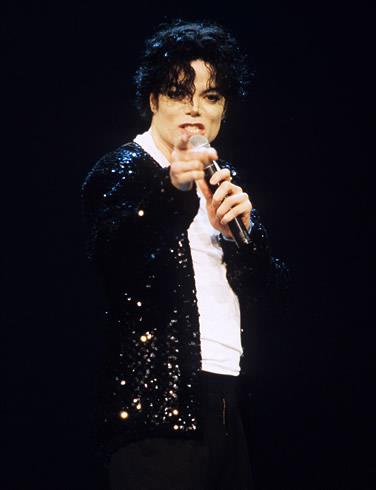 "I can’t stand the idea of putting music lovers in jail. Downloading copyrighted works is wrong, but the answer can’t be to imprison people. Here in America, we make a good opportunity out of every bad situation, but punitive laws like this don’t have that effect. It’s these fans who drive the music industry. I hope this truth isn’t overlooked."
You’ve surely heard and read the news about SOPA/PIPA—strict internet laws against downloading copyrighted works.
If passed, the Stop Online Piracy Act (SOPA) would block all websites that publish copyrighted content without permission. This law could carry a maximum penalty of up to 5 years in prison for the offender.
Another law is the PROTECT IP Act (PIPA), which especially focuses on controlling and limiting access for users who are outside the borders of the United States.
Widespread protests, threats, and the activities of anonymous internet hackers have caused many organizations and companies—including Sony, which is responsible for releasing Michael Jackson’s works—to step away from this law.
Wikipedia was blacked out for a day in protest and taken offline. Google also put a black label on its logo. Facebook is another giant that has protested this law. In response, internet hackers hacked and took offline important sites such as the U.S. Treasury Department, the French presidency, or companies supporting the law such as Universal.
These two laws are described as threats to freedom of speech, and users in the U.S. have called them internet censorship laws.
If Michael were alive, he might have issued a statement similar to the one from 2003 in these circumstances.
Imagine that as a result of passing this law, a fan who downloaded Michael Jackson’s songs for free—or posted them on a site for free downloads—would end up in prison for 5 years. But Michael’s involuntary killer has been sentenced to four years in prison under the law, and he might only serve half of that.
Although free downloads of movies and music have caused enormous damage to the entertainment industry in America, and preventing that damage seems logical, analysts and other people consider it a prelude to restricting and controlling free access to the internet by the U.S. government.
Source: eMJey.com / Wikipedia
"I can’t stand the idea of putting music lovers in jail. Downloading copyrighted works is wrong, but the answer can’t be to imprison people. Here in America, we make a good opportunity out of every bad situation, but punitive laws like this don’t have that effect. It’s these fans who drive the music industry. I hope this truth isn’t overlooked."
You’ve surely heard and read the news about SOPA/PIPA—strict internet laws against downloading copyrighted works.
If passed, the Stop Online Piracy Act (SOPA) would block all websites that publish copyrighted content without permission. This law could carry a maximum penalty of up to 5 years in prison for the offender.
Another law is the PROTECT IP Act (PIPA), which especially focuses on controlling and limiting access for users who are outside the borders of the United States.
Widespread protests, threats, and the activities of anonymous internet hackers have caused many organizations and companies—including Sony, which is responsible for releasing Michael Jackson’s works—to step away from this law.
Wikipedia was blacked out for a day in protest and taken offline. Google also put a black label on its logo. Facebook is another giant that has protested this law. In response, internet hackers hacked and took offline important sites such as the U.S. Treasury Department, the French presidency, or companies supporting the law such as Universal.
These two laws are described as threats to freedom of speech, and users in the U.S. have called them internet censorship laws.
If Michael were alive, he might have issued a statement similar to the one from 2003 in these circumstances.
Imagine that as a result of passing this law, a fan who downloaded Michael Jackson’s songs for free—or posted them on a site for free downloads—would end up in prison for 5 years. But Michael’s involuntary killer has been sentenced to four years in prison under the law, and he might only serve half of that.
Although free downloads of movies and music have caused enormous damage to the entertainment industry in America, and preventing that damage seems logical, analysts and other people consider it a prelude to restricting and controlling free access to the internet by the U.S. government.
Source: eMJey.com / Wikipedia