A Review of Man in the Music
A review of the book “Man in the Music” (Man In The Music) by Zack O'Malley Greenburg, Forbes magazine:
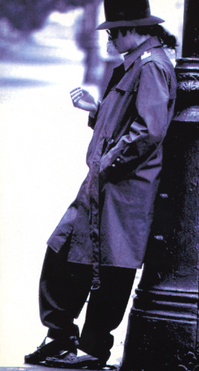 In this book, we hear stories from the producer Quincy Jones, the veteran sound engineer Bruce Swedien, and other collaborators such as Rod Temperton, Greg Phillinganes, Brad Buxer, and Bill Bottrell. These stories show with what effort Michael’s songs were created by him and his team—music made from sounds our ears had never heard before, especially in his later albums like HIStory (1995), which has received less appreciation than it deserves.
Vogel also reminds the reader of Jackson’s commercial ambitions. After his powerful solo album Off the Wall, he told his producers that he wanted his next album to become the best-selling in music history. They laughed at him. Then Jackson turned to Thriller, which immediately fulfilled his wish. After that, he said he wanted the next album to sell 100 million copies. Although Bad managed to sell 35 million copies, Thriller’s sales went beyond 110 million.
Jackson’s highly publicized trial and other troubles are mentioned in the book, but it’s clear the book isn’t focused on events of that kind. Joe Vogel says these incidents cast Michael’s name so far into the shadow that his later works were never properly understood or judged.
This book is definitely worth reading. Don’t be surprised if, somewhere along the way, it makes you put the book down and go listen to the song “Stranger in Moscow,” while you gain a fresh perspective on the King of Pop.
Source: eMJey.com / Forbes
In this book, we hear stories from the producer Quincy Jones, the veteran sound engineer Bruce Swedien, and other collaborators such as Rod Temperton, Greg Phillinganes, Brad Buxer, and Bill Bottrell. These stories show with what effort Michael’s songs were created by him and his team—music made from sounds our ears had never heard before, especially in his later albums like HIStory (1995), which has received less appreciation than it deserves.
Vogel also reminds the reader of Jackson’s commercial ambitions. After his powerful solo album Off the Wall, he told his producers that he wanted his next album to become the best-selling in music history. They laughed at him. Then Jackson turned to Thriller, which immediately fulfilled his wish. After that, he said he wanted the next album to sell 100 million copies. Although Bad managed to sell 35 million copies, Thriller’s sales went beyond 110 million.
Jackson’s highly publicized trial and other troubles are mentioned in the book, but it’s clear the book isn’t focused on events of that kind. Joe Vogel says these incidents cast Michael’s name so far into the shadow that his later works were never properly understood or judged.
This book is definitely worth reading. Don’t be surprised if, somewhere along the way, it makes you put the book down and go listen to the song “Stranger in Moscow,” while you gain a fresh perspective on the King of Pop.
Source: eMJey.com / Forbes
*****************************************************
It’s rare that I write an article about a book, but sometimes I read books that are connected to the everyday topics I cover in my column.
One of these books is the standout work by Joe Vogel, Man In The Music (Sterling Publishing, 2011), which examines the life and works of Michael Jackson. The King of Pop is, of course, a familiar subject for me. The day he died, I began writing about him, and before long I became captivated by his commercial genius—something that has been given far less credit than it deserves. This genius is confirmed by the financial successes of his foundation, which came after his death. All those smart contracts that the foundation has signed in recent years—and which I have written about extensively in Forbes.
Since his death, Jackson has earned half a billion dollars, which is more than any of our other deceased celebrities. In 2010, he earned more than any other living or deceased artist, and in 2011 he was only surpassed by the band U2. This year, too, given the success of the Immortal Tour—a partnership between the Jackson Foundation and Cirque du Soleil—it became the best-selling tour in the country in December, so we should expect another nine-figure income.
But Man in the Music takes the reader along with Jackson into the studio and sheds a bit of light on his mysterious, misunderstood figure. Although the book’s main effort focuses on music and breaks it down song by song, a deep understanding of Jackson’s music provides a better understanding of his commercial success.
For example, by reading the book we learn that Jackson was incredibly efficient in the studio. He would walk into the studio with a bag full of songs ready for recording—and that is every producer’s dream.
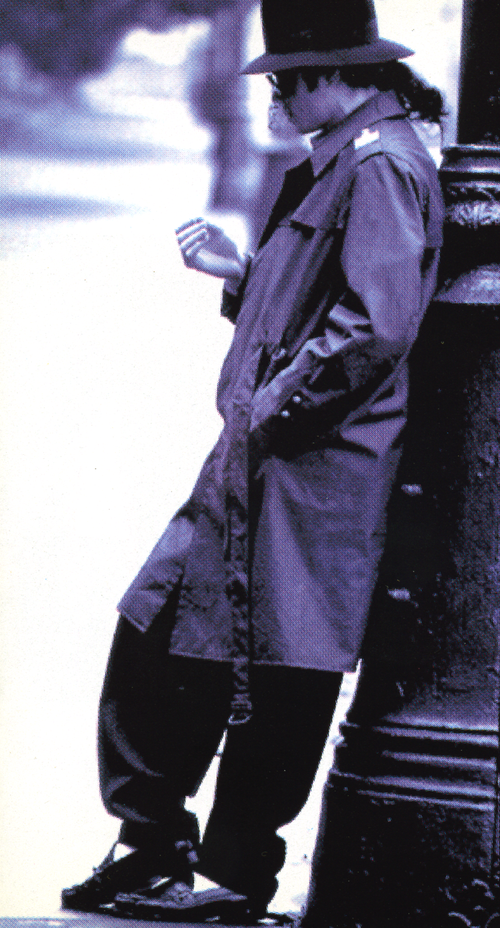 In this book, we hear stories from the producer Quincy Jones, the veteran sound engineer Bruce Swedien, and other collaborators such as Rod Temperton, Greg Phillinganes, Brad Buxer, and Bill Bottrell. These stories show with what effort Michael’s songs were created by him and his team—music made from sounds our ears had never heard before, especially in his later albums like HIStory (1995), which has received less appreciation than it deserves.
Vogel also reminds the reader of Jackson’s commercial ambitions. After his powerful solo album Off the Wall, he told his producers that he wanted his next album to become the best-selling in music history. They laughed at him. Then Jackson turned to Thriller, which immediately fulfilled his wish. After that, he said he wanted the next album to sell 100 million copies. Although Bad managed to sell 35 million copies, Thriller’s sales went beyond 110 million.
Jackson’s highly publicized trial and other troubles are mentioned in the book, but it’s clear the book isn’t focused on events of that kind. Joe Vogel says these incidents cast Michael’s name so far into the shadow that his later works were never properly understood or judged.
This book is definitely worth reading. Don’t be surprised if, somewhere along the way, it makes you put the book down and go listen to the song “Stranger in Moscow,” while you gain a fresh perspective on the King of Pop.
Source: eMJey.com / Forbes
In this book, we hear stories from the producer Quincy Jones, the veteran sound engineer Bruce Swedien, and other collaborators such as Rod Temperton, Greg Phillinganes, Brad Buxer, and Bill Bottrell. These stories show with what effort Michael’s songs were created by him and his team—music made from sounds our ears had never heard before, especially in his later albums like HIStory (1995), which has received less appreciation than it deserves.
Vogel also reminds the reader of Jackson’s commercial ambitions. After his powerful solo album Off the Wall, he told his producers that he wanted his next album to become the best-selling in music history. They laughed at him. Then Jackson turned to Thriller, which immediately fulfilled his wish. After that, he said he wanted the next album to sell 100 million copies. Although Bad managed to sell 35 million copies, Thriller’s sales went beyond 110 million.
Jackson’s highly publicized trial and other troubles are mentioned in the book, but it’s clear the book isn’t focused on events of that kind. Joe Vogel says these incidents cast Michael’s name so far into the shadow that his later works were never properly understood or judged.
This book is definitely worth reading. Don’t be surprised if, somewhere along the way, it makes you put the book down and go listen to the song “Stranger in Moscow,” while you gain a fresh perspective on the King of Pop.
Source: eMJey.com / Forbes