Michael Jackson’s Earth Song: A Lament for the Earth
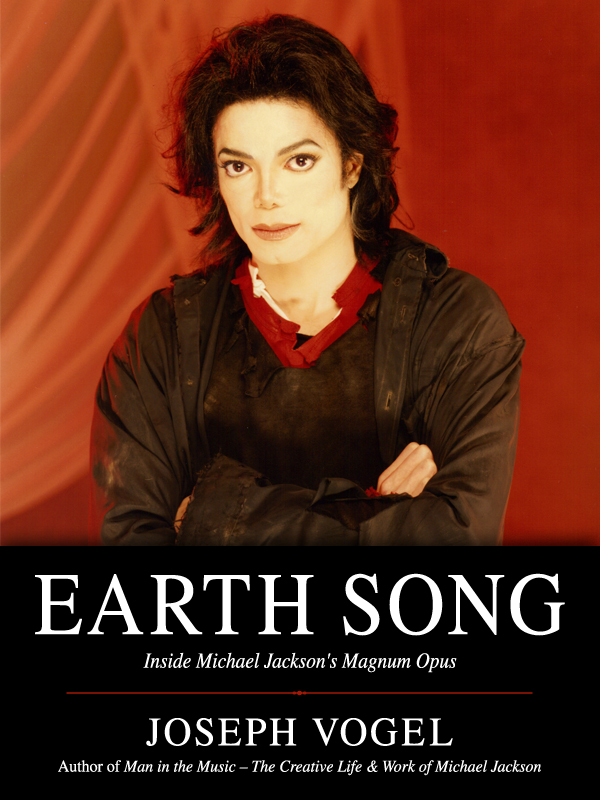
Joseph Vogel believes that Michael Jackson’s “Earth Song” is “the most meaningful hymn of our era,” and he has written a 50-page book about it. The book is titled: Earth Song: Inside Michael Jackson’s Magnum Opus (Earth Song: A Look at Michael Jackson’s Masterpiece)
The book’s digital version is available for sale on Amazon.
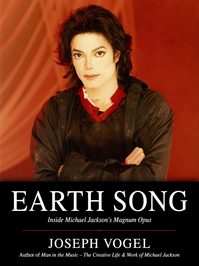 Vogel previously wrote the book “Man in the Music: The Creative Life and Work of Michael Jackson.”
But what does he say about this song?
We invite you to read a few lines from this fascinating book:
Vogel previously wrote the book “Man in the Music: The Creative Life and Work of Michael Jackson.”
But what does he say about this song?
We invite you to read a few lines from this fascinating book: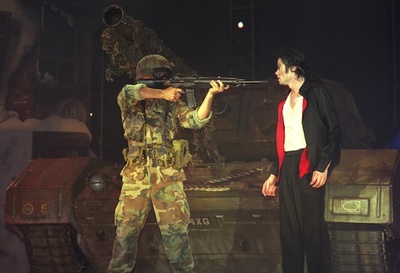 Michael was walking quickly inside his hotel room.
He was in the middle of performing the second part of the Bad world tour. 123 exhausting shows that lasted two years. That tour then became the most profitable and most attended era.
Just days earlier, in Rome at the Stadio Flaminio, he had performed in front of 30,000 spectators who had completely lost their minds and taken over the entire space of the venue.
During his downtime, together with the producer Quincy Jones and the legendary musician Leonard Bernstein, he visited the small Sistine Chapel and St. Peter’s Basilica in Vatican City. They then went to Florence, where Michael stood beneath Michelangelo’s masterpiece, the statue of David—and its grandeur captivated his eyes.
Now he was in Vienna, Austria. The capital of Western music—where Mozart wrote his masterpiece, Symphony No. 5, and his unforgettable Requiem. Where Beethoven learned music under Haydn’s hands and played his first symphony of his life.
And here, at the (hotel) Vienna Marriott, on June 1, 1988, Michael Jackson’s masterpiece “Earth Song” was born.
This 6-and-a-half-minute piece, which took seven years to work on, was unlike anything that had ever been heard in pop music. Social and protest anthems were always known as the legacy of rock music. But not like this. Earth Song was an epic, emotional, and foundational piece. It had deep roots and broad insight. It was a lament drawn from the books of Job and Jeremiah, and a Johannine mission that brought to mind the works of Blake, Yeats, and Eliot.
The manifestation of Guernica—Picasso’s masterpiece of protest—in music.
In a section of the song that cries out the devastation and pain, a voice can be heard… tears, wailing, rebellion… (What about us?—So what about us?)
Earth Song was on its way to becoming the greatest environmental anthem in history. In more than 15 countries around the world, it ruled the music charts and sold more than 5 million copies. Yet critics didn’t know how to deal with it. Its music was a fusion of opera, rock, church hymns, and blues. Something different from any song you’d hear on the radio. It challenged every expectation you might have of a traditional hymn. Instead of a nationalist theme, it brought forth a world without borders and hierarchies. Instead of speaking about religious beliefs and human attitudes, it talked about expanding people’s awareness of environmental balance and harmony. Instead of a simplistic propaganda for starting a protest movement, it was an authentic and artistic statement. Instead of a loud sing-along that would become fodder for T-shirts and advertising billboards, it was a worldwide cry—without words.
Jackson remembered the exact moment when the melody of this song formed in his mind.
The second night of his stay in Vienna. Outside the hotel, after Ringstrasse Boulevard and the vast Stadtpark, he could see grand, illuminated museums, churches, and theaters. The windows of his room opened onto an extraordinary view of the outside world, yet his mind and feelings were occupied with something else. He was certainly lonely—but it wasn’t only that. Something beyond it had taken hold of him: a feeling mixed with despair about the current state of the world.
Perhaps the most obvious trait of famous people is self-absorption. In 1988, Jackson certainly had good reasons to be self-centered and arrogant. He was the most famous human being on Earth. Wherever he traveled, he stirred up chaos among people. One day after his concert at Vienna Stadium, where every ticket had been sold, Associated Press ran a headline like this: “130 fans fainted at Jackson’s concert.”
If the Beatles were more beloved than Jesus, as John Lennon once claimed, then Michael was the holy trinity.*
Michael was walking quickly inside his hotel room.
He was in the middle of performing the second part of the Bad world tour. 123 exhausting shows that lasted two years. That tour then became the most profitable and most attended era.
Just days earlier, in Rome at the Stadio Flaminio, he had performed in front of 30,000 spectators who had completely lost their minds and taken over the entire space of the venue.
During his downtime, together with the producer Quincy Jones and the legendary musician Leonard Bernstein, he visited the small Sistine Chapel and St. Peter’s Basilica in Vatican City. They then went to Florence, where Michael stood beneath Michelangelo’s masterpiece, the statue of David—and its grandeur captivated his eyes.
Now he was in Vienna, Austria. The capital of Western music—where Mozart wrote his masterpiece, Symphony No. 5, and his unforgettable Requiem. Where Beethoven learned music under Haydn’s hands and played his first symphony of his life.
And here, at the (hotel) Vienna Marriott, on June 1, 1988, Michael Jackson’s masterpiece “Earth Song” was born.
This 6-and-a-half-minute piece, which took seven years to work on, was unlike anything that had ever been heard in pop music. Social and protest anthems were always known as the legacy of rock music. But not like this. Earth Song was an epic, emotional, and foundational piece. It had deep roots and broad insight. It was a lament drawn from the books of Job and Jeremiah, and a Johannine mission that brought to mind the works of Blake, Yeats, and Eliot.
The manifestation of Guernica—Picasso’s masterpiece of protest—in music.
In a section of the song that cries out the devastation and pain, a voice can be heard… tears, wailing, rebellion… (What about us?—So what about us?)
Earth Song was on its way to becoming the greatest environmental anthem in history. In more than 15 countries around the world, it ruled the music charts and sold more than 5 million copies. Yet critics didn’t know how to deal with it. Its music was a fusion of opera, rock, church hymns, and blues. Something different from any song you’d hear on the radio. It challenged every expectation you might have of a traditional hymn. Instead of a nationalist theme, it brought forth a world without borders and hierarchies. Instead of speaking about religious beliefs and human attitudes, it talked about expanding people’s awareness of environmental balance and harmony. Instead of a simplistic propaganda for starting a protest movement, it was an authentic and artistic statement. Instead of a loud sing-along that would become fodder for T-shirts and advertising billboards, it was a worldwide cry—without words.
Jackson remembered the exact moment when the melody of this song formed in his mind.
The second night of his stay in Vienna. Outside the hotel, after Ringstrasse Boulevard and the vast Stadtpark, he could see grand, illuminated museums, churches, and theaters. The windows of his room opened onto an extraordinary view of the outside world, yet his mind and feelings were occupied with something else. He was certainly lonely—but it wasn’t only that. Something beyond it had taken hold of him: a feeling mixed with despair about the current state of the world.
Perhaps the most obvious trait of famous people is self-absorption. In 1988, Jackson certainly had good reasons to be self-centered and arrogant. He was the most famous human being on Earth. Wherever he traveled, he stirred up chaos among people. One day after his concert at Vienna Stadium, where every ticket had been sold, Associated Press ran a headline like this: “130 fans fainted at Jackson’s concert.”
If the Beatles were more beloved than Jesus, as John Lennon once claimed, then Michael was the holy trinity.*
 Vogel previously wrote the book “Man in the Music: The Creative Life and Work of Michael Jackson.”
But what does he say about this song?
We invite you to read a few lines from this fascinating book:
Vogel previously wrote the book “Man in the Music: The Creative Life and Work of Michael Jackson.”
But what does he say about this song?
We invite you to read a few lines from this fascinating book:====================================================
Before the unsettling truth of Al Gore*, before Avatar*, and Wall-E*, before environmental concerns became the talk of the town, Michael Jackson’s Earth Song was the most unusual and bold protest song in the history of popular music. A global hit that topped the charts in more than 15 countries, yet it was never released in the United States.
16 years later, the number of admirers of this song continues to grow. This song—an anguished plea from the voice of the Earth and its inhabitants, especially those who are most exposed to harm—remains as meaningful and important today as it was then.
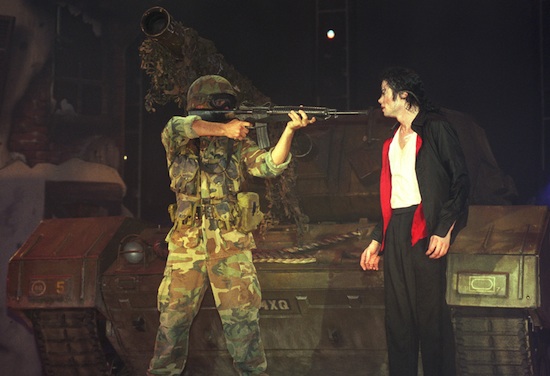
Earth Song was especially important to Jackson, who rightly considered it one of his best works. He had planned for this song to be the peak moment of the ill-fated This Is It concerts in London. Earth Song was the last song he rehearsed on stage before his death.
The following text is part of the 50-page book that traces the evolutionary journey of the song Earth Song—from its beginnings in Michael’s mind in the city of Vienna to its live performance in Munich.
====================================================
 Michael was walking quickly inside his hotel room.
He was in the middle of performing the second part of the Bad world tour. 123 exhausting shows that lasted two years. That tour then became the most profitable and most attended era.
Just days earlier, in Rome at the Stadio Flaminio, he had performed in front of 30,000 spectators who had completely lost their minds and taken over the entire space of the venue.
During his downtime, together with the producer Quincy Jones and the legendary musician Leonard Bernstein, he visited the small Sistine Chapel and St. Peter’s Basilica in Vatican City. They then went to Florence, where Michael stood beneath Michelangelo’s masterpiece, the statue of David—and its grandeur captivated his eyes.
Now he was in Vienna, Austria. The capital of Western music—where Mozart wrote his masterpiece, Symphony No. 5, and his unforgettable Requiem. Where Beethoven learned music under Haydn’s hands and played his first symphony of his life.
And here, at the (hotel) Vienna Marriott, on June 1, 1988, Michael Jackson’s masterpiece “Earth Song” was born.
This 6-and-a-half-minute piece, which took seven years to work on, was unlike anything that had ever been heard in pop music. Social and protest anthems were always known as the legacy of rock music. But not like this. Earth Song was an epic, emotional, and foundational piece. It had deep roots and broad insight. It was a lament drawn from the books of Job and Jeremiah, and a Johannine mission that brought to mind the works of Blake, Yeats, and Eliot.
The manifestation of Guernica—Picasso’s masterpiece of protest—in music.
In a section of the song that cries out the devastation and pain, a voice can be heard… tears, wailing, rebellion… (What about us?—So what about us?)
Earth Song was on its way to becoming the greatest environmental anthem in history. In more than 15 countries around the world, it ruled the music charts and sold more than 5 million copies. Yet critics didn’t know how to deal with it. Its music was a fusion of opera, rock, church hymns, and blues. Something different from any song you’d hear on the radio. It challenged every expectation you might have of a traditional hymn. Instead of a nationalist theme, it brought forth a world without borders and hierarchies. Instead of speaking about religious beliefs and human attitudes, it talked about expanding people’s awareness of environmental balance and harmony. Instead of a simplistic propaganda for starting a protest movement, it was an authentic and artistic statement. Instead of a loud sing-along that would become fodder for T-shirts and advertising billboards, it was a worldwide cry—without words.
Jackson remembered the exact moment when the melody of this song formed in his mind.
The second night of his stay in Vienna. Outside the hotel, after Ringstrasse Boulevard and the vast Stadtpark, he could see grand, illuminated museums, churches, and theaters. The windows of his room opened onto an extraordinary view of the outside world, yet his mind and feelings were occupied with something else. He was certainly lonely—but it wasn’t only that. Something beyond it had taken hold of him: a feeling mixed with despair about the current state of the world.
Perhaps the most obvious trait of famous people is self-absorption. In 1988, Jackson certainly had good reasons to be self-centered and arrogant. He was the most famous human being on Earth. Wherever he traveled, he stirred up chaos among people. One day after his concert at Vienna Stadium, where every ticket had been sold, Associated Press ran a headline like this: “130 fans fainted at Jackson’s concert.”
If the Beatles were more beloved than Jesus, as John Lennon once claimed, then Michael was the holy trinity.*
Michael was walking quickly inside his hotel room.
He was in the middle of performing the second part of the Bad world tour. 123 exhausting shows that lasted two years. That tour then became the most profitable and most attended era.
Just days earlier, in Rome at the Stadio Flaminio, he had performed in front of 30,000 spectators who had completely lost their minds and taken over the entire space of the venue.
During his downtime, together with the producer Quincy Jones and the legendary musician Leonard Bernstein, he visited the small Sistine Chapel and St. Peter’s Basilica in Vatican City. They then went to Florence, where Michael stood beneath Michelangelo’s masterpiece, the statue of David—and its grandeur captivated his eyes.
Now he was in Vienna, Austria. The capital of Western music—where Mozart wrote his masterpiece, Symphony No. 5, and his unforgettable Requiem. Where Beethoven learned music under Haydn’s hands and played his first symphony of his life.
And here, at the (hotel) Vienna Marriott, on June 1, 1988, Michael Jackson’s masterpiece “Earth Song” was born.
This 6-and-a-half-minute piece, which took seven years to work on, was unlike anything that had ever been heard in pop music. Social and protest anthems were always known as the legacy of rock music. But not like this. Earth Song was an epic, emotional, and foundational piece. It had deep roots and broad insight. It was a lament drawn from the books of Job and Jeremiah, and a Johannine mission that brought to mind the works of Blake, Yeats, and Eliot.
The manifestation of Guernica—Picasso’s masterpiece of protest—in music.
In a section of the song that cries out the devastation and pain, a voice can be heard… tears, wailing, rebellion… (What about us?—So what about us?)
Earth Song was on its way to becoming the greatest environmental anthem in history. In more than 15 countries around the world, it ruled the music charts and sold more than 5 million copies. Yet critics didn’t know how to deal with it. Its music was a fusion of opera, rock, church hymns, and blues. Something different from any song you’d hear on the radio. It challenged every expectation you might have of a traditional hymn. Instead of a nationalist theme, it brought forth a world without borders and hierarchies. Instead of speaking about religious beliefs and human attitudes, it talked about expanding people’s awareness of environmental balance and harmony. Instead of a simplistic propaganda for starting a protest movement, it was an authentic and artistic statement. Instead of a loud sing-along that would become fodder for T-shirts and advertising billboards, it was a worldwide cry—without words.
Jackson remembered the exact moment when the melody of this song formed in his mind.
The second night of his stay in Vienna. Outside the hotel, after Ringstrasse Boulevard and the vast Stadtpark, he could see grand, illuminated museums, churches, and theaters. The windows of his room opened onto an extraordinary view of the outside world, yet his mind and feelings were occupied with something else. He was certainly lonely—but it wasn’t only that. Something beyond it had taken hold of him: a feeling mixed with despair about the current state of the world.
Perhaps the most obvious trait of famous people is self-absorption. In 1988, Jackson certainly had good reasons to be self-centered and arrogant. He was the most famous human being on Earth. Wherever he traveled, he stirred up chaos among people. One day after his concert at Vienna Stadium, where every ticket had been sold, Associated Press ran a headline like this: “130 fans fainted at Jackson’s concert.”
If the Beatles were more beloved than Jesus, as John Lennon once claimed, then Michael was the holy trinity.*
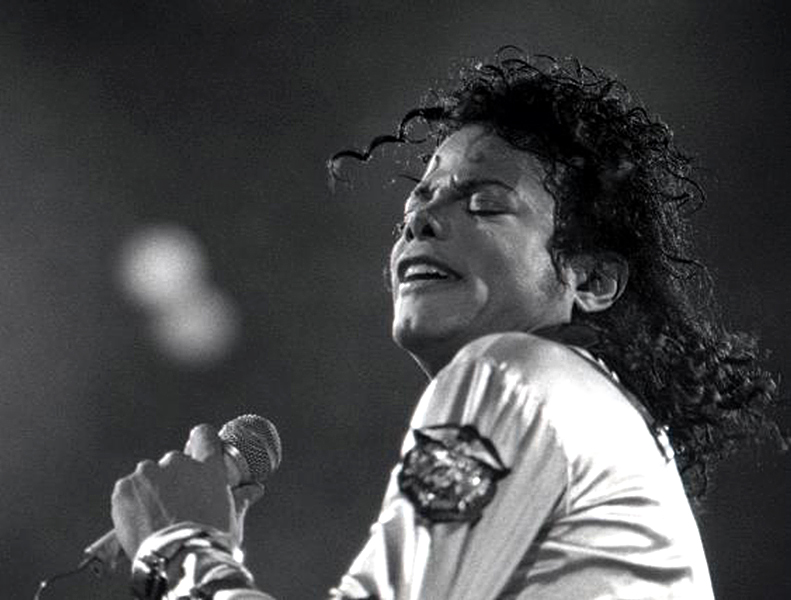
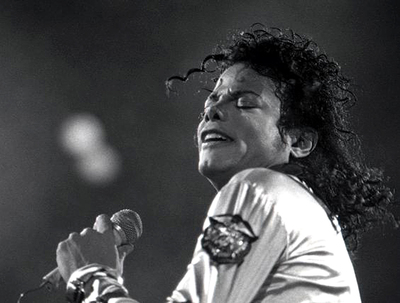
Michael Jackson - Performance from the Bad Tour - June 2, 1988 - Vienna, Austria — One day after the creation of Earth Song.
But even so, although he loved fame, he felt a heavy responsibility to use his name for a purpose beyond fame and wealth. (His Guinness World Records book in 2000 introduced him as the most charitable pop star of all time.)
He says: “If you’ve seen the things I’ve seen and traveled to all the places I’ve traveled, ignoring the issues would not be an honest way.”
In every city that hosted the Bad tour, he visited orphanages and hospitals.
A few days before Vienna, while he was in Rome, he visited the Bambino Gesù Children’s Hospital, spent his time giving gifts, taking photos, and signing autographs—and before leaving the hospital, he donated more than $100,000 to it.
When he was performing or helping children, a sense of power and joy surged through him. But when he returned to the hotel, anxiety, sadness, and despair would wash over him.
Throughout his life, Jackson was sensitive to suffering and injustice. But in recent years, his sense of duty had grown.
His simple, unpretentious behavior wasn’t something his naturally curious and sponge-like mind would have demanded. He wasn’t a politician (no doubt he preferred the realm of art over politics), but he wasn’t indifferent to the world around him either. He read many books, watched many films, talked with experts, and studied topics with enthusiasm. He had truly devoted himself to understanding this world and creating change in it.
In 1988, he had concerns. Global warming and drought, widespread forest fires, earthquakes, genocide, and famine. Chaos and violence had erupted in the Holy Land, and the Amazon was being plundered. Oil and sewage were being dumped into the seas. Time magazine had given its editorial spotlight to the endangered Earth instead of Person of the Year, and many people had only recently realized that they were walking down the path of destroying their own homes.
Most people follow the news by accident, without actively pursuing it. They become numb and indifferent to the terrible events they see on television. But those images often made Jackson cry. He internalized those events and felt the pain in his own body. When others told him to enjoy only his wealth and fortune, it made him angry. He deeply believed John Donne’s* saying that “no man is an island.” For Jackson, that statement expanded into every dimension of life. The entire planet was connected to one another—and it was valuable in itself.
He says: “Most people see problems as outside the circle of their own lives. But I don’t feel that way. They aren’t outside problems. I feel them inside me. A crying child in Ethiopia, a sea gull soaked in oil, a teenage soldier who trembles with fear when he hears the sound of airplanes flying overhead. When I see and hear things like that, aren’t they flowing inside me?”*
At one point during a rehearsal session, he stopped dancing because seeing an image of a dolphin trapped in a hunting tour wounded his feelings.
“From the way his body twisted in the hunting tour, you could tell he was enduring a lot of pain. His eyes were empty, but he still had a smile on his lips—the same smile dolphins never lose. I was rehearsing dance when I thought to myself, they’re pulling the dance out of them.”*
When Jackson danced, he could feel those wild emotions inside him. His dancing and singing were an expression of the pain and suffering he felt. It was liberating. For a short time, he could guide his audience into a world of ecstasy and harmony. But inevitably, he was thrown back into the real world—full of fear and alienation.
While Jackson stood in his hotel room, a great deal of suffering and despair flared up inside him. And then, something fell upon him: Earth Song—an anthem spoken from the voice of the Earth, from his perspective, with his voice. A lament, a plea.
At first, the song’s collective voice reached him. A wordless cry. He picked up his tape recorder and pressed the record button:
Aa aa aaaaah oo oooooooh.
This simple but powerful piece.
Jackson thought to himself that he had found what he wanted. Then he wrote the introduction and part of the verses. He shaped the final outline. He was sure it would be the greatest work he would ever write.
--------------------------------------------------
* Al Gore - An Inconvenient Truth - a 2006 documentary film based on Al Gore’s efforts and campaign to inform citizens about global warming and environmental destruction.
* Avatar - a film by James Cameron
* Wall-E - an animated film
*Holy Trinity or Trinity - one of the core Christian beliefs that God is a union of God the Father, God the Son (Jesus Christ), and God the Holy Spirit.
* John Donne - a 16th-century English poet and preacher
*From the book Dancing The Dream by Michael Jackson
--------------------------------------------------
Source: eMJey.com / joevogel.net / huffingtonpost.com / wikipedia